




What's Happening?
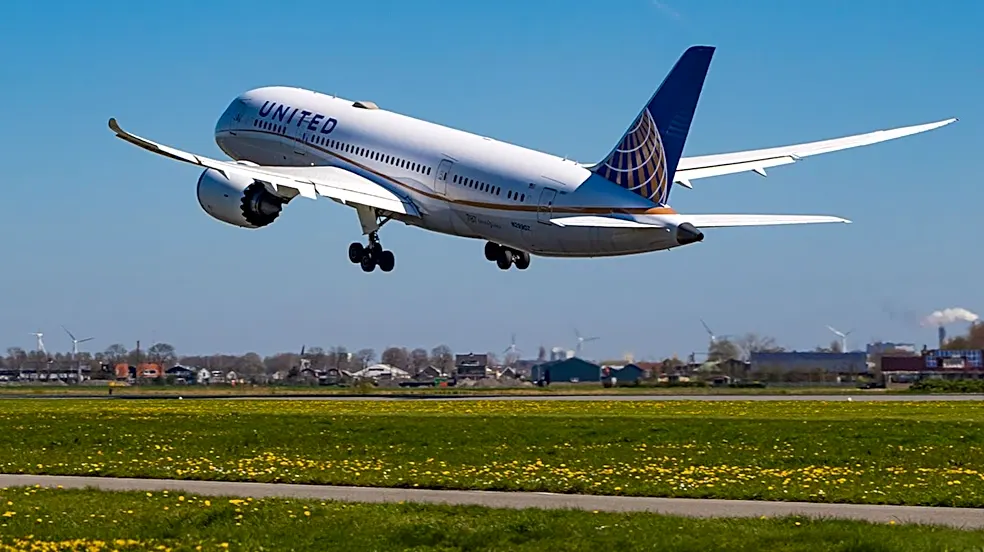
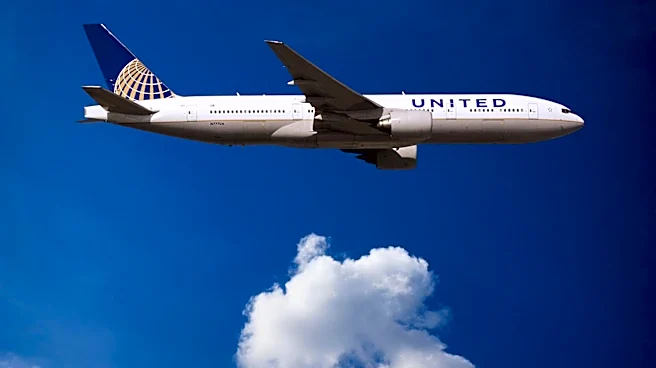
Four United Airlines flight attendants sustained injuries on a flight from Honolulu to Los Angeles on Wednesday night after the aircraft encountered severe turbulence during its descent. United Airlines Flight 1157, a Boeing 777 carrying 190 passengers
and 10 crew members, departed from Honolulu’s Daniel K. Inouye International Airport and landed safely around 9 p.m. The plane reportedly dropped approximately 3,675 feet in one minute during the final 20 minutes of the flight. Medical personnel attended to all four injured flight attendants, with one requiring hospitalization for further treatment. Passengers described a sudden, terrifying drop that caused people to scream and lifted them from their seats. One passenger reported hearing a bang during the incident. The aircraft remained on the tarmac for at least 30 minutes after landing, with the injured flight attendants remaining onboard.
Why It's Important?
This incident highlights the persistent risk of severe turbulence in air travel, even for modern aircraft. While no passengers were injured in this specific event, the hospitalization of a flight attendant underscores the potential for serious harm to crew members who are often active during descent and ascent. Such occurrences can lead to increased operational costs for airlines due to medical care, potential flight delays, and investigations. For the aviation industry, it reinforces the need for continued research into turbulence prediction and mitigation strategies, as well as robust safety protocols for cabin crew. Public perception of air travel safety can also be impacted by such events, potentially influencing passenger confidence and travel patterns, though isolated incidents typically have limited long-term effects. The event also brings attention to the physical demands and risks faced by flight attendants in their role.
What's Next?
United Airlines will likely conduct an internal investigation into the turbulence incident to understand its causes and review existing safety procedures. Aviation authorities may also initiate an inquiry to determine if any regulatory actions or recommendations are necessary. The hospitalized flight attendant will receive ongoing medical care, and the airline will assess the well-being of the other injured crew members. Passengers may experience lingering anxiety about air travel, though the airline will likely emphasize its commitment to safety. In the broader aviation context, this event could contribute to ongoing discussions within the industry about enhancing turbulence forecasting technologies and improving cabin safety measures, particularly for crew members who are more exposed to sudden movements during flight.
Beyond the Headlines
Beyond the immediate physical injuries, incidents of severe turbulence can have psychological impacts on both crew and passengers, potentially leading to post-traumatic stress or increased anxiety about flying. For flight attendants, who are often responsible for passenger safety during such events, the experience can be particularly stressful. This incident also subtly underscores the often-unseen dangers faced by airline personnel, whose roles extend beyond customer service to critical safety functions. The event serves as a reminder of the dynamic and sometimes unpredictable nature of atmospheric conditions, even with advanced weather forecasting. It also prompts a broader consideration of how airlines prepare their staff for such emergencies and the adequacy of current safety equipment and training for cabin crew in turbulent conditions.