







What's Happening?
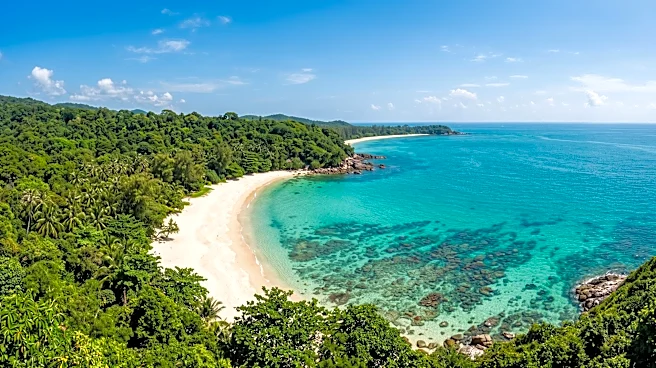
The Pacific Asia Travel Association (PATA) and the Sanya Tourism Board (STB) are co-hosting the 2026 Coastal Tourism Destination Exchange Event in Sanya, Hainan, China, from November 18 to 20. This event, themed 'Sustainable Development of Coastal Tourism Destinations,'
marks the third consecutive year of collaboration between the two organizations. It will gather representatives from tourism authorities, international tourism organizations, destination management bodies, and industry stakeholders from 16 countries and regions. The event aims to facilitate knowledge exchange and explore sustainable development approaches for coastal destinations. Key discussions will cover ecosystem conservation, cultural heritage preservation, visitor management, sustainable tourism operations, and innovation in destination development. A significant outcome will be the launch of the Coastal Tourism Destination Alliance Initiative, which will lay the groundwork for future international cooperation and knowledge exchange among coastal destinations. The program includes thematic site visits focusing on nature-based, cultural, urban, and resort destinations, allowing participants to gain practical experience and insights.
Why It's Important?
While the event is held in China, the discussions and initiatives around sustainable tourism development have broader implications for the global tourism industry, including U.S. stakeholders. The challenges faced by coastal destinations, such as protecting marine ecosystems, preserving local cultures, and ensuring long-term community benefits from tourism, are universal. U.S. tourism businesses and destinations, particularly those in coastal regions, can benefit from the shared experiences and best practices emerging from this international dialogue. The focus on community-led tourism, indigenous cultural heritage, and conservation-led resort models could influence future sustainable tourism strategies and investments in the U.S. Furthermore, the establishment of the Coastal Tourism Destination Alliance could create a framework for international cooperation that U.S. organizations might eventually join or learn from, fostering a more resilient and environmentally conscious global tourism sector. The event's emphasis on balancing tourism development with environmental protection and cultural preservation aligns with growing consumer demand for responsible travel, potentially shaping future market trends that U.S. companies will need to adapt to.
What's Next?
The event will feature the signing of three memoranda of understanding between STB and PATA, the Global Sustainable Tourism Council (GSTC), and Atlantis Sanya. These agreements are expected to establish a foundation for cooperation in areas such as international sustainable tourism standards, industry exchange, and connections with overseas source markets. Following the formal program, B2B meetings will connect international travel trade delegates with Sanya's tourism businesses, fostering potential partnerships and investment opportunities. A delegate sharing and networking session will allow participants to reflect on their experiences and explore future cooperation. The Coastal Tourism Destination Alliance (Preparatory Phase) will begin to lay the groundwork for the Alliance's future development, aiming to advance international cooperation and knowledge exchange among coastal destinations. The insights and frameworks developed during this event could serve as models for other regions globally, including the U.S., as they navigate the complexities of sustainable tourism.
Beyond the Headlines
The collaboration between PATA and Sanya highlights a growing global recognition of the need for sustainable tourism practices, moving beyond mere economic gain to encompass environmental and cultural stewardship. The emphasis on community involvement and the preservation of living heritage underscores a shift towards more ethical and culturally sensitive tourism models. This approach acknowledges that the long-term viability of tourism depends on respecting and integrating local communities and their traditions. For the U.S., this trend could mean increased pressure on tourism operators and policymakers to adopt similar sustainable practices, potentially leading to new regulations, certifications, and investment in eco-tourism and cultural heritage tourism. The event also reflects the increasing interconnectedness of the global tourism industry, where best practices and challenges in one region can quickly inform strategies in another, fostering a collective effort towards a more responsible and resilient future for travel.