






What's Happening?
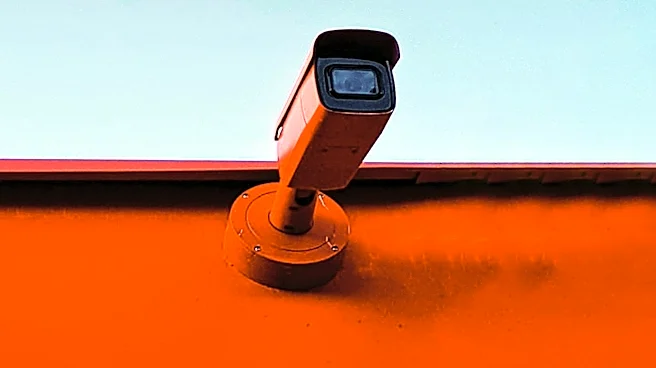
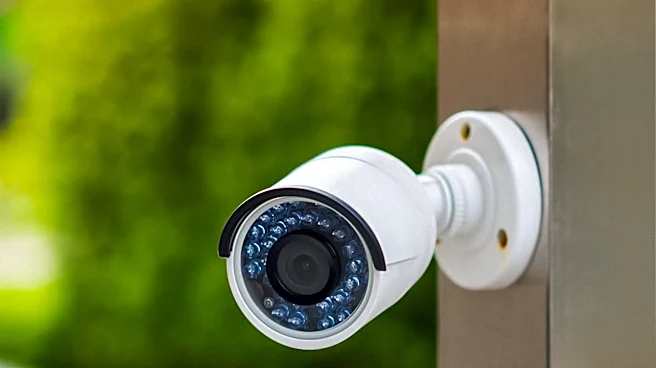
Privacy advocates associated with the DeFlock movement have developed a crowdsourced map designed to help individuals avoid automated license plate readers, including thousands of cameras manufactured by Atlanta-based Flock Safety. The DeFlock app was
recently put to the test to determine its effectiveness in routing users around these surveillance cameras. The test, documented by AJC, revealed that successfully avoiding the cameras using the app was more challenging than anticipated. This initiative highlights growing concerns among privacy advocates regarding the widespread deployment of surveillance technology and its implications for individual privacy. The DeFlock movement aims to empower citizens with tools to navigate and potentially circumvent the expanding network of surveillance cameras.
Why It's Important?
The proliferation of automated license plate readers, such as those from Flock Safety, raises significant privacy concerns for U.S. citizens. While proponents argue these cameras enhance public safety and aid law enforcement, critics contend they contribute to a pervasive surveillance state, tracking the movements of individuals without their consent or knowledge. The DeFlock app and similar initiatives represent a citizen-led response to this expanding surveillance infrastructure, attempting to reclaim a degree of privacy in an increasingly monitored environment. The effectiveness, or lack thereof, of such tools could influence public discourse on surveillance policy, potentially leading to calls for stricter regulations on data collection and usage by private companies and law enforcement agencies. This development underscores the ongoing tension between security measures and individual liberties in the digital age.
What's Next?
The ongoing development and testing of tools like the DeFlock app are likely to continue, as privacy advocates seek more effective ways to counter widespread surveillance. This could lead to further innovation in anti-surveillance technologies and strategies. Concurrently, the debate surrounding the balance between public safety and individual privacy is expected to intensify, potentially prompting legislative action at state and federal levels to regulate the use of automated license plate readers and other surveillance technologies. Law enforcement agencies and companies like Flock Safety may also face increased scrutiny and pressure to address privacy concerns, possibly leading to changes in their operational practices or the implementation of new safeguards. The public's awareness and engagement with these issues are also likely to grow, influencing future policy decisions.
Beyond the Headlines
The emergence of tools like DeFlock points to a deeper societal shift in how individuals perceive and react to pervasive surveillance. Beyond the immediate technical challenge of avoiding cameras, this movement reflects a growing unease with the erosion of anonymity and the potential for data misuse. The crowdsourced nature of DeFlock also highlights the power of collective action in addressing technological challenges that impact civil liberties. This trend could foster a broader cultural conversation about the ethical implications of advanced surveillance technologies, prompting discussions on data ownership, algorithmic bias, and the potential for these systems to disproportionately affect certain communities. The long-term implications could include a re-evaluation of the social contract between citizens and the state regarding privacy in public spaces, potentially leading to new legal frameworks and societal norms around digital surveillance.