

What's Happening?
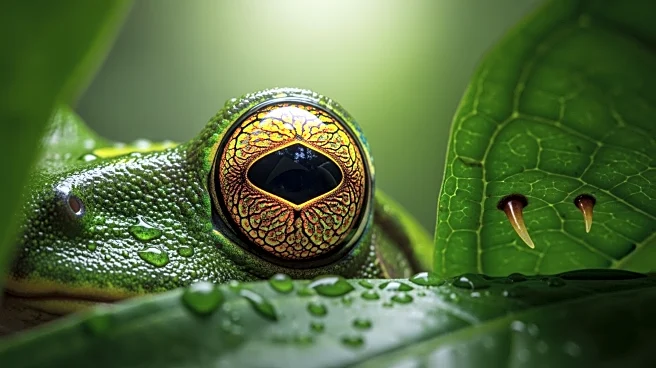
Researchers from Michigan State University have identified several cryptic species within the Bornean fanged frogs, previously thought to be a single species. Herpetologist Chan Kin Onn led the study, which utilized advanced genetic sequencing to analyze
over 13,000 genes from specimens collected in Malaysian Borneo. The findings, published in Systematic Biology, suggest that instead of 18 distinct species, there are about six or seven. This discovery highlights the importance of genetic research in uncovering hidden biodiversity and has significant implications for conservation strategies, as amphibians face severe threats globally.
Why It's Important?
The identification of cryptic species is crucial for conservation efforts, as it helps prioritize resources effectively. Amphibians are the most endangered group of vertebrates, with two out of five species threatened with extinction. Accurate species counts are essential to avoid misallocating conservation resources. Overestimating species numbers can lead to unnecessary prioritization, while underestimating can result in neglecting species that need protection. This research underscores the need for precise scientific methods in biodiversity studies, which can influence policy decisions and conservation funding.