
What's Happening?
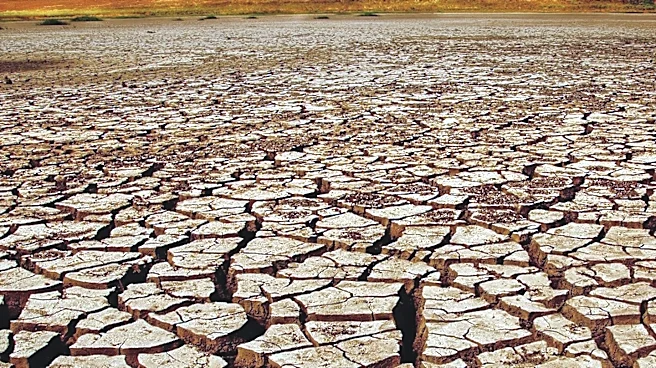
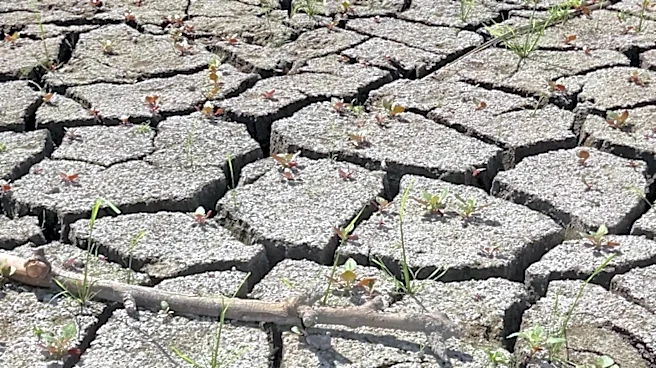
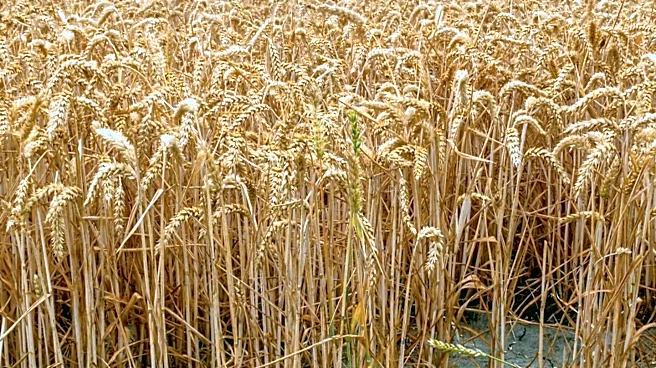
The Philippines is experiencing significant agricultural damage due to an ongoing El Niño-driven drought, with estimated losses reaching ₱9.99 billion (approximately $170 million USD) so far this cropping
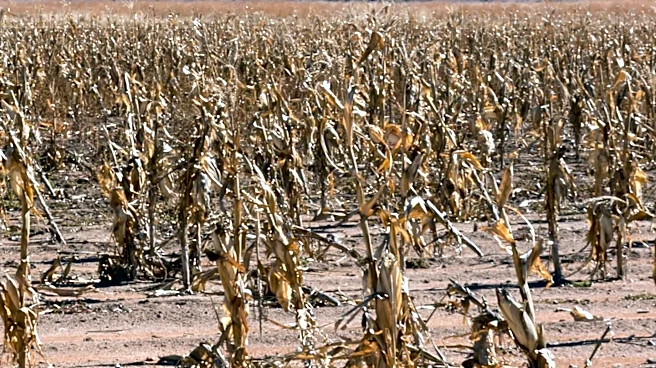
season. This severe weather event has impacted over 324,000 farmers across 323,000 hectares of farmland in 15 regions. The losses span various crops, including rice, corn, cassava, and high-value crops, as well as livestock and poultry. Rice production losses alone amount to 108,881 metric tons, while corn losses are 161,166 metric tons. High-value crops have suffered the largest financial toll, with ₱655.74 million in damages. The Philippine Atmospheric, Geophysical and Astronomical Services Administration (PAGASA) forecasts that this strong El Niño will persist into the first half of 2027, potentially peaking by the end of 2026, indicating that the full extent of the damage is yet to be realized.
Why It's Important?
The substantial agricultural losses in the Philippines due to El Niño have significant implications for food security, the national economy, and the livelihoods of hundreds of thousands of farmers. The reduction in staple crop production, such as rice and corn, could lead to increased food prices and potential shortages, impacting consumers across the country. For the U.S., while not directly affected by Philippine agricultural output, such widespread disruptions in a key Southeast Asian nation can contribute to global food market volatility and potentially influence regional stability. The event also highlights the vulnerability of agricultural sectors worldwide to climate-induced weather patterns, underscoring the need for resilient farming practices and international support for climate adaptation in developing nations.
What's Next?
The Department of Agriculture has already initiated interventions totaling ₱18.64 billion to assist affected farmers and is continuously monitoring drought-vulnerable areas. These interventions include seed and input assistance, as well as Kadiwa market activities to help move agricultural products. With the El Niño expected to continue into 2027, officials will maintain close monitoring of water levels in major irrigation dams, such as San Roque, to manage water releases for both drinking and agricultural use. The long-term impact may necessitate policy adjustments to enhance agricultural resilience against future climate events, potentially involving investments in drought-resistant crops, improved irrigation infrastructure, and early warning systems for farmers.
Beyond the Headlines
Beyond the immediate economic and agricultural impact, this El Niño event underscores the broader challenges of climate change and its disproportionate effects on vulnerable populations and economies. The combination of dry weather with higher fertilizer and fuel costs further exacerbates the crisis for farmers, highlighting the complex interplay of environmental and economic factors. This situation could also accelerate rural-to-urban migration as farmers seek alternative livelihoods, leading to social and demographic shifts. The event serves as a stark reminder of the urgent need for global cooperation on climate change mitigation and adaptation, particularly in supporting developing countries that are often on the front lines of climate impacts despite contributing less to global emissions.