








What's Happening?
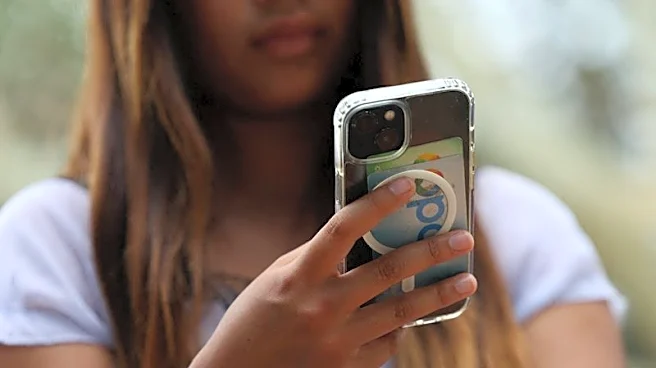
A recent study published in the BMJ has found that over 85% of teenagers in Australia continue to use social media platforms despite a government-imposed age ban. The study, conducted three months after the ban's implementation, indicates that many teens
are bypassing restrictions through fake accounts or private browsers. While the ban aimed to reduce social media use among under-16s, the study shows little immediate impact, with daily usage remaining largely unchanged. Researchers suggest that the ban should be accompanied by increased investment in offline activities for youth.
Why It's Important?
The findings of this study are crucial as they highlight the challenges of enforcing age restrictions on social media. The continued high usage rates suggest that technological and regulatory measures alone may not be sufficient to curb social media use among teens. This situation raises questions about the effectiveness of such bans and the need for comprehensive strategies that include alternative activities and education on digital literacy. The study's results could influence future policy decisions and the development of more effective approaches to managing youth social media use.
What's Next?
Researchers plan to reassess the impact of the age ban after 12 months to gain a clearer understanding of its long-term effects. The ongoing evaluation will provide insights into whether the current measures are effective or if additional strategies are needed. Policymakers and stakeholders will be watching closely to determine the best course of action to balance the benefits and risks of social media for young people. The study's findings may also prompt discussions on international approaches to regulating social media use among minors.