






What's Happening?
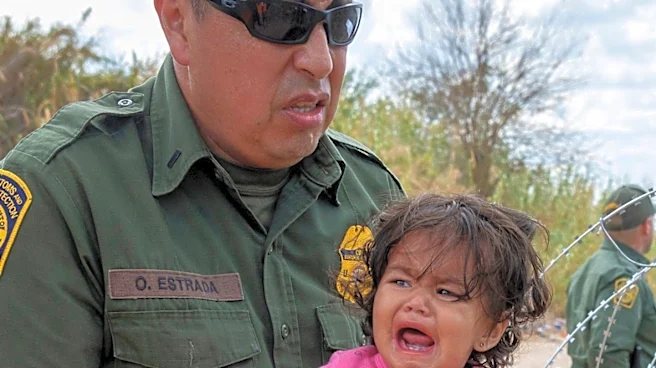
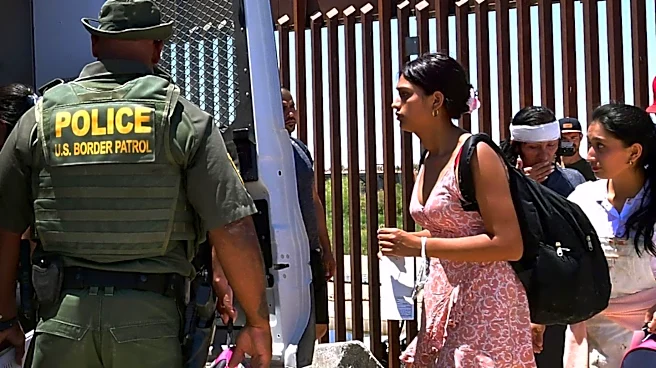
President Trump has implemented a comprehensive strategy to reshape U.S. immigration policy, focusing on both legal and illegal migration. This approach includes increased funding for immigration enforcement, restructuring immigration courts, and expanding
detention infrastructure. The administration's efforts have faced mixed judicial responses, with some district courts blocking certain measures, such as arrests in immigration courts, while the Supreme Court has upheld others, including ending temporary protected status for certain nationalities. The administration's strategy aims to limit immigrants' legal options and pathways to residency, reflecting Trump's campaign promises of mass deportations.
Why It's Important?
The changes in immigration policy under President Trump have significant implications for U.S. society and the immigrant community. By restricting legal pathways and increasing deportations, the administration's actions could lead to a decrease in the immigrant workforce, affecting industries reliant on immigrant labor. The judicial responses highlight the ongoing legal battles and the role of the courts in shaping immigration policy. These developments could influence public opinion and future legislative actions on immigration, impacting the lives of millions of immigrants and their families.
What's Next?
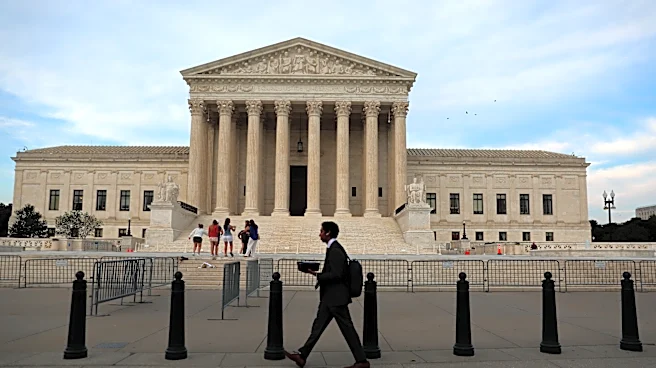
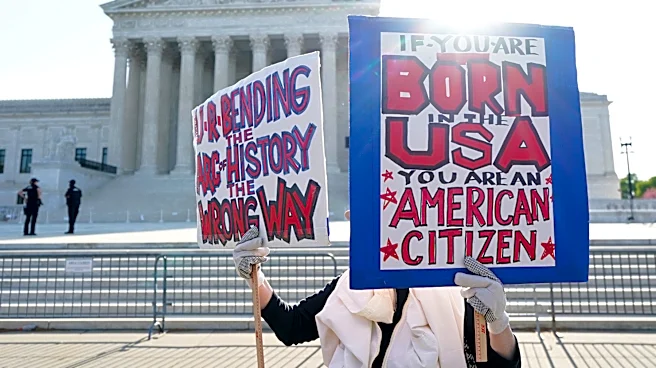
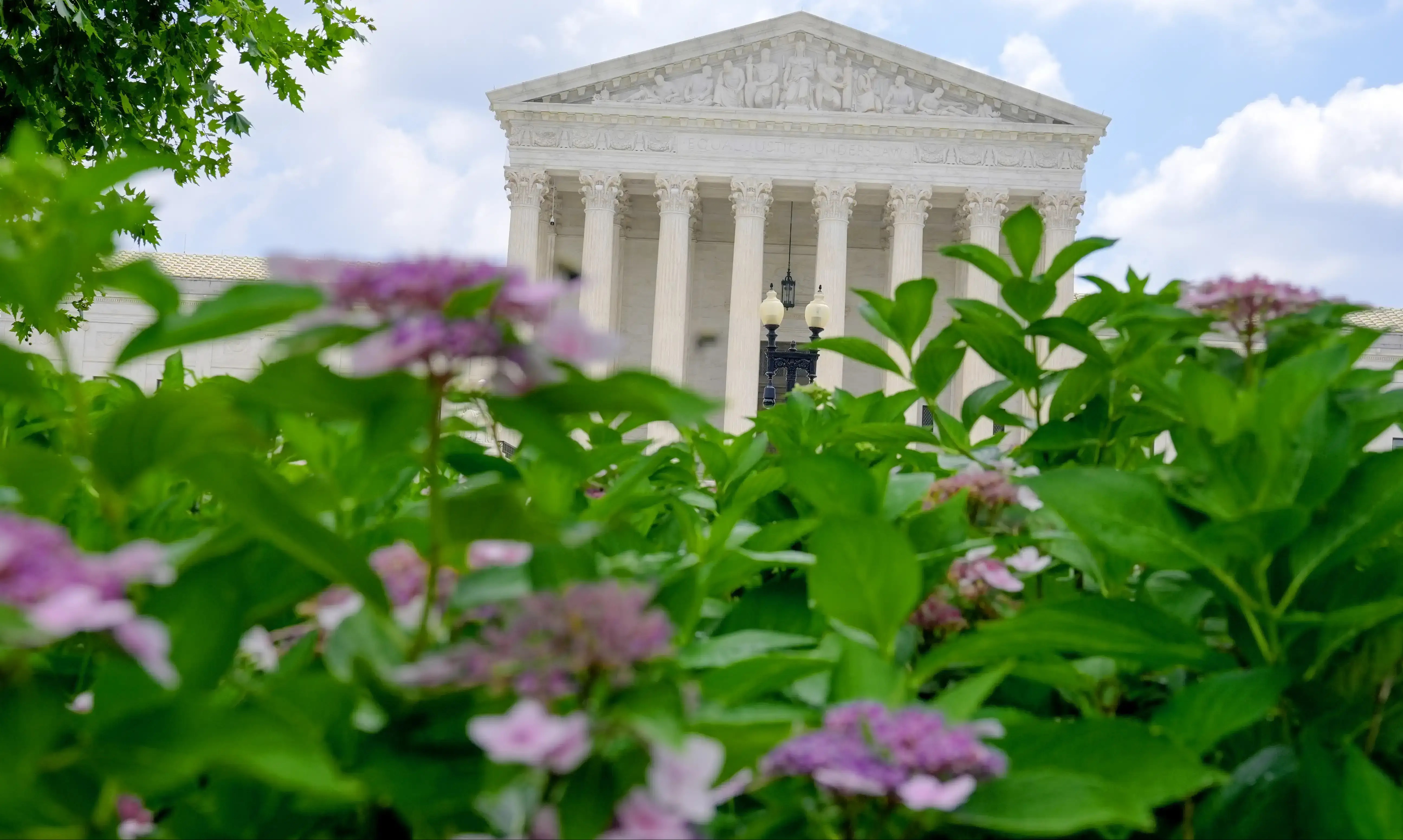
The Supreme Court is set to weigh in on President Trump's executive order to end birthright citizenship, a decision that could have far-reaching consequences for immigration policy and the interpretation of the 14th Amendment. The administration's continued focus on immigration enforcement is likely to face further legal challenges, and the outcomes of these cases will shape the future of U.S. immigration policy. Stakeholders, including immigrant advocacy groups and policymakers, will be closely monitoring these developments and preparing for potential shifts in strategy.