






What's Happening?
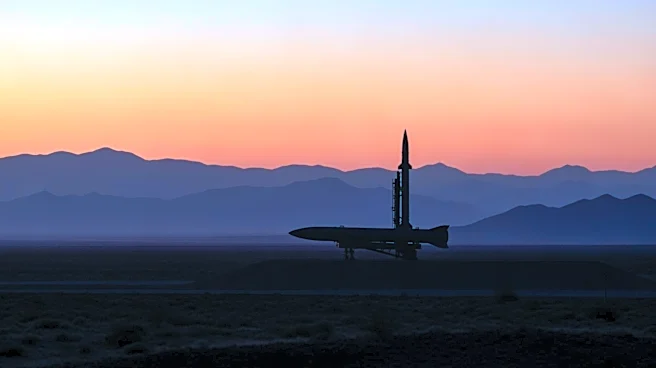
Iran is actively working to reconstitute its military capabilities during a ceasefire period following extensive US-Israeli airstrikes. According to recent US intelligence assessments, Iran has regained access to 90% of its underground missile storage
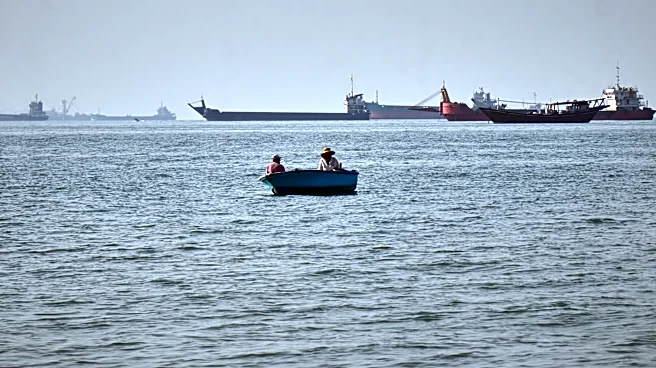
and launch facilities, which were previously rendered inoperative. The restoration of these facilities is part of Iran's broader strategy to recover its military strength. Despite the operational setbacks, Iran still retains about 70% of its mobile launchers and missile stockpile. The ceasefire has allowed Iran to reorganize and regenerate its military capabilities, focusing on tactical and operational levels. Additionally, Iran is shifting its strategic focus to the Strait of Hormuz, elevating its importance in Iranian deterrence strategy alongside nuclear capabilities.
Why It's Important?
The reconstitution of Iran's military capabilities during the ceasefire is significant as it underscores Iran's resilience and strategic adaptability in the face of sustained military pressure from the US and Israel. The shift in focus to the Strait of Hormuz as a central element of Iran's deterrence strategy could have profound implications for global energy markets and regional security. The strait is a critical chokepoint for global oil shipments, and Iran's increased control could disrupt international shipping and energy supplies. This development also highlights the limitations of traditional deterrence measures and the potential for Iran to leverage its geographic position to exert influence and extract economic benefits.
What's Next?
Iran's strategic shift towards the Strait of Hormuz suggests potential future confrontations over maritime control and international shipping routes. The international community, particularly countries reliant on Gulf oil, may need to reassess their security strategies and consider diplomatic or military responses to ensure the free flow of commerce. Additionally, Iran's efforts to rebuild its defense industrial base under ongoing sanctions will likely face significant challenges, potentially leading to further geopolitical tensions. The US and its allies may continue to monitor and respond to Iran's military developments and strategic maneuvers in the region.
Beyond the Headlines
Iran's emphasis on the Strait of Hormuz could lead to new geopolitical dynamics, as regional states may seek alternative trade routes to bypass Iranian control. This could result in increased overland trade across the Arabian Peninsula, although such routes may not fully replace maritime shipping capacity. Furthermore, Iran's potential control over subsea fiber-optic cables in the strait could impact global digital connectivity, posing additional challenges for international businesses and governments. These developments highlight the complex interplay between military strategy, economic interests, and technological infrastructure in the region.