

What's Happening?
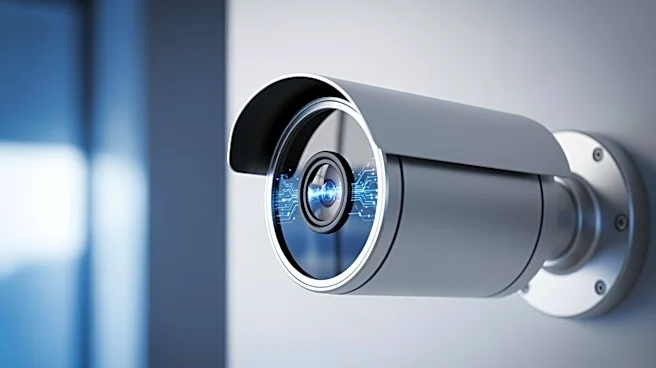
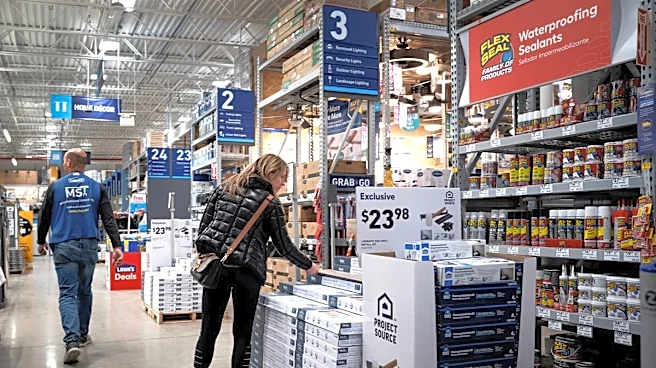
Connecticut lawmakers have sent a letter to major retailers Home Depot and Lowe's, seeking clarity on the use and sharing of data collected by automated license plate readers in their parking lots. These cameras have been under scrutiny after reports
revealed that data collected by local police departments was accessed by out-of-state agencies for immigration enforcement. The lawmakers are concerned about the potential misuse of this data, especially in terms of privacy and security. The letter, addressed to the CEOs of both companies, asks detailed questions about their data retention and sharing policies. While Home Depot has stated that their cameras are used for theft prevention and safety, they have not clarified whether out-of-state agencies can access the data. Lowe's has yet to respond to inquiries. The issue has gained attention following the passage of a law regulating the use of such cameras by police departments, but it does not cover private companies.
Why It's Important?
The use of automated license plate readers by private companies raises significant privacy concerns. These devices, while useful for security purposes, have the potential to be misused, leading to tracking and harassment of individuals. The lawmakers' inquiry highlights the need for transparency and regulation in the use of surveillance technology by private entities. The situation underscores the broader debate on balancing security measures with individual privacy rights. As surveillance technology evolves, there is a growing need for legislative frameworks that protect citizens from potential abuses. The outcome of this inquiry could influence future policies and regulations regarding the use of surveillance technology by private companies, impacting how data is managed and shared across state lines.
What's Next?
Lawmakers are awaiting responses from Home Depot and Lowe's, which could inform potential future legislation. The Government Administration and Elections Committee, co-chaired by Rep. Matt Blumenthal, is likely to consider new policies based on the information provided by these companies. The evolving landscape of surveillance technology may prompt further legislative action to ensure privacy protections are in place. As the issue gains traction, other states may also look into similar practices by retailers, potentially leading to nationwide discussions on the regulation of private surveillance systems.