
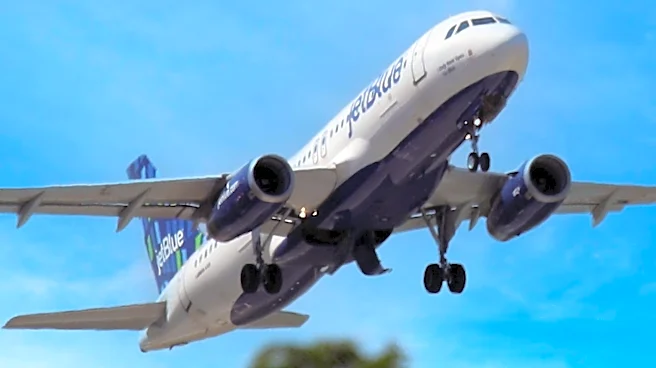
What's Happening?
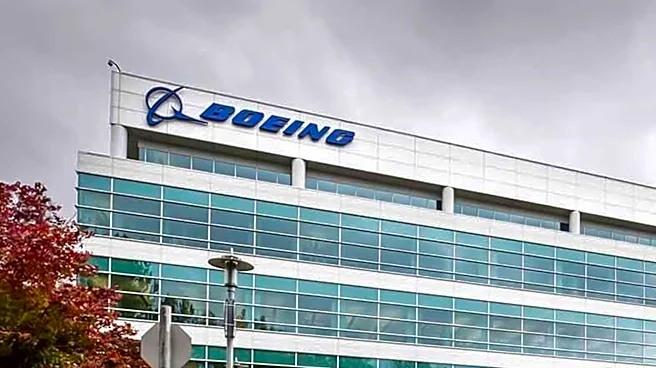
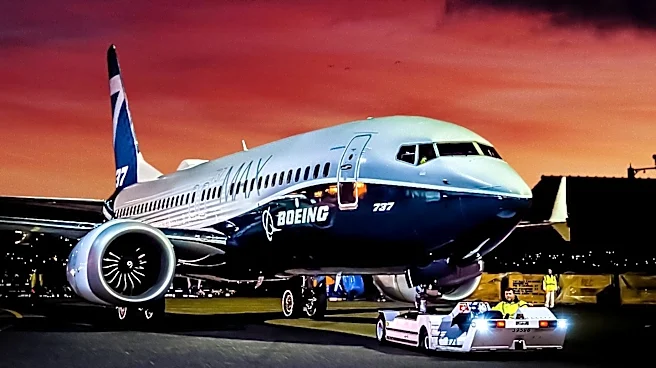
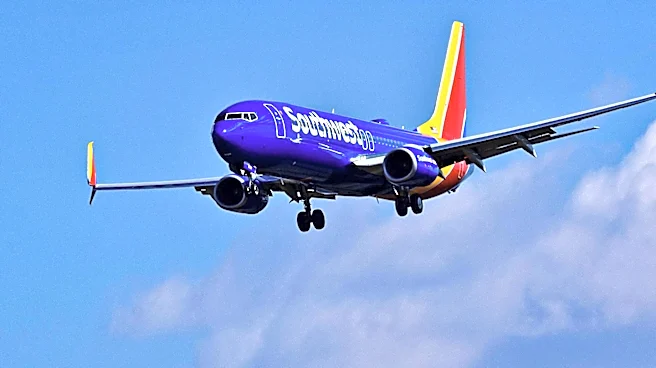
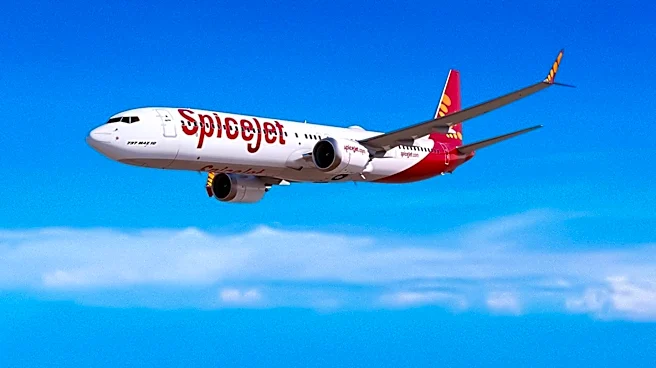
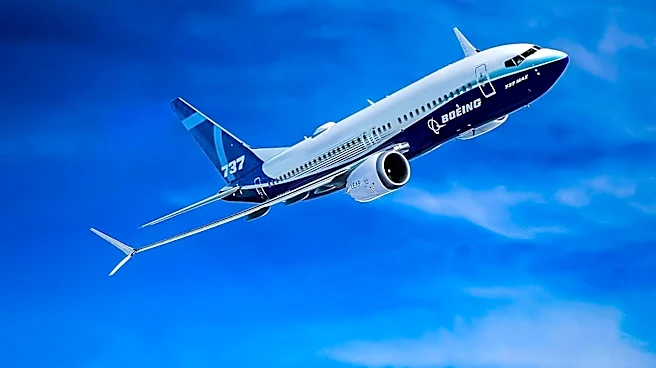
The Federal Aviation Administration (FAA) has issued an airworthiness directive requiring inspections of hundreds of Boeing 737 Max jets due to potential cracks in the aircraft's fuselage. This directive affects approximately 471 U.S.-registered Boeing 737 Max 8,
Max 9, and Max 8-200 airplanes. The inspections are prompted by reports of cracks in the bear strap at the forward upper corner of the forward galley door cutout. Boeing has stated that while the issue was initially identified in the 737 Next Generation aircraft, it has not been observed in the 737 Max fleet. However, due to the similar design and manufacturing processes, the inspections have been extended to the Max models. The directive, which takes effect on September 10, 2026, aims to address these potential cracks to ensure the structural integrity of the aircraft.
Why It's Important?
The FAA's directive is crucial for maintaining the safety and reliability of the Boeing 737 Max fleet, which has been under scrutiny following previous safety concerns. Ensuring the structural integrity of these aircraft is vital for passenger safety and the airline industry's confidence in the Boeing 737 Max models. The directive also highlights the ongoing challenges Boeing faces in addressing manufacturing and design issues, which can have significant financial and reputational impacts on the company. For airlines operating these aircraft, compliance with the directive is essential to avoid potential disruptions in service and maintain passenger trust.
What's Next?
Airline operators will need to conduct the mandated inspections and carry out any necessary repairs to comply with the FAA's directive. Boeing will continue to work with operators to address the issue and implement manufacturing changes to prevent similar conditions in the future. The aviation industry will closely monitor the situation to ensure that the inspections effectively mitigate the identified risks. Additionally, the FAA and Boeing may face increased scrutiny from regulators and the public to ensure that all safety measures are adequately implemented.