





What's Happening?
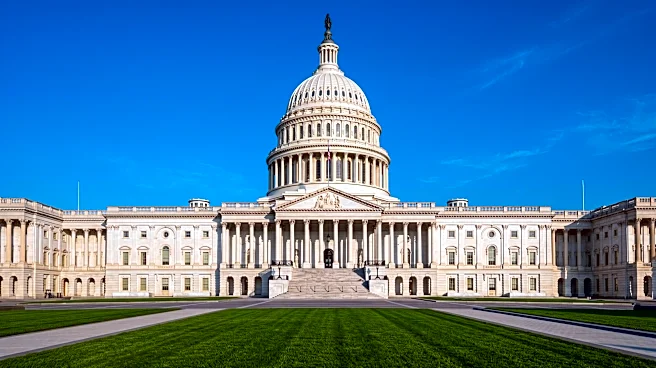
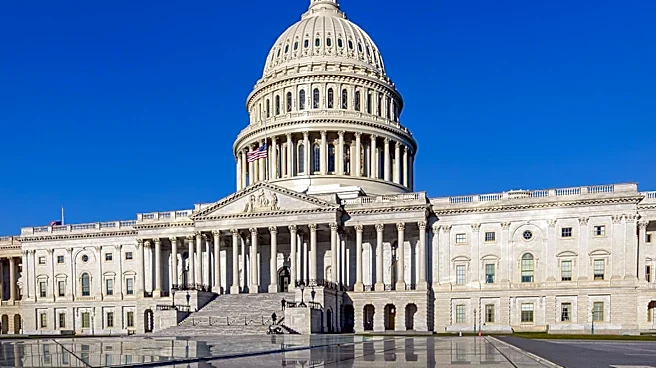
A coalition of Maryland state legislators and Chesapeake Bay advocates are planning to discuss the extension of the state's 'flush tax' during the 2027 legislative session. This fee, which funds the Bay Restoration Fund (BRF), is currently set to be halved
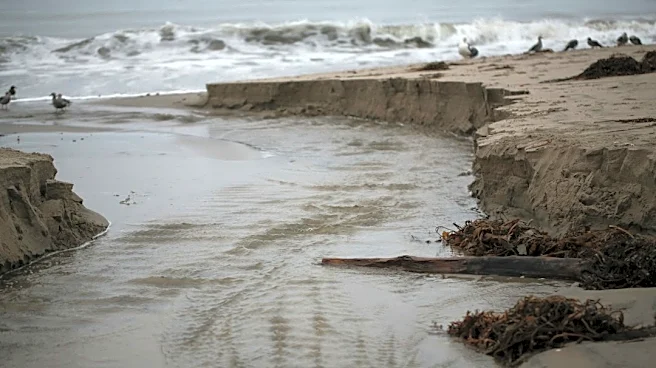
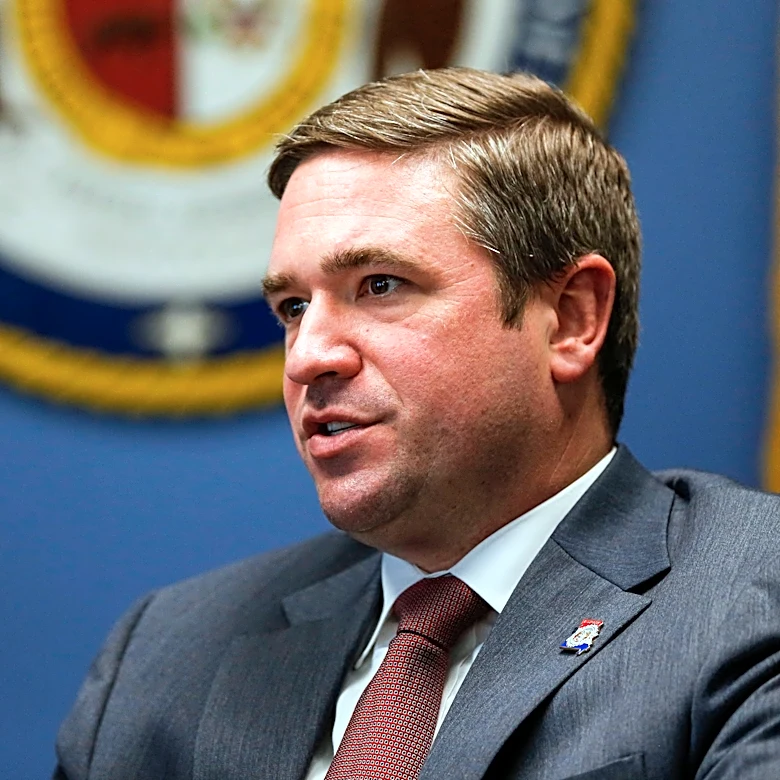
in 2030. Since its inception in 2004, the 'flush tax' has generated $2.3 billion from property owners, enabling significant upgrades to wastewater treatment plants across Maryland. These upgrades have been instrumental in preventing hundreds of millions of pounds of nutrients from entering the Chesapeake Bay, thereby mitigating the formation of low-oxygen 'dead zones' that harm aquatic life. The fund has supported enhanced nutrient removal technology at 66 out of 67 major sewage treatment plants and 17 minor plants, with 16 additional minor plants in the planning stages for upgrades. Del. Dylan Behler (D-Anne Arundel) highlighted the BRF as one of the most crucial and successful environmental funding efforts in the state.
Why It's Important?
The potential halving of the 'flush tax' in 2030 poses a significant threat to ongoing Chesapeake Bay restoration efforts. The Bay Restoration Fund has been a cornerstone of Maryland's environmental strategy, contributing to 64% of nitrogen reductions and 61% of phosphorus reductions achieved by Bay-surrounding states since 2009. Without its full continuation, the progress made in improving water quality could be jeopardized. Furthermore, many of the enhanced nutrient removal upgrades funded by the BRF are nearing the end of their projected 20-year lifespans, with approximately 20 facilities having received upgrades over 15 years ago and another 20 reaching this point between 2027 and 2029. This necessitates continued funding for maintenance and potential re-evaluation of these systems. The debate also highlights broader challenges in environmental funding, particularly as Maryland faces a projected $3 billion structural budget gap, leading to concerns that the BRF could be diverted for other purposes.
What's Next?
Lawmakers and advocates will likely engage in discussions during the 2027 legislative session to either extend or eliminate the 2030 sunset provision for the 'flush tax.' This period will also serve as an opportunity to refine the fund's application. Ideas on the table include expanding the fund's scope to cover sewage plant maintenance, improving septic systems, converting homes to public sewer service, and addressing 'forever chemicals' in wastewater. There is also a discussion about potentially using BRF funds to extend sewer service to new rural areas to support housing and economic growth. Additionally, the effectiveness of funds allocated to farmers for cover crops will be reviewed, with suggestions for more targeted and impactful deployment. Stakeholders like the Maryland Association of Counties (MACo) prioritize preserving the fund to ensure counties can maintain existing systems and plan for future needs, while environmental groups see this as an opportunity to modernize the 22-year-old fund.
Beyond the Headlines
The discussion surrounding the 'flush tax' extension goes beyond immediate environmental concerns, touching upon critical infrastructure, public health, and economic development. The need for ongoing maintenance and upgrades to wastewater treatment plants underscores the long-term commitment required for environmental protection, especially as existing infrastructure ages. The potential for the BRF to address issues like septic system conversions and 'forever chemicals' highlights an evolving understanding of environmental challenges and the need for adaptive funding mechanisms. Furthermore, the intersection of environmental policy with housing and economic growth, as seen in the debate over extending sewer services, illustrates the complex interdependencies of state-level initiatives. The challenge of balancing environmental funding with a significant state budget deficit also brings to light the political and fiscal pressures on policymakers, emphasizing the need for strategic allocation and protection of dedicated funds from being 'raided' for other purposes.