









What's Happening?
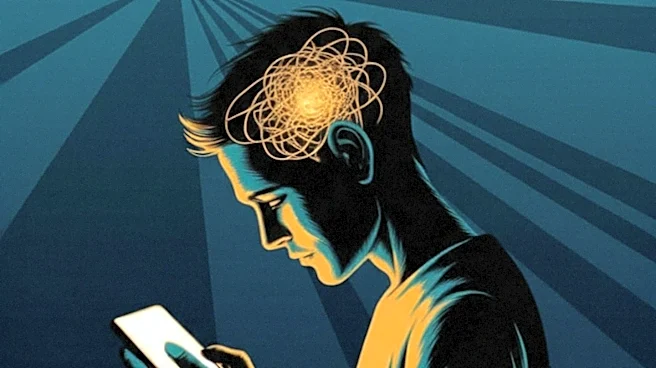
Researchers have identified 'cyberchondria' as a pattern of repeatedly searching for health information online, which, instead of alleviating concerns, intensifies anxiety. This phenomenon is not a formal medical diagnosis but a recognized behavioral
pattern. Individuals engaging in cyberchondria often bypass common causes of symptoms to focus on severe or rare diseases, leading to heightened fear. For instance, a minor physical sensation can escalate into a perceived medical emergency after a brief online search. This behavior is particularly prevalent at night when medical professionals are unavailable, and the brain is more susceptible to anxiety. The internet's algorithms, which prioritize engagement, often present worst-case scenarios, inadvertently feeding into this cycle of fear rather than providing reassurance.
Why It's Important?
The rise of cyberchondria highlights a significant public health concern in the digital age, impacting individuals' mental well-being and potentially straining healthcare resources. The constant exposure to alarming medical information online can lead to unnecessary stress, sleep disturbances, and a distorted perception of personal health. This pattern can also contribute to 'nocebo effect,' where the expectation of harm can manifest in physical symptoms, making individuals feel worse. For the healthcare system, cyberchondria might lead to an increase in non-urgent medical consultations, diverting resources from genuine emergencies. Understanding this phenomenon is crucial for developing strategies to promote healthier online information-seeking habits and for healthcare providers to address patient anxieties stemming from internet research effectively.
What's Next?
Addressing cyberchondria involves implementing strategies to break the cycle of anxiety-driven online health searches. Recommendations include limiting search times, especially before bedtime, and focusing on reputable medical sources. Instead of immediate online searches, individuals are encouraged to document symptoms to discuss with a doctor, promoting a more structured and less panic-driven approach to health concerns. The '48-hour rule' suggests waiting two days for non-severe symptoms to resolve, as many minor issues disappear naturally. When consulting a doctor, patients are advised to describe their symptoms factually rather than leading with self-diagnosed conditions found online. These steps aim to shift the focus from anxiety-fueled internet research to informed medical consultation, fostering a healthier relationship with online health information.
Beyond the Headlines
The phenomenon of cyberchondria extends beyond individual anxiety, touching upon broader ethical and psychological implications of digital information consumption. The internet's design, driven by engagement metrics, inadvertently prioritizes sensational and fear-inducing content, which can be detrimental to mental health. This raises questions about the responsibility of search engines and health information platforms to present balanced and reassuring content. Culturally, cyberchondria reflects a growing reliance on self-diagnosis in an era of readily available information, challenging traditional patient-doctor dynamics. It underscores the need for digital literacy in health, teaching individuals how to critically evaluate online sources and recognize the psychological impact of their search habits. Ultimately, managing cyberchondria requires a multi-faceted approach, combining individual behavioral changes with a broader societal awareness of digital well-being.