
What's Happening?
The Pentagon is seeking to enhance its autonomous warfare capabilities by significantly increasing its budget for drone technology. The Defense Advanced Research Projects Agency (DARPA) is spearheading
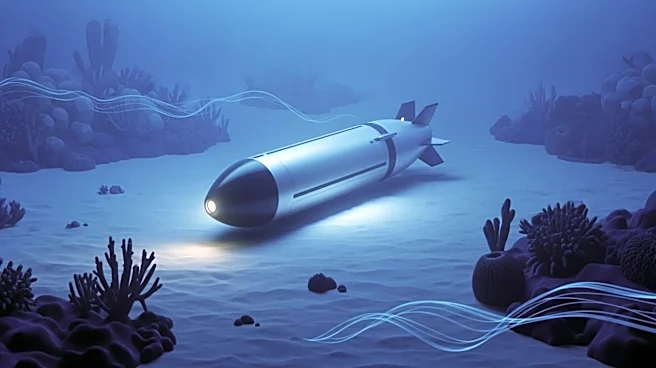
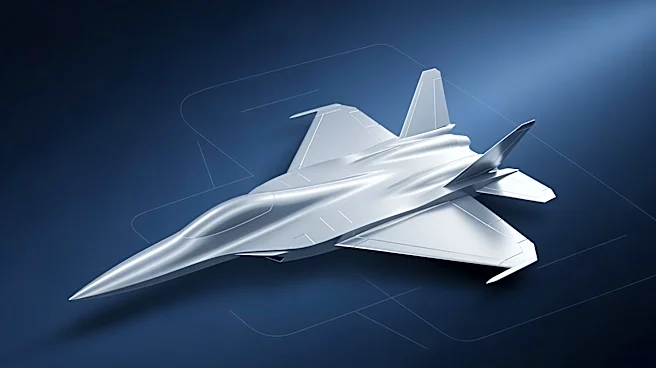
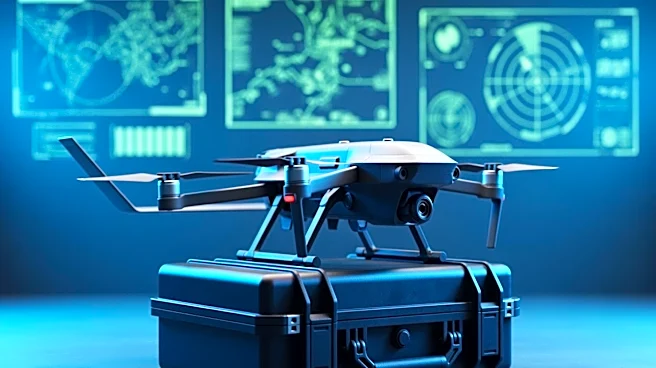
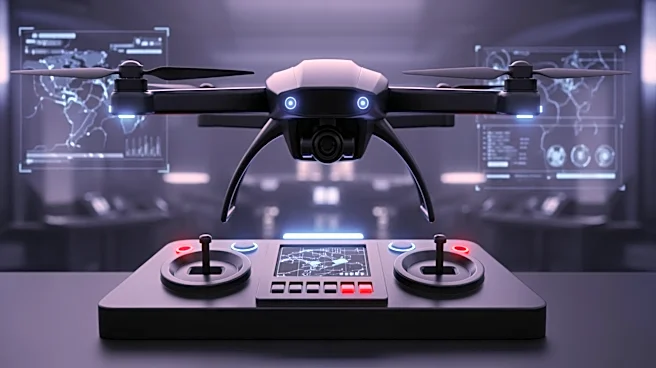
efforts to develop smarter, self-organizing drones that can operate with minimal human intervention. Two key projects, Materials for Physical Compute in Untethered Robotics and Decentralized Artificial Intelligence through Controlled Emergence, aim to improve the intelligence and collaborative abilities of autonomous systems. These initiatives are part of a broader strategy to enable machines to dynamically form teams and execute complex missions. The budget for the Defense Autonomous Working Group, which oversees drone warfare, is set to rise from $226 million to $54 billion by 2027.
Why It's Important?
The expansion of the Pentagon's autonomous warfare budget underscores the growing importance of drone technology in modern military strategy. By investing in advanced autonomous systems, the U.S. aims to maintain a strategic advantage in warfare, where the ability to deploy numerous drones with minimal human oversight could be a game-changer. This shift could reduce the need for large numbers of personnel to operate drones, addressing a key limitation identified in past military operations. The development of more intelligent and collaborative drones could enhance mission efficiency and effectiveness, potentially transforming how military operations are conducted.
What's Next?
As the Pentagon moves forward with its autonomous warfare initiatives, the focus will likely be on integrating these advanced systems into existing military frameworks. This will involve addressing challenges related to training, maintenance, and operational deployment. The success of these initiatives will depend on the ability to develop clear doctrines and strategies for the use of autonomous systems. Additionally, the military will need to ensure that these technologies are secure and reliable, minimizing vulnerabilities that could be exploited by adversaries. The establishment of the SOUTHCOM Autonomous Warfare Command indicates a commitment to maximizing the efficient fielding of these systems.