
What's Happening?
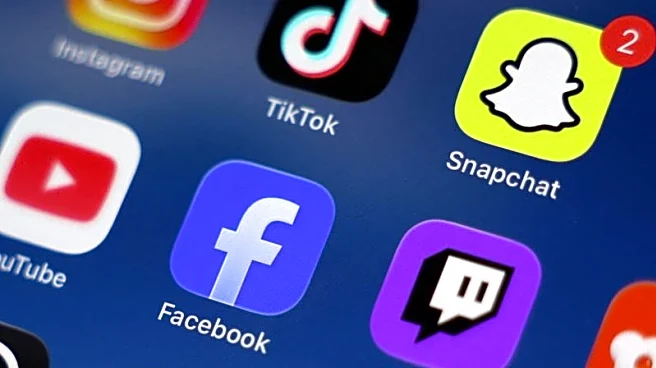
Australia has enacted a groundbreaking social media ban targeting children under the age of 16, effective from midnight. This legislation mandates ten major platforms, including TikTok, YouTube, Instagram,
and Facebook, to block access for this age group or face substantial fines. The move has been met with mixed reactions, drawing criticism from technology companies and free speech advocates, while receiving support from parents and child welfare groups. The ban is part of a broader effort to address concerns about the impact of social media on children's health and safety. Prime Minister Anthony Albanese emphasized the importance of engaging in offline activities and spending quality time with family and friends. The ban is being closely monitored by other countries considering similar measures, as it represents a significant challenge to the influence of major tech companies.
Why It's Important?
The implementation of this ban is significant as it sets a precedent for other nations grappling with the influence of social media on young users. It highlights a growing global concern about the mental health implications of social media, particularly among teenagers. The ban could potentially disrupt the business models of social media companies, which rely on user engagement and data collection. While these platforms claim to have protective measures for children, the ban challenges their effectiveness and could lead to increased regulatory scrutiny worldwide. The decision also raises questions about the balance between protecting children and preserving free speech, as well as the role of government in regulating digital spaces.
What's Next?
The ban's impact will be closely observed by international lawmakers and could inspire similar regulations in other countries. Social media companies may need to adapt their strategies to comply with age verification requirements and address privacy concerns. An Australian High Court challenge is pending, which could influence the future of the ban. Additionally, the government plans to update the list of restricted platforms as new technologies emerge, indicating ongoing regulatory adjustments. The response from the tech industry and civil society will be crucial in shaping the future of digital regulation.
Beyond the Headlines
This development raises deeper questions about the ethical responsibilities of tech companies in safeguarding young users. It also highlights the cultural shift towards prioritizing mental health and well-being over digital engagement. The ban could lead to long-term changes in how social media platforms design their services and interact with younger audiences. Furthermore, it underscores the potential for increased government intervention in digital spaces, which could redefine the relationship between technology and society.