





What's Happening?
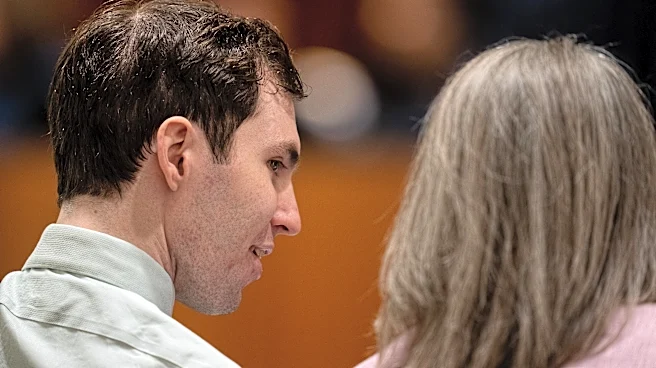
Supreme Court Justice Clarence Thomas has expressed dissent over the Court's decision to intervene in a death penalty case involving Gary Whitton. The case centers on the use of false testimony and new DNA evidence in Whitton's conviction for murder.
The Supreme Court ruled that the Eleventh Circuit erred by considering DNA evidence discovered after the trial when assessing the impact of false testimony. Thomas, joined by Justice Samuel Alito, argued that the Court's involvement was unnecessary and criticized the decision as a minor issue that did not affect the case's outcome.
Why It's Important?
This dissent highlights ongoing debates within the Supreme Court regarding the scope of its intervention in lower court decisions. The case underscores the complexities of balancing procedural fairness with the finality of convictions, particularly in death penalty cases. Thomas's criticism reflects broader concerns about the Court's role in correcting perceived errors in the judicial process. The decision may influence future cases involving post-conviction evidence and the standards for reviewing lower court rulings, potentially impacting the legal landscape for death penalty appeals.