
What's Happening?
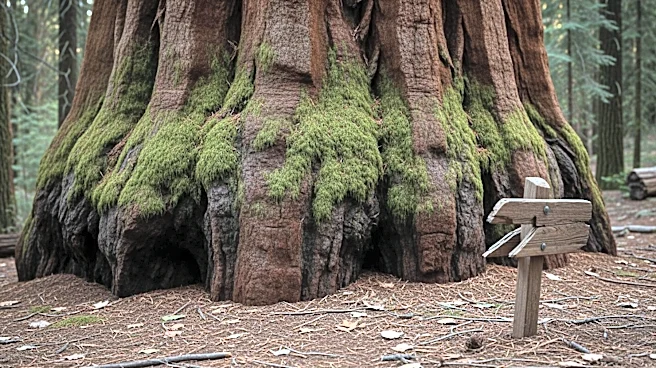
A hiker exploring a protected area of Sequoia National Park discovered significant vandalism, including carved names on trees, a mylar balloon entangled in branches, and a tourist lying on protected wildflowers.
These findings, shared on Reddit, have sparked frustration among park visitors and volunteers. The carvings on trees cause permanent damage, as trees do not heal like human skin, leaving scars that can invite disease or insects. The presence of litter, such as wrappers and cans, further indicates a disregard for the park's preservation efforts. The tourist's actions of lying on wildflowers, which are crucial for pollinators, can undo years of restoration work by park staff. This incident underscores the broader issue of visitor impact on national parks, where careless behavior can lead to long-term ecological damage.
Why It's Important?
The vandalism and littering in Sequoia National Park highlight the ongoing challenges of preserving natural landscapes in the face of increasing visitor numbers. National parks are vital for biodiversity, providing habitats for numerous species and supporting ecosystems that are essential for pollinators and, consequently, the food supply. The damage caused by visitors not only affects the immediate environment but also has broader implications for conservation efforts. The incident serves as a reminder of the importance of adhering to park guidelines to protect these areas for future generations. The frustration expressed by volunteers and park enthusiasts reflects a growing concern about the sustainability of national parks amid rising human impact.
What's Next?
The National Park Service may need to enhance educational efforts to inform visitors about the importance of preserving natural habitats and the consequences of their actions. Increased signage and ranger presence could help deter vandalism and littering. Additionally, there may be calls for stricter enforcement of park rules and penalties for those who damage protected areas. Engaging the public in conservation efforts through volunteer programs and awareness campaigns could foster a greater sense of responsibility among visitors. The incident could also prompt discussions on balancing tourism with conservation, ensuring that national parks remain accessible while protecting their ecological integrity.
Beyond the Headlines
The incident at Sequoia National Park raises ethical questions about human interaction with nature and the responsibility of individuals to preserve natural spaces. It highlights the cultural shift needed to view national parks not just as recreational spaces but as vital ecosystems requiring protection. The long-term implications of such behavior could lead to stricter access controls or even the closure of certain areas to allow for recovery. This situation also underscores the need for a broader societal commitment to environmental stewardship, recognizing the interconnectedness of human actions and ecological health.