






What's Happening?
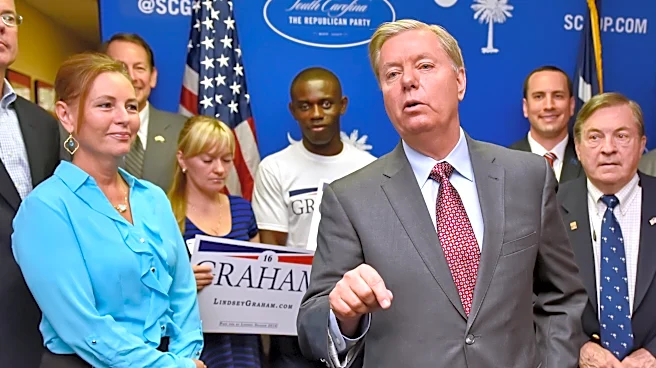
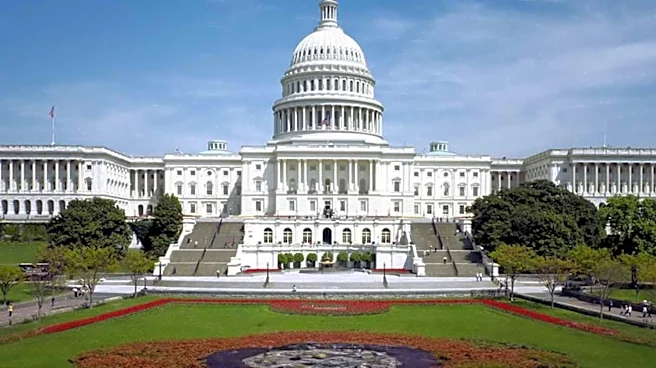
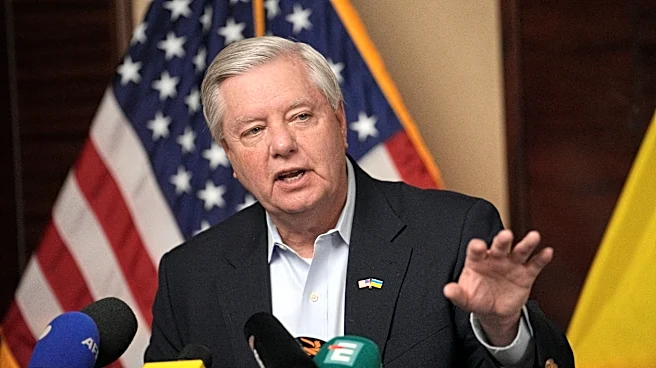
The U.S. Senate reconvened in Washington with an uncertain agenda following the unexpected death of Senator Lindsey Graham. Graham, a prominent Republican and key ally of President Trump, passed away due to a tear in his aorta. His death, coupled with the ongoing
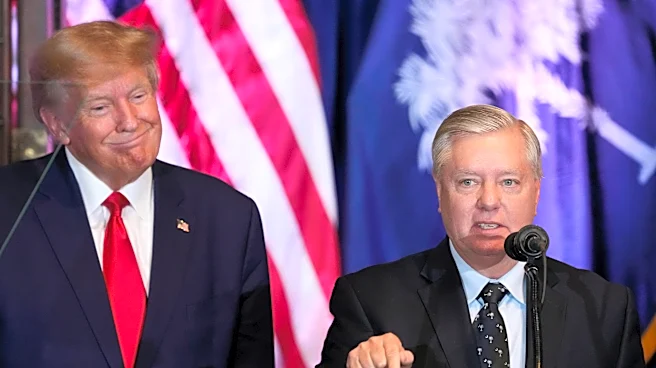
absence of Senator Mitch McConnell, who is recovering from pneumonia, has left Senate Republicans in a precarious position. The Senate, which is already divided on several legislative priorities, now faces additional challenges with reduced Republican numbers. Graham was known for his ability to mediate and push forward legislation, often acting as a bridge between President Trump and Senate Republicans. His passing has left a significant void, particularly as the Senate approaches critical decisions on government funding and other legislative matters.
Why It's Important?
The death of Senator Graham is significant as it disrupts the already fragile balance within the Senate, particularly for the Republican Party. Graham's role as a mediator and his influence in legislative processes were crucial in advancing Republican agendas. His absence may hinder the party's ability to pass key legislation, especially with the midterm elections approaching. The situation is further complicated by Senator McConnell's health issues, which have left the party without two of its senior leaders. This could impact the party's legislative effectiveness and its ability to maintain cohesion in the face of internal and external challenges. The uncertainty in the Senate could also affect broader political dynamics, including the relationship between the Senate and the White House.
What's Next?
In the wake of Graham's death, South Carolina Governor Henry McMaster has appointed Graham's sister, Darline Graham Nordone, as his temporary replacement. A special election will be held to select a new Republican nominee for Graham's seat. Meanwhile, the Senate must navigate several pressing issues, including the confirmation of President Trump's nominees for attorney general and director of national intelligence. Additionally, the Senate faces the challenge of preventing a government shutdown as the fiscal year ends. The absence of key leaders like Graham and McConnell may complicate these processes, requiring Republicans to find new strategies to advance their legislative agenda.