







What's Happening?
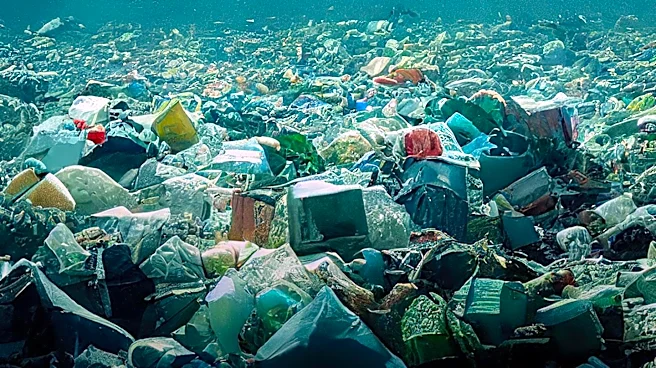
U.S. Representative Salud Carbajal, alongside Senator Alex Padilla, has introduced the Ocean Protection and DDT Reduction Act. This new legislation aims to tackle the significant issue of toxic waste, particularly DDT, dumped off the Southern California
coast. The bill mandates the National Oceanic Atmospheric Administration (NOAA), in collaboration with other government agencies, to comprehensively map the extent of this contamination. Furthermore, it requires studies into the impacts of these toxic chemicals, specifically how substances like DDT integrate into and spread through the ocean's food web. The legislation also authorizes $6 million annually through 2034 to provide grants for academic and research institutions to conduct these vital studies. This funding is crucial, as current research efforts are facing potential halts due to expiring funds. The bill also seeks to explore potential cleanup methods for the toxic waste that continues to affect the ocean environment.
Why It's Important?
The introduction of the Ocean Protection and DDT Reduction Act is critical for environmental protection and public health in the U.S., particularly for California's coastal communities. The presence of DDT and other industrial waste in the ocean food web poses long-term risks to marine life, wildlife, and ultimately, human health through seafood consumption. This bill's focus on mapping the contamination and understanding its spread is a foundational step toward mitigating these dangers. The authorized funding ensures that scientific research, which is currently at risk, can continue to provide the necessary data for informed decision-making. Without such legislation, the full scope of the problem might remain unknown, hindering effective cleanup and prevention strategies. The legislation also highlights the broader issue of historical industrial dumping and its lasting environmental consequences, setting a precedent for addressing similar challenges nationwide.
What's Next?
If passed, the Ocean Protection and DDT Reduction Act will initiate a multi-agency effort to thoroughly investigate and understand the toxic waste off the Southern California coast. The immediate next steps would involve NOAA coordinating with other government bodies to begin mapping the contamination and launching studies on its ecological and public health impacts. The annual allocation of $6 million will enable academic and research institutions to secure funding for their ongoing and future investigations, preventing a halt in critical scientific work. Additionally, researchers will be tasked with exploring viable methods for cleaning up the toxic waste. The bill's progress through Congress will be closely watched by environmental groups, scientific communities, and coastal residents, as its passage could set a precedent for how the U.S. addresses historical environmental damage and protects its marine ecosystems.
Beyond the Headlines
The Ocean Protection and DDT Reduction Act touches upon deeper implications beyond immediate environmental cleanup. It underscores the long-term consequences of industrial practices and the ethical responsibility to address historical environmental damage. The bill's emphasis on understanding the spread of DDT through the ocean food web highlights the interconnectedness of ecosystems and the potential for persistent pollutants to impact diverse species, including humans. This legislative effort could also stimulate advancements in marine toxicology and remediation technologies, fostering innovation in environmental science. Furthermore, it brings to light the financial burden of environmental neglect, as significant public funds are now required to address issues stemming from past dumping. The act serves as a reminder of the need for stringent environmental regulations and continuous monitoring to prevent future ecological disasters and safeguard public health.