






What's Happening?
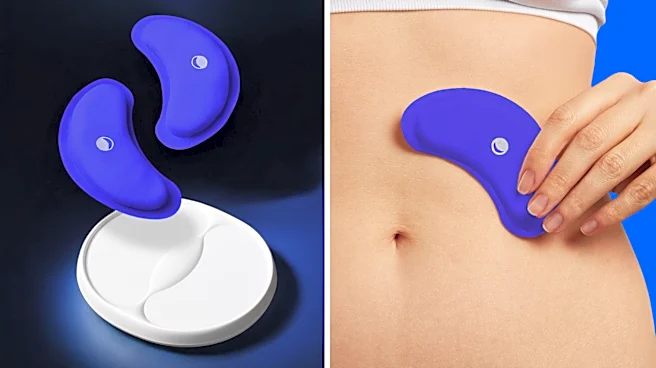
Noom, a leader in digital health and behavior change, has launched a $125 at-home Biomarkers Test Kit for its U.S. members. This kit is designed to provide comprehensive tracking of metabolic and cardiovascular health. Utilizing the Tasso+ device, the kit allows
for painless blood collection and tracks 17 clinically significant biomarkers, including HbA1c, ApoB, triglycerides, and hs-CRP. The initiative aims to address the gap in traditional health monitoring, which often relies on episodic care models. Noom's approach integrates real-time feedback into its app, allowing users to monitor their health metrics continuously. This development is part of Noom's broader strategy to integrate at-home diagnostics with personalized behavior change algorithms, creating a digital ecosystem for health management.
Why It's Important?
The introduction of Noom's at-home Biomarker Test Kit is significant as it addresses a critical gap in the current healthcare system, where many individuals remain unaware of their metabolic health status. With 1 in 3 American adults having prediabetes, and 8 in 10 of those unaware of their condition, this kit provides a proactive approach to health management. By offering real-time insights into health markers, Noom empowers users to make informed decisions about their health, potentially reducing the risk of chronic diseases. This innovation also supports the management of GLP-1 therapies, providing data that can help in tapering medication use, thus addressing the financial burden on health plans and employers.
What's Next?
As Noom's Biomarker Test Kit becomes more widely adopted, it could lead to a shift in how individuals manage their health, moving from reactive to proactive care. The data collected from these kits could also influence healthcare policies and insurance coverage, as more emphasis is placed on preventative care. Additionally, the integration of these kits with Noom's app may lead to further advancements in personalized health management, potentially expanding to include more biomarkers and health conditions. Stakeholders such as healthcare providers, insurers, and policymakers may need to adapt to these changes, considering the implications for healthcare delivery and cost management.
Beyond the Headlines
The launch of Noom's Biomarker Test Kit highlights the growing trend of consumer-driven healthcare, where individuals take more control over their health data. This shift raises questions about data privacy and the ethical use of health information. As more companies enter the at-home diagnostics market, there will be increased scrutiny on how data is collected, stored, and used. Additionally, the success of such initiatives could lead to a reevaluation of traditional healthcare models, potentially reducing the reliance on in-person visits and laboratory tests. This could have long-term implications for the healthcare industry, including changes in how services are delivered and reimbursed.