




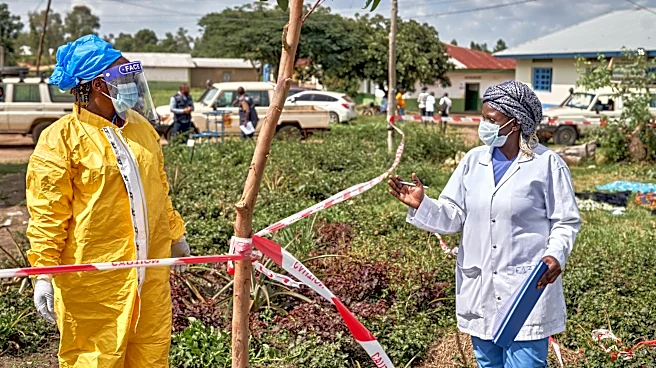
What's Happening?
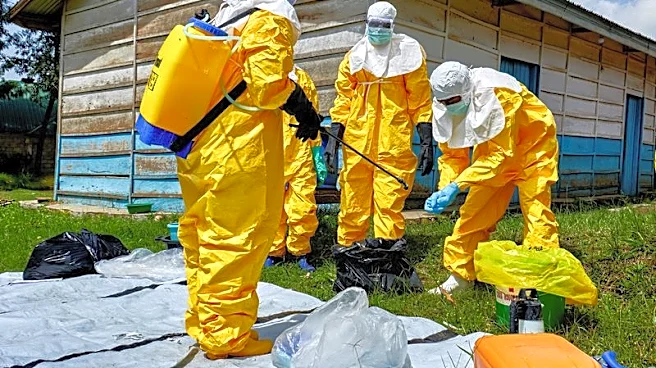
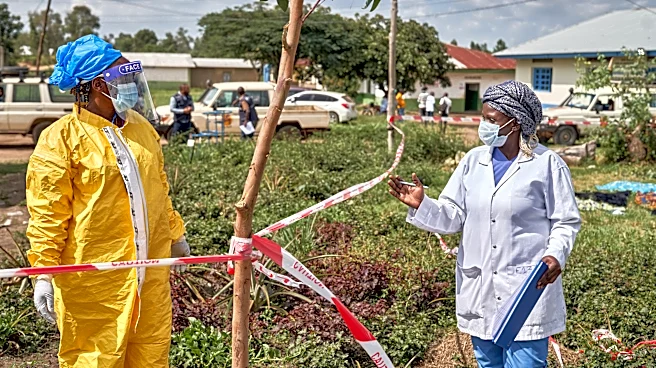
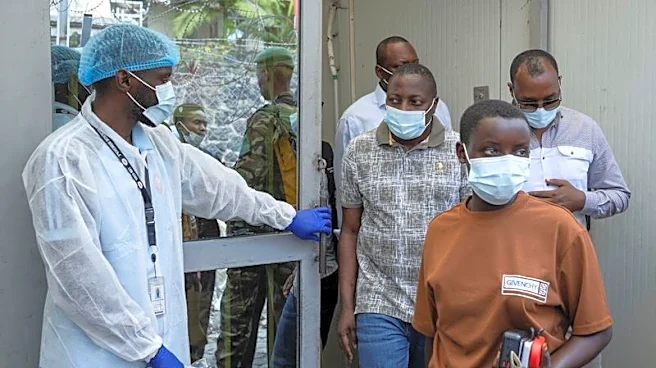
The World Health Organization (WHO) has declared that the Ebola outbreak in the Democratic Republic of Congo is 'spreading rapidly' and has upgraded the risk assessment to 'very high' at the national level. WHO Director-General Tedros Adhanom Ghebreyesus
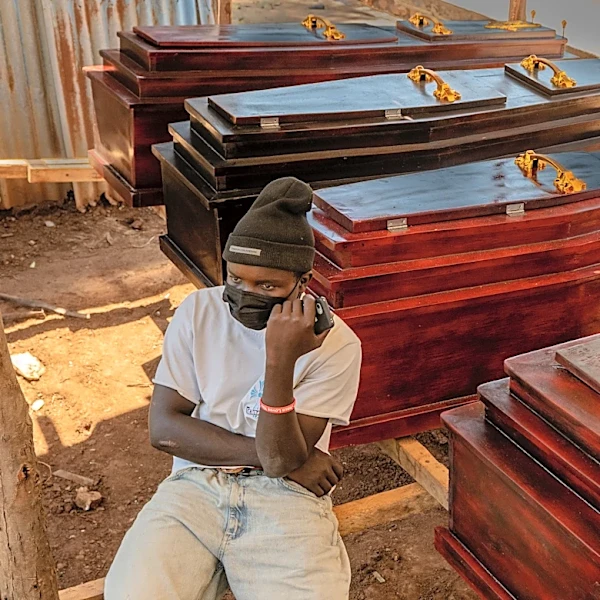
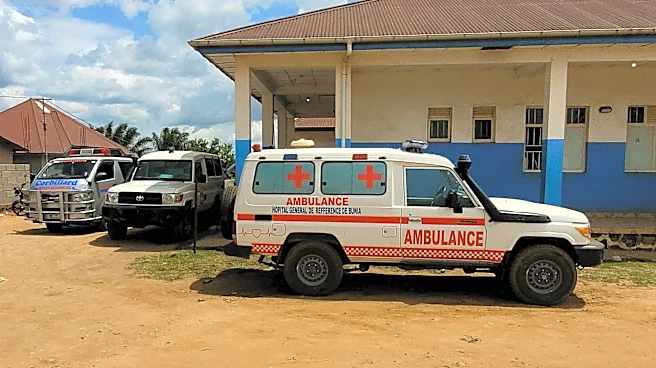
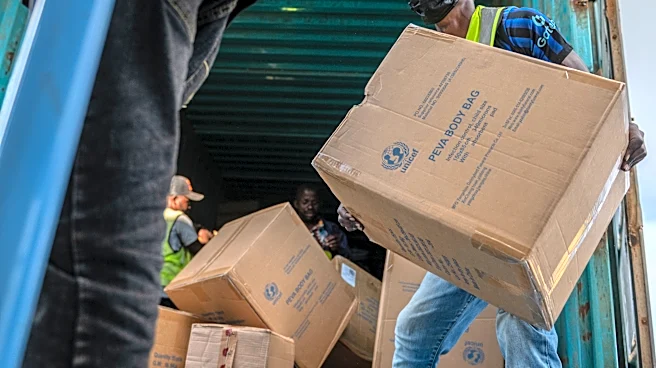
announced that the outbreak, which has confirmed 82 cases and seven deaths, is much larger than previously reported, with nearly 750 suspected cases and 177 suspected deaths. The situation in neighboring Uganda remains stable, with two confirmed cases and one death. In response, the United Nations has released $60 million from its Central Emergency Response Fund to aid the response efforts in Congo and the region. The United States has pledged $23 million to support the establishment of up to 50 Ebola treatment clinics in the affected areas of Congo and Uganda.
Why It's Important?
The escalation of the Ebola outbreak in Congo poses significant public health challenges, not only for the affected regions but also for neighboring countries. The rapid spread of the virus increases the risk of cross-border transmission, which could lead to a broader regional health crisis. The financial commitments from the United Nations and the United States highlight the international community's recognition of the urgent need for resources to contain the outbreak. The establishment of treatment clinics is crucial for managing the spread and providing care to those affected. The outbreak's progression underscores the importance of robust disease surveillance systems and international cooperation in addressing global health emergencies.
What's Next?
The WHO and international partners will likely intensify their efforts to contain the outbreak, focusing on enhancing surveillance, treatment, and preventive measures in the affected regions. The deployment of additional resources and personnel will be critical in managing the situation. Neighboring countries may increase border health checks and collaborate on cross-border health initiatives to prevent further spread. The international community will continue to monitor the situation closely, with potential for additional funding and support if the outbreak worsens.