





What's Happening?
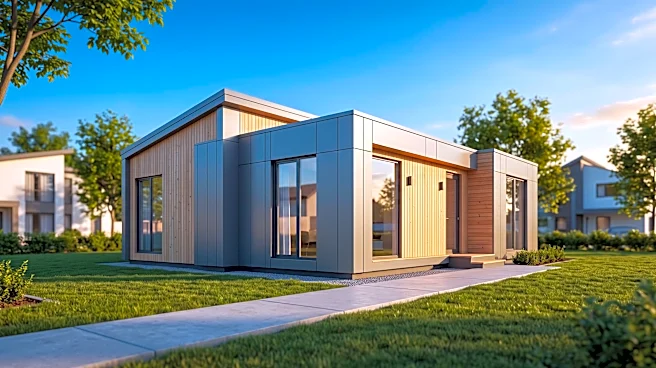
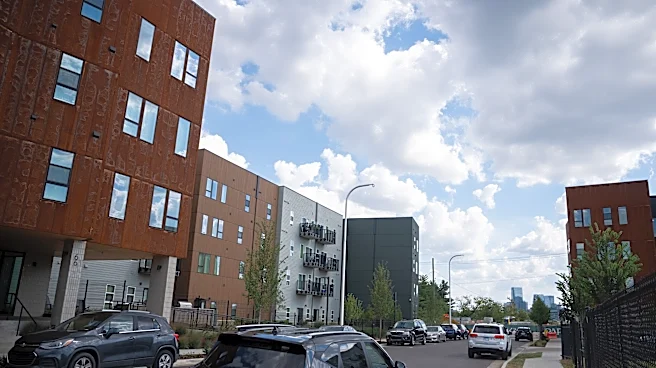
Salt Lake City has initiated construction on a new affordable housing development named Camden Court, located near 1300 South and 400 West. This project aims to introduce 96 affordable rental units for families into the city's housing market. The groundbreaking
ceremony involved city officials, Chelsea Investment Corporation, SLC Community Reinvestment Agency, and private financial partners like Citi Bank. The initiative comes as Salt Lake City continues to grapple with high housing costs, with some renters, like Amanda Arnette, paying approximately $1,600 per month for a 500-square-foot studio apartment. Despite a recent surplus of apartments leading to incentives for renters, experts like Claudia O’Grady, Vice President of Multifamily Finance and Development at the Utah Housing Corporation, indicate that these incentives are temporary and housing demand and rents are expected to rise again within 18 to 24 months. The city has added 48 housing projects since 2020, yet the need for affordable housing remains significant.
Why It's Important?
The development of Camden Court is a crucial step in addressing Salt Lake City's persistent affordable housing crisis. High housing prices in Utah continue to exceed what typical household incomes can afford, making affordable rental units vital for residents to save money and improve their financial stability. While the 96 units represent a small fraction of the overall housing need, they contribute to increasing the supply of accessible housing options. The project also highlights the collaborative efforts between public and private entities to tackle a pressing social issue. The anticipated tapering off of rental incentives and a projected uptick in housing demand and rents underscore the long-term importance of such initiatives to prevent further strain on residents and maintain economic stability within the community. Without continued efforts to expand affordable housing, the city risks exacerbating economic disparities and hindering the ability of lower and middle-income families to reside within its limits.
What's Next?
The Camden Court development will proceed with construction, with the goal of opening the 96 affordable units for families. As the project progresses, it will be important to monitor its impact on the local housing market and the broader availability of affordable rentals. City officials and housing corporations will likely continue to assess market data to identify further needs and potential locations for future affordable housing initiatives. The expectation of rising housing demand and rents in the next 18 to 24 months suggests that more such projects will be necessary to keep pace with the growing population and economic pressures. Stakeholders will also be observing whether the current trend of rental incentives fully dissipates and how that affects the overall housing landscape in Salt Lake City. The success of Camden Court could serve as a model for similar collaborations in other areas facing housing shortages.
Beyond the Headlines
The ongoing struggle for affordable housing in Salt Lake City, despite a recent surge in apartment construction, points to deeper systemic issues within urban development and economic policy. The temporary nature of rental incentives, driven by a surplus, highlights the cyclical and often volatile nature of real estate markets. This situation raises questions about the sustainability of current development models and the need for more consistent, long-term strategies to ensure housing accessibility. The emphasis on affordable rental units also underscores a shift in housing priorities, recognizing that homeownership is increasingly out of reach for many. Furthermore, the involvement of private financial partners alongside public agencies suggests a growing recognition that market forces alone cannot solve the affordable housing crisis, necessitating hybrid solutions that blend social welfare with economic investment. This trend could lead to innovative financing models and policy frameworks aimed at creating more resilient and equitable housing ecosystems in rapidly growing urban centers.