


What's Happening?
The current El Niño event is setting unprecedented records for sea surface temperatures in the Pacific, with scientists predicting it could become the strongest on record. This natural climate pattern, which involves the warming of seawater, is expected
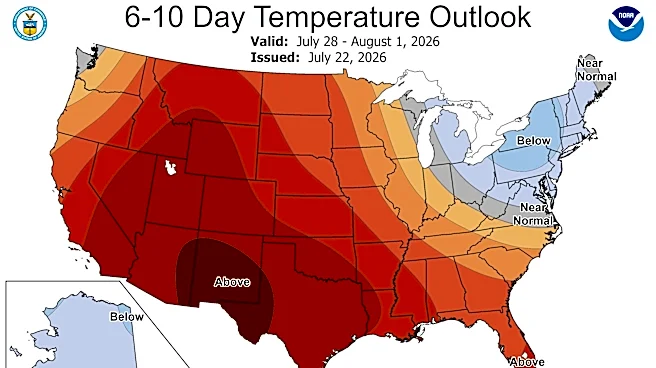
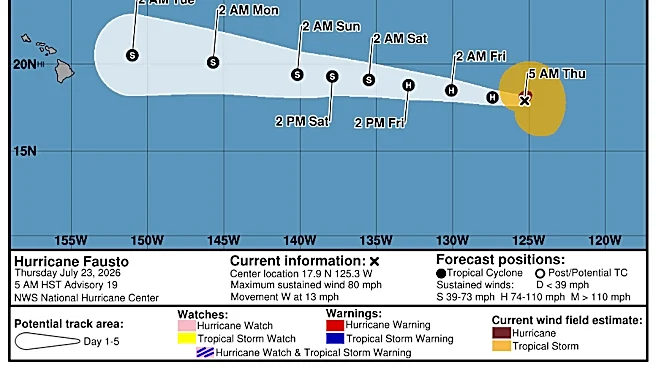
to significantly influence global weather patterns over the next 12 to 18 months. The National Oceanic and Atmospheric Administration (NOAA) has reported that water temperatures in the El Niño region have reached unprecedented levels for July. The phenomenon is anticipated to exacerbate global temperatures, potentially making 2026 the warmest year on record. The event is already affecting the U.S., with unusual heat and humidity in California and a suppression of Atlantic hurricane activity.
Why It's Important?
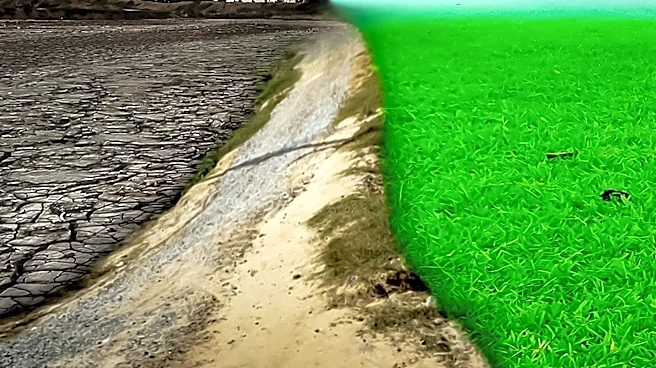
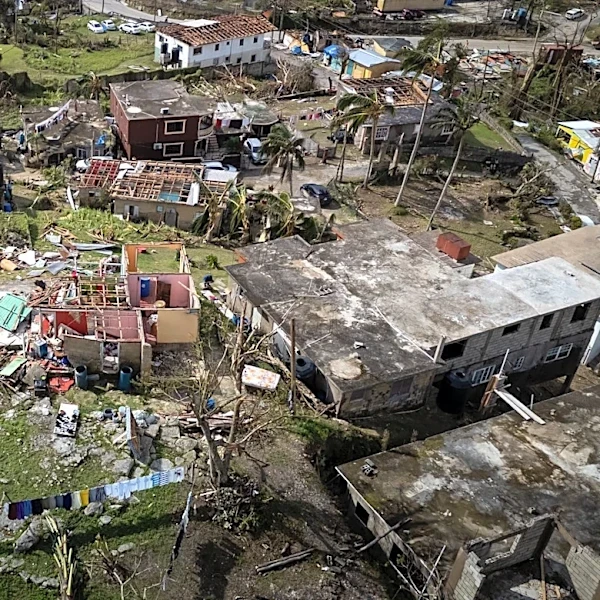
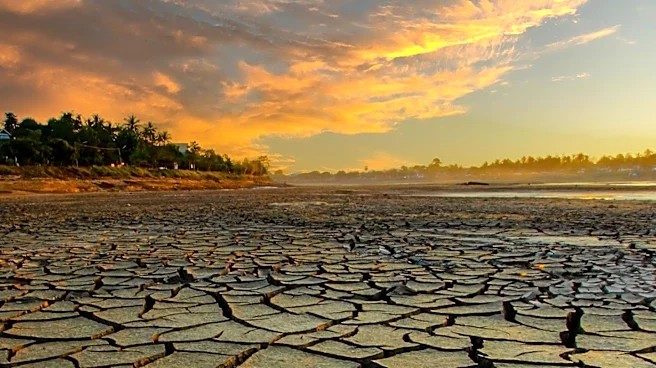
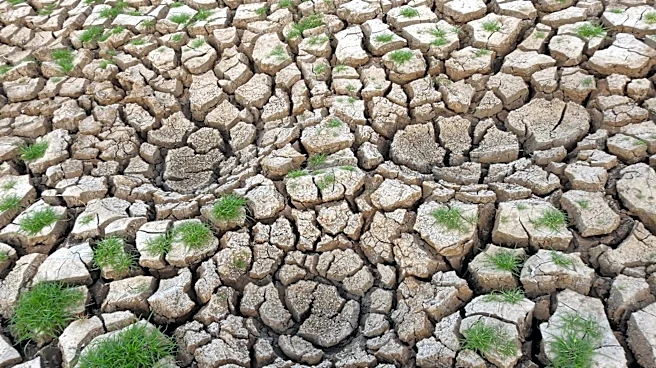
The intensification of El Niño, combined with ongoing climate change, poses significant risks to global weather stability. The potential for record-breaking global temperatures could lead to severe weather events, including droughts, heavy rainfall, and heatwaves. These conditions threaten agricultural productivity, water resources, and could result in economic losses amounting to trillions of dollars. In the U.S., states like California may experience more intense winter storms, while other regions could face droughts and wildfires. The economic and environmental impacts of such extreme weather events could be profound, affecting food security, infrastructure, and public health.
What's Next?
As El Niño continues to develop, scientists and policymakers will closely monitor its progression and impacts. The event's peak is expected later this year, and its effects will likely be felt well into 2027. Governments and organizations may need to prepare for potential disasters, implementing strategies to mitigate the impacts on vulnerable communities and economies. The scientific community will also focus on improving predictive models to better understand and anticipate the complex interactions between El Niño and global climate change.