






What's Happening?
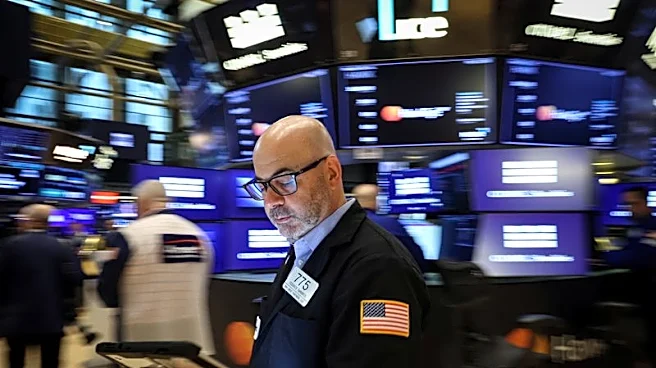
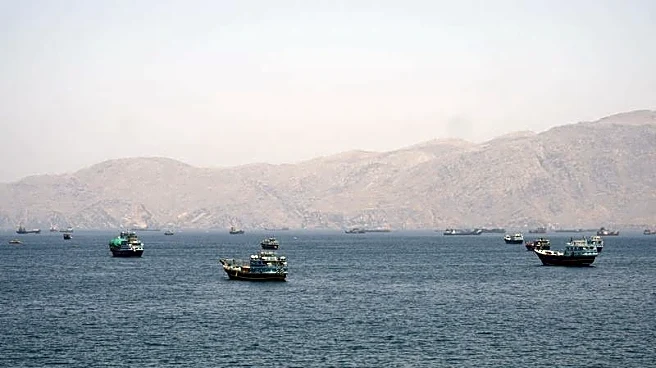
Global markets are maintaining stability despite recent clashes between U.S. and Iranian forces in the Strait of Hormuz. The exchange of fire has raised concerns about the durability of the ceasefire, yet both sides have indicated that the ceasefire remains
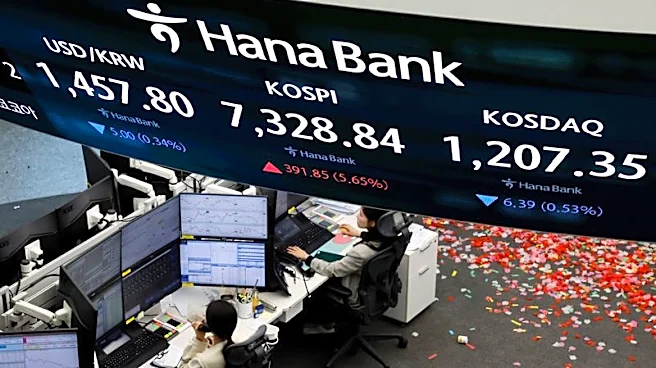
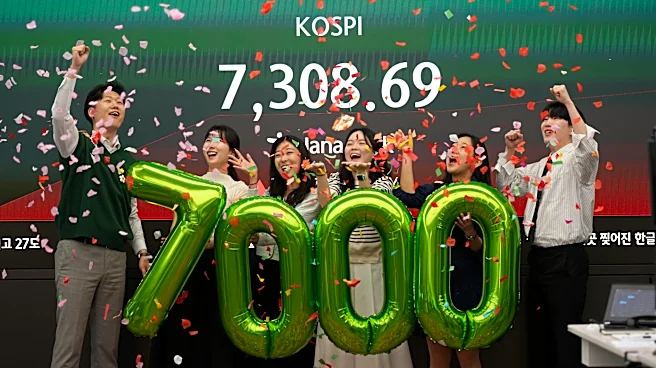
intact. Oil prices have risen to approximately $101 per barrel due to ongoing supply concerns. In Asia, markets have shown resilience, with South Korea's KOSPI index experiencing significant gains driven by strong performances in AI-related stocks. Meanwhile, Toyota has forecasted a 20% decline in annual operating profit, attributing the downturn to cost and supply uncertainties linked to the Iran conflict.
Why It's Important?
The stability of global markets amid geopolitical tensions underscores the resilience of investors and the influence of broader economic trends. The situation in the Strait of Hormuz is critical, as it is a major chokepoint for global oil shipments. Any prolonged disruption could have significant implications for global oil supply and prices, affecting industries and economies worldwide. The performance of Asian markets, particularly the surge in AI stocks, highlights the growing importance of technology sectors in driving economic growth. Toyota's profit forecast reflects the broader impact of geopolitical tensions on global supply chains and corporate earnings.
What's Next?
The continuation of the ceasefire between the U.S. and Iran will be closely monitored by global markets. Any escalation could lead to increased volatility in oil prices and broader economic uncertainty. Investors will also be watching upcoming economic data, such as U.S. jobs figures and German trade data, for further insights into global economic health. Companies like Toyota may need to adjust their strategies to navigate ongoing supply chain challenges and geopolitical risks.