








What's Happening?
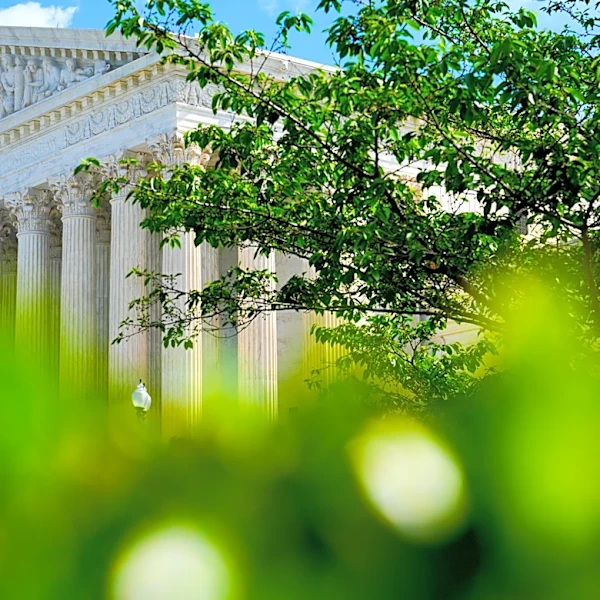
The U.S. Supreme Court is set to review the Securities and Exchange Commission's (SEC) authority to recoup illicit profits through disgorgement. This legal tool allows the SEC to recover profits obtained through illegal activities and return them to victims.
Critics argue that the SEC's use of disgorgement lacks clear limits and could be misused to impose excessive penalties. The case under review involves Ongkaruck Sripetch, accused of fraudulent schemes involving penny stocks. The SEC seeks to enforce disgorgement without proving direct harm to victims, a point contested by Sripetch. The outcome of this case could redefine the SEC's enforcement capabilities.
Why It's Important?
The Supreme Court's decision will have significant implications for the SEC's enforcement strategy and its ability to deter securities fraud. Disgorgement is a critical tool for the SEC to ensure that wrongdoers do not profit from illegal activities. However, the lack of clear guidelines on its application raises concerns about potential overreach and fairness in enforcement. A ruling that limits the SEC's disgorgement powers could weaken its ability to protect investors and maintain market integrity. Conversely, upholding broad disgorgement powers could lead to criticisms of regulatory overreach and impact the SEC's relationship with the financial industry.
What's Next?
The Supreme Court is expected to issue a ruling by July. The decision will clarify the legal standards for disgorgement and potentially prompt legislative action to define the SEC's authority more clearly. Financial industry stakeholders, including investors and companies, will closely watch the outcome, as it will affect compliance strategies and enforcement risks. The case also highlights broader debates about regulatory power and the balance between enforcement and economic freedom.