


What's Happening?
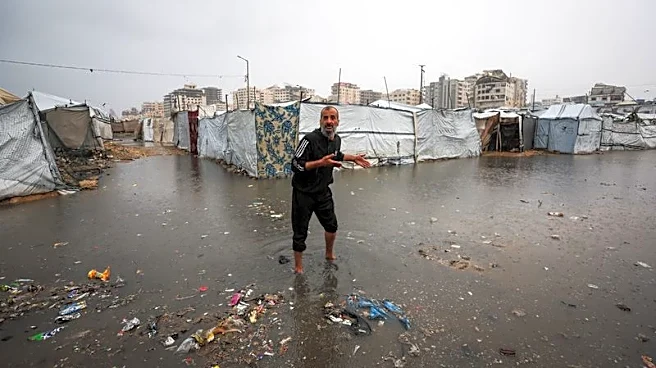
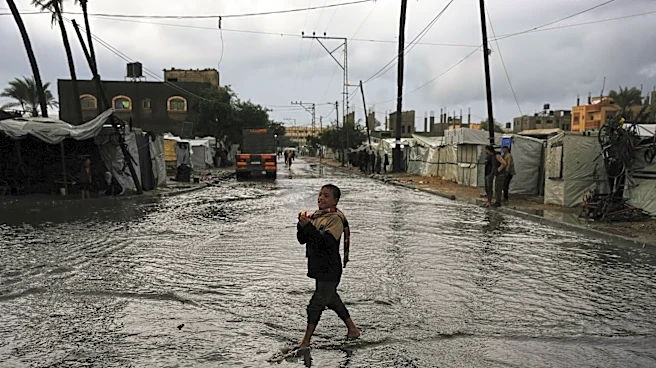
The United Nations has deemed Israel's response to the recent flooding in the Gaza Strip as insufficient, according to UN Deputy Spokesperson Farhan Haq. Heavy rains over the weekend caused widespread damage, flooding camps for displaced people, and destroying
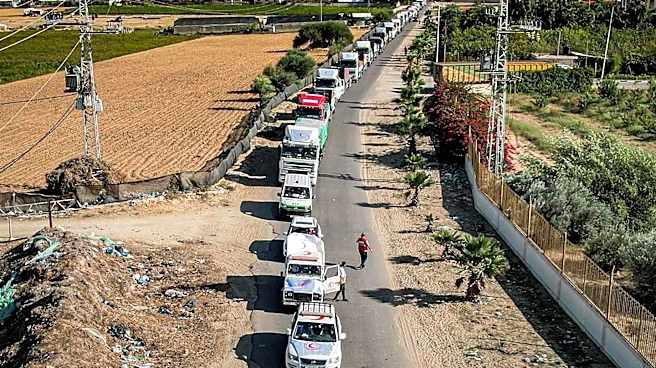
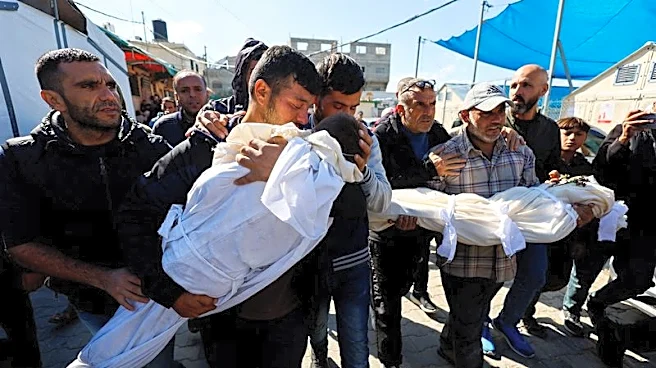
thousands of tents. The UN Office for the Coordination of Humanitarian Affairs reported that over 26,000 households have sustained damage to their shelters or property. Tragically, an infant drowned, and three other children along with at least one woman died when a sand dune collapsed onto their tents. The UN states that while more temporary housing is available, its delivery to Gaza requires authorization from Israeli authorities to pass through checkpoints. Currently, more than 150,000 tents are awaiting shipment outside Gaza. Humanitarian teams are actively engaged in pumping water, improving drainage, reinforcing displacement sites with sandbags, and distributing emergency aid, but they lack the necessary equipment to address a crisis of this magnitude.
Why It's Important?
This situation highlights a critical humanitarian crisis in the Gaza Strip, exacerbated by natural disaster and existing geopolitical constraints. The UN's call for Israel to permit the entry of additional temporary shelter materials and winter supplies underscores the urgent need for humanitarian access and aid. The inability to deliver essential relief items, such as tents and winter preparations, directly impacts the safety and well-being of thousands of displaced individuals, particularly vulnerable populations like children. The reported deaths and extensive property damage illustrate the severe consequences of inadequate infrastructure and limited resources in a densely populated and conflict-affected area. The Board of Peace's appeal to Israel to allow goods for winter preparations suggests that delays have worsened an already foreseeable humanitarian emergency, emphasizing the need for immediate and unhindered humanitarian operations.
What's Next?
The UN and its humanitarian partners will likely continue to press Israeli authorities for permission to deliver essential shelter materials and winter supplies into Gaza. The Board of Peace has specifically called on Israel to immediately allow the entry of these goods. Humanitarian teams on the ground will persist in their efforts to mitigate the impact of the flooding, including water pumping, drainage improvements, and aid distribution, despite equipment shortages. The ongoing strikes on populated areas of Gaza, as reported by Farhan Haq, indicate a continued need for the protection of civilians in accordance with international humanitarian law. The situation also calls for sustained international attention and potential diplomatic efforts to facilitate humanitarian access and address the underlying issues contributing to the vulnerability of the population in Gaza.
Beyond the Headlines
The insufficient response to the Gaza flooding, as described by the UN, points to deeper systemic challenges in humanitarian aid delivery within conflict zones. The reliance on authorization from Israeli authorities for the entry of basic necessities like tents raises questions about the balance between security concerns and humanitarian imperatives. This incident could further fuel debates on international humanitarian law and the responsibilities of occupying powers or controlling authorities in ensuring the welfare of civilian populations. The call for Hamas to disarm and transfer governing authority, as mentioned by the Board of Peace, adds a political dimension to the humanitarian crisis, suggesting that long-term solutions are intertwined with broader peace and governance issues in the region. The repeated calls for civilian protection underscore the ongoing human cost of the conflict.