






What's Happening?
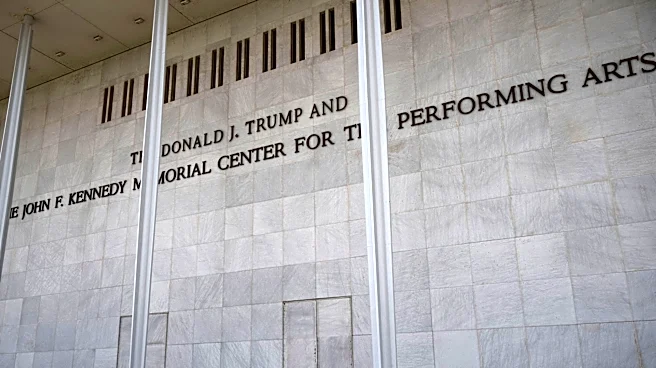
A judge has dismissed a breach of contract lawsuit filed by the Kennedy Center against jazz musician Chuck Redd. The lawsuit was initiated after Redd canceled his performance at the Kennedy Center's Christmas Eve event, following the announcement that
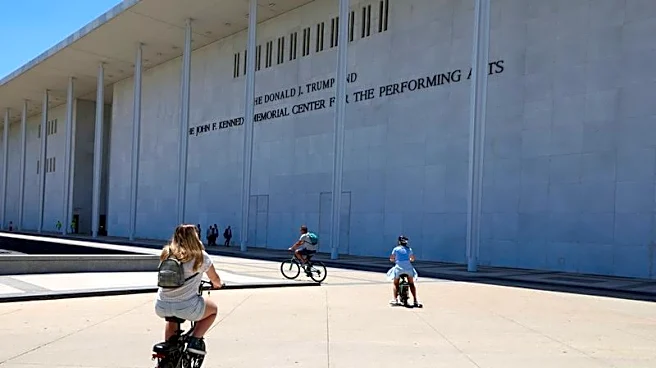
President Trump's name would be added to the facility. Redd's decision to withdraw was met with a demand for $1 million in damages from Richard Grenell, then-president of the Kennedy Center, who labeled the cancellation as a 'political stunt.' The court found no legally binding agreement between Redd and the Kennedy Center, leading to the dismissal of the case. The ruling was made under the District of Columbia's anti-SLAPP law, which protects against lawsuits intended to silence public participation.
Why It's Important?
This ruling highlights the intersection of politics and the arts, particularly how political decisions can impact cultural institutions and their stakeholders. The case underscores the legal protections available to individuals who express dissent against political actions, emphasizing the importance of free speech. The dismissal of the lawsuit may set a precedent for similar cases where artistic expression and political decisions collide. It also reflects the ongoing debate over the legacy and commemoration of political figures in public spaces, which can influence public perception and the operations of cultural institutions.
What's Next?
The Kennedy Center may need to reassess its approach to contractual agreements and public relations, especially in politically sensitive contexts. The decision to remove President Trump's name from the center's facade and website, as ordered by another judge, suggests potential further legal and administrative actions. Stakeholders in the arts community might continue to monitor how political affiliations and decisions affect their engagements and contracts with public institutions. The case could encourage other artists to voice their opinions on political matters without fear of legal repercussions.
Beyond the Headlines
The case raises questions about the role of cultural institutions in political discourse and the extent to which they should engage in or distance themselves from political controversies. It also highlights the potential for legal frameworks like the anti-SLAPP law to protect individuals from retaliatory lawsuits, promoting a more open and participatory public dialogue. The decision may influence how other institutions handle similar situations, balancing political affiliations with their cultural missions.