







What's Happening?
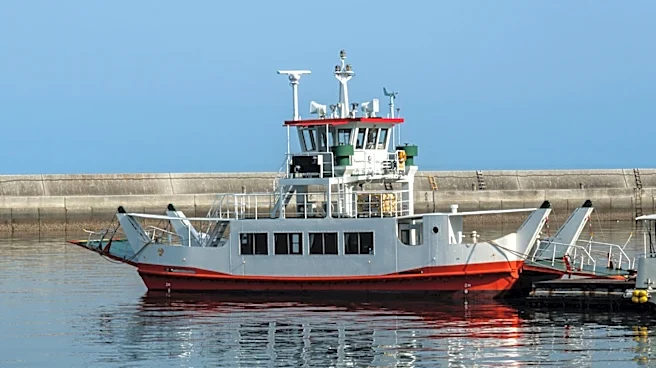
A government ferry, the MV Barima, carrying 133 passengers and crew members capsized off the coast of Guyana. The incident occurred as the ferry was traveling from Georgetown to Port Kaituma. So far, 67 individuals have been rescued, including 41 men,
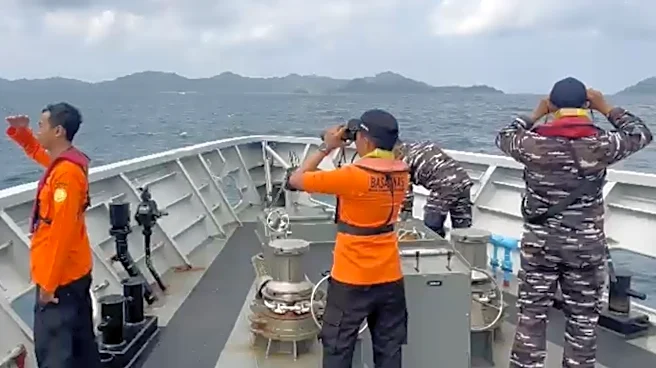
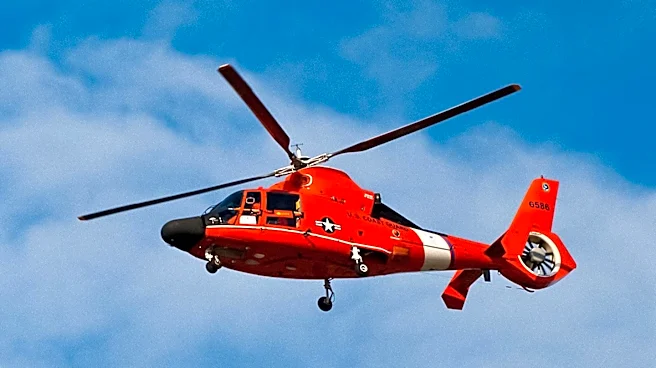
11 women, and 15 children. The search and rescue operation, led by Guyanese Prime Minister Mark Phillips, is ongoing, with helicopters, planes, and fishing vessels scanning a 1,000-square-mile area. The ferry, which makes weekly trips to Indigenous communities near Venezuela, capsized near the Pomeroon River. Public Works Minister Juan Edghill stated that the vessel was equipped with life jackets and rafts, and denied claims of overloading, attributing the incident to tidal conditions.
Why It's Important?
The capsizing of the MV Barima highlights the vulnerabilities in maritime safety and emergency response in the region. The incident underscores the challenges faced by transportation services in remote areas, particularly those serving Indigenous communities. The ongoing search and rescue efforts are critical in determining the fate of the missing passengers and ensuring accountability for maritime safety standards. This event may prompt a review of safety protocols and emergency preparedness for similar ferry services, potentially leading to policy changes to prevent future tragedies.
What's Next?
Authorities will continue the search and rescue operations to locate the missing passengers. An investigation into the cause of the capsizing will likely follow, focusing on the vessel's condition, crew actions, and environmental factors. The outcome of this investigation could lead to regulatory changes in ferry operations and safety measures. Additionally, support and aid for the affected families and communities will be a priority for the government and local organizations.