


What's Happening?
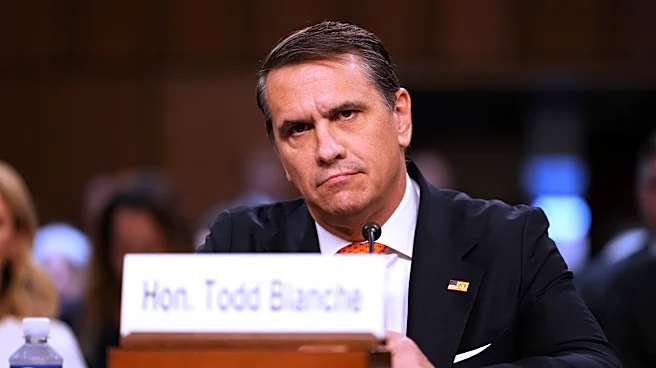
Republican Senator John Kennedy has raised concerns over the Federal Communications Commission's (FCC) recent investigations into network content, suggesting that the agency may be encroaching on First Amendment rights. During a Senate Judiciary confirmation
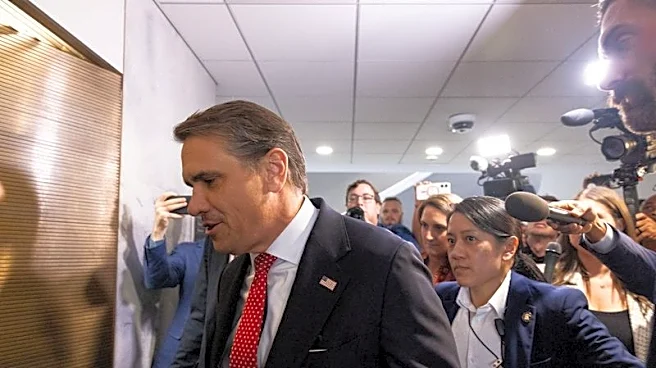
hearing, Kennedy questioned FCC General Counsel Adam Candeub about the agency's authority to scrutinize television networks that criticize political figures. Candeub, nominated by President Trump to lead the Justice Department's Antitrust Division, faced inquiries regarding the FCC's actions, which include investigating ABC's compliance with the Equal Time Rule and ordering early renewal of its broadcast licenses. FCC Chairman Brendan Carr, appointed by Trump, has initiated multiple investigations into network practices, including diversity and the editing of a '60 Minutes' interview with Kamala Harris. The FCC's actions have been criticized as potential regulatory retaliation against networks disfavored by Trump.
Why It's Important?
The FCC's scrutiny of network content raises significant concerns about the balance between regulatory oversight and freedom of speech. The agency's actions could set a precedent for how media organizations are regulated, potentially impacting the editorial independence of broadcasters. This situation highlights the tension between government authority and media freedom, with implications for how political criticism is handled by regulatory bodies. The outcome of these investigations could influence future media practices and the extent to which government agencies can intervene in content deemed unfavorable. Stakeholders in the media industry, including broadcasters and journalists, may face increased pressure and uncertainty regarding their content decisions.
What's Next?
The FCC has not yet issued a decision on its investigations, leaving the media industry in a state of anticipation. The confirmation of Adam Candeub as head of the Justice Department's Antitrust Division could further influence the direction of these investigations. Political leaders and media organizations are likely to continue debating the appropriate level of government oversight in media content. The outcome of these discussions and any subsequent regulatory actions will be closely watched by both media professionals and advocates of free speech. Additionally, the potential antitrust implications of media mergers, such as the Paramount-Warner Bros. Discovery deal, remain a contentious issue that could see further legal challenges.