



What's Happening?
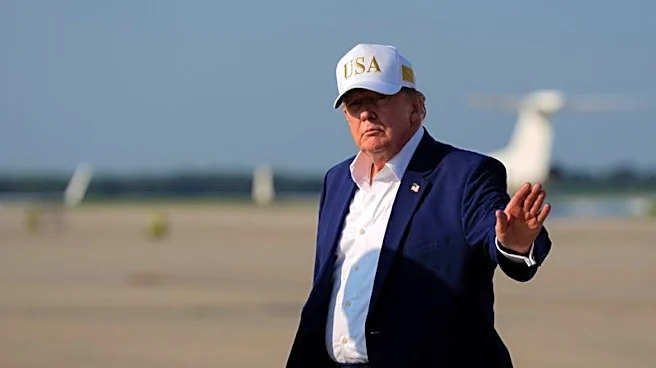
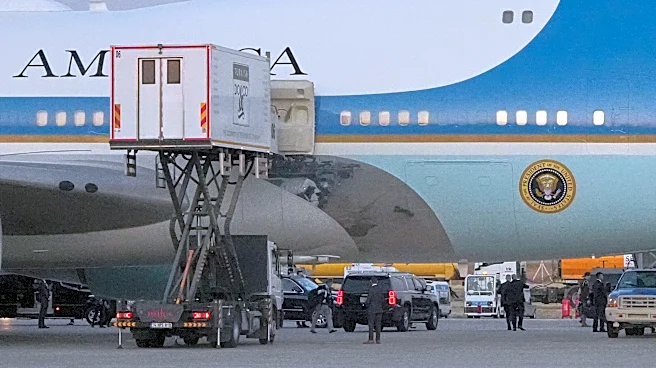
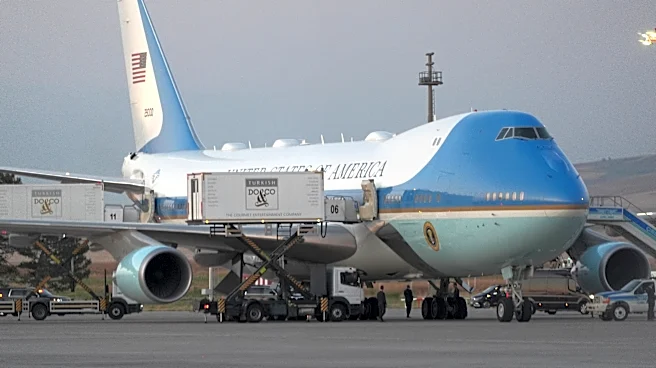
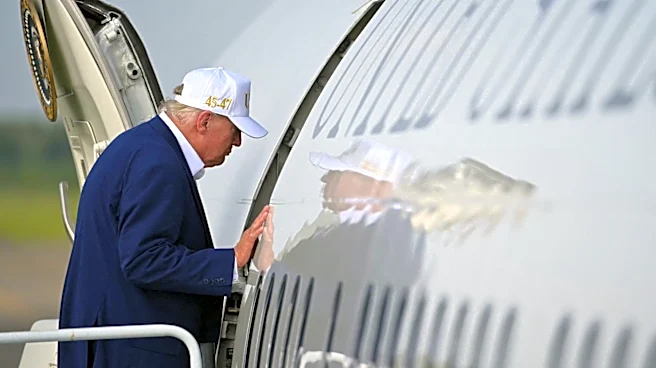
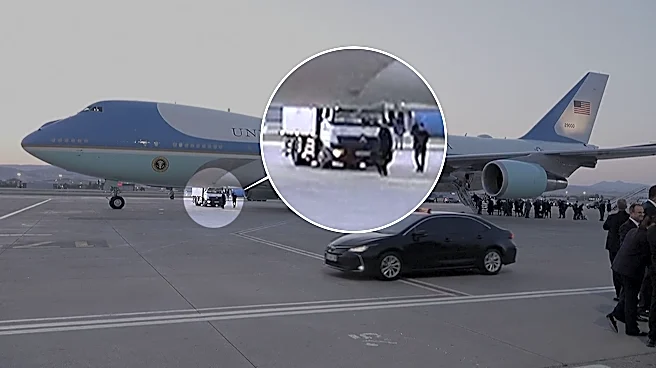
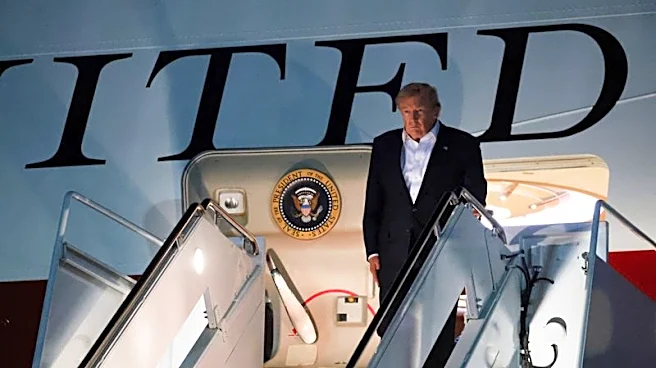
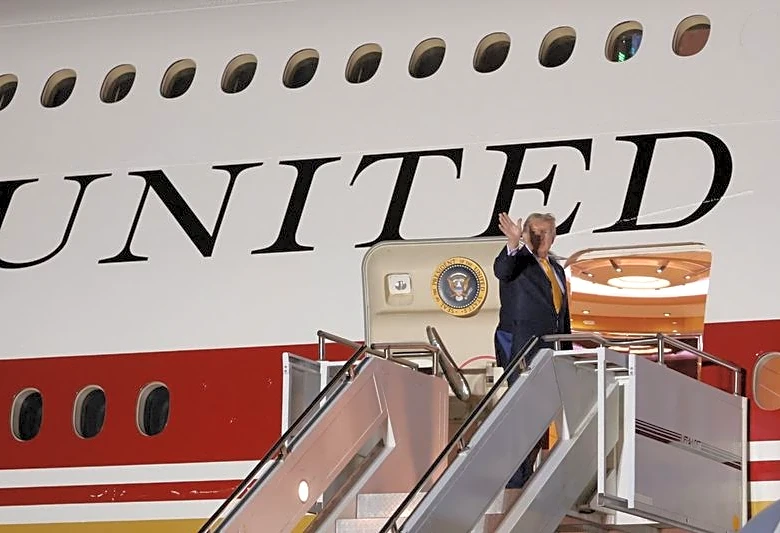
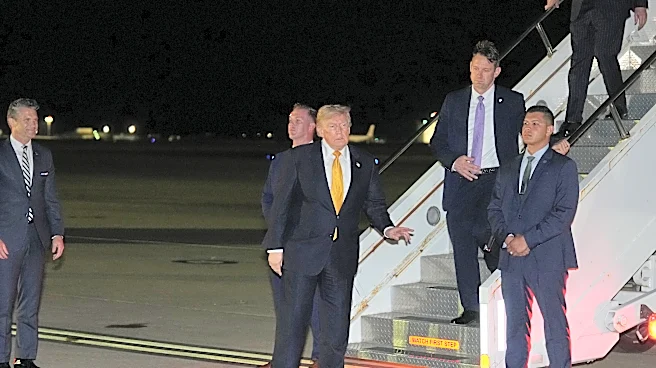
A report by The Washington Post has revealed that the Secret Service employed a covert operation to smuggle President Trump out of Turkey due to an Iranian assassination threat. The operation involved using a catering truck and a secret plane to ensure
the safety of President Trump. Paul Eckloff, a former supervisor of the Presidential Protective Division of the Secret Service, discussed the details of this operation. Additionally, President Trump recently signed an executive order reducing the number of recommended childhood vaccines, a move that has sparked discussions among healthcare professionals. Meanwhile, recovery efforts are ongoing in Spokane, Washington, following devastating wildfires, with insights being shared by Tom Clemo, a deputy fire chief from the Santa Monica Fire Department, based on his experiences with previous wildfires in Los Angeles County.
Why It's Important?
The revelation of the Secret Service's operation underscores the ongoing geopolitical tensions and the lengths to which security agencies must go to protect high-profile figures like President Trump. This incident highlights the persistent threats faced by U.S. leaders abroad and the complex security measures required to mitigate such risks. The executive order on childhood vaccines could have significant implications for public health policy, potentially affecting vaccination rates and public health outcomes. The ongoing wildfires in Washington state emphasize the increasing frequency and severity of such natural disasters, likely linked to broader climate change issues, and the need for effective disaster management strategies.
What's Next?
The disclosure of the Secret Service's operation may prompt further inquiries and discussions among lawmakers regarding the security protocols for protecting U.S. officials abroad. The executive order on vaccines may lead to debates within the medical community and among policymakers about the balance between public health recommendations and individual choice. In Washington, recovery efforts will continue, with lessons learned from past wildfires being applied to improve response and preparedness for future incidents.