





What's Happening?
Rabies causes hydrophobia, a severe symptom characterized by painful throat spasms triggered by swallowing, or even the anticipation of it, rather than a psychological fear of water. The virus targets the brainstem, the area responsible for coordinating
swallowing and protecting the airway. When the virus disrupts inhibitory signals in this region, the airway-protecting reflexes become hyperactive, firing violently at the mere approach of liquid. This results in a whole-body spasm of the pharynx, larynx, and diaphragm, creating a sensation akin to choking and suffocating. Patients learn to associate water with this intense pain, leading to avoidance. This symptom is part of the 'furious form' of rabies, though about 20% of cases manifest as a 'paralytic form' where hydrophobia may not appear. The virus travels slowly along nerve fibers from the bite site to the brain, with an incubation period typically lasting two to three months, which is why prompt post-exposure care is critical for prevention.
Why It's Important?
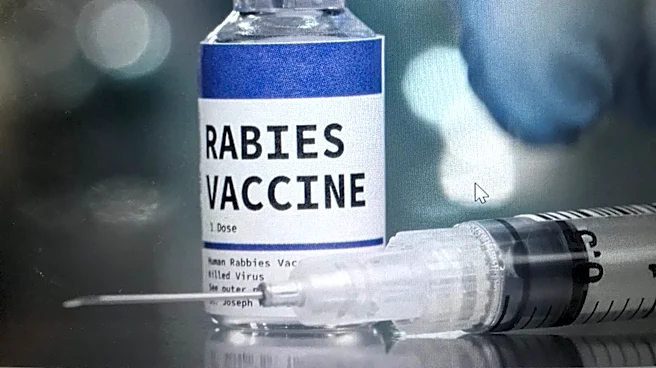
Understanding the neurological basis of hydrophobia in rabies is crucial for accurate diagnosis, public health messaging, and effective prevention strategies. Misinterpreting hydrophobia as a psychological fear can delay recognition of the disease, which is almost always fatal once symptoms appear. The knowledge that the virus directly damages brainstem functions underscores the urgency of post-exposure prophylaxis (PEP) following any potential exposure. This includes thorough wound washing and immediate medical assessment for immunizations and ready-made antibodies. Public awareness campaigns can leverage this information to emphasize that rabies is a medical emergency requiring swift action, not just observation of symptoms. Furthermore, differentiating rabies-induced hydrophobia from aquaphobia (a psychological fear of water) prevents misdiagnosis and ensures appropriate medical intervention, highlighting the critical role of neurological understanding in managing this deadly disease.
What's Next?
Continued efforts in public health education will focus on clarifying the nature of hydrophobia in rabies to ensure timely medical intervention. Research may further explore the precise mechanisms of viral interaction with brainstem neurons to identify potential therapeutic targets, although current treatments after symptom onset are largely ineffective. Global health organizations will persist in promoting mass dog vaccination campaigns, as this remains the most cost-effective strategy to break the chain of transmission, particularly in regions where rabies is endemic. Enhanced surveillance and rapid diagnostic tools are also critical to identify cases early and prevent further spread. For individuals, the emphasis will remain on immediate wound care and seeking medical attention after any animal bite, especially from high-risk animals like bats, raccoons, or unvaccinated dogs, as prevention before symptoms appear is the only reliable way to survive rabies.
Beyond the Headlines
The neurological devastation caused by the rabies virus, particularly its manipulation of fundamental reflexes like swallowing, offers a chilling insight into how pathogens can hijack complex biological systems. This specific mechanism of hydrophobia, where a life-sustaining act becomes a source of agony, highlights the intricate balance of the nervous system and the profound impact when it is disrupted. Ethically, the near-certain fatality once symptoms manifest underscores the moral imperative for widespread vaccination programs and accessible post-exposure care, especially in vulnerable populations. Culturally, the historical fear and misunderstanding surrounding rabies, often depicted dramatically in media, can be reframed by scientific understanding, promoting a more informed public response. The virus's 'elegance' in ensuring its transmission through symptoms like drooling and agitation also serves as a stark reminder of evolutionary pressures and the relentless drive for survival at a microbial level, prompting deeper reflection on human-pathogen interactions.