




What's Happening?
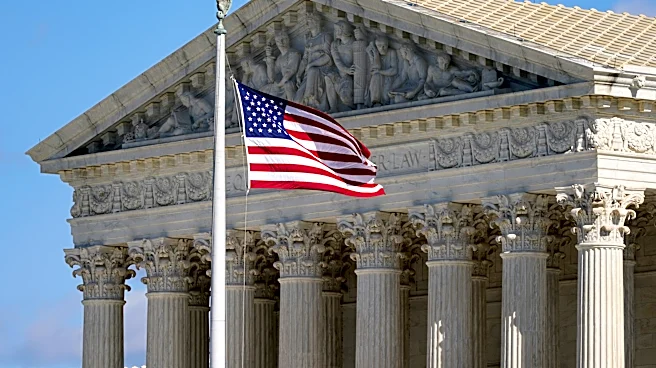
Governors Kay Ivey of Alabama and Bill Lee of Tennessee have announced special legislative sessions to address redistricting in response to a recent Supreme Court decision affecting the Voting Rights Act. The ruling has prompted states to reassess their
congressional maps to ensure compliance with federal law. Tennessee's session is set to begin next week, with Republicans aiming to potentially flip the Memphis-based 9th District. In Alabama, Governor Ivey seeks to prepare for possible court rulings that could impact the state's congressional and state senate maps. The decision to call a special session marks a shift from Ivey's initial stance and reflects ongoing legal challenges to Alabama's redistricting efforts.
Why It's Important?
The Supreme Court's decision has significant implications for redistricting efforts across the United States, particularly in states with contentious political landscapes. The call for special sessions in Alabama and Tennessee underscores the urgency for states to align their congressional maps with legal standards, potentially affecting the balance of political power. These developments could influence the outcome of upcoming midterm elections, as redistricting can alter the composition of electoral districts, impacting party representation. The actions taken by these states may set precedents for others facing similar challenges, highlighting the ongoing national debate over voting rights and electoral fairness.
What's Next?
As Alabama and Tennessee convene their special sessions, lawmakers will work to draft new congressional maps that comply with the Supreme Court's ruling. The outcomes of these sessions could lead to further legal challenges, particularly if the new maps are perceived as favoring one party over another. The decisions made in these sessions will be closely watched by other states, potentially influencing their own redistricting processes. Additionally, the political ramifications of these changes will play out in the upcoming midterm elections, where shifts in district boundaries could impact party control in Congress.