





What's Happening?
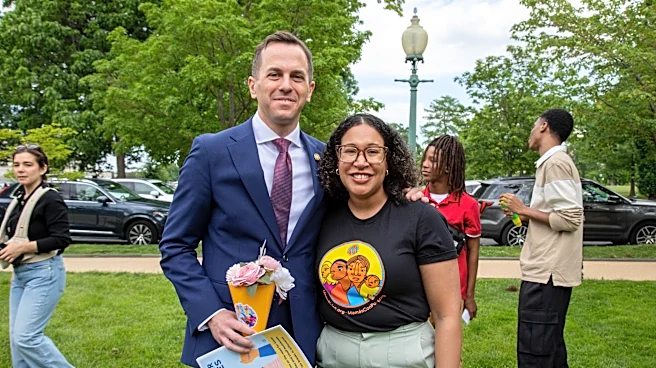
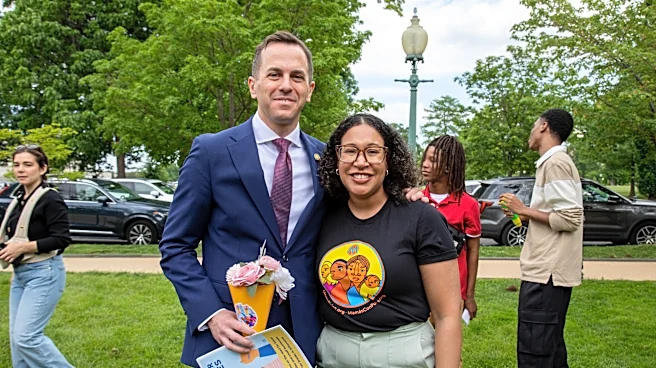
Congresswomen Maxine Dexter, M.D. (OR-03) and Suzanne Bonamici (OR-01) have introduced the Postsecondary Attainment Through Housing Supports (PATHS) Demonstration Act. This proposed legislation aims to establish a federal pilot program designed to assist
college students experiencing homelessness or those at risk of losing their housing. The bill seeks to pair stable housing with essential support services such as tutoring, childcare, and transportation to help students remain enrolled and complete their degrees. According to the Congresswomen, approximately one in seven college students nationwide faced homelessness between 2023 and 2024, with nearly half experiencing housing insecurity. The PATHS Act would direct the U.S. Department of Education, in collaboration with the U.S. Department of Housing and Urban Development, to award competitive grants of up to $2 million over five years. These grants would be allocated to nonprofit housing providers partnering with colleges, including community colleges, to supplement existing housing and education funding.
Why It's Important?
The introduction of the PATHS Act highlights a significant and growing challenge within the U.S. higher education system: student housing insecurity. This issue not only impacts individual students' ability to complete their education but also has broader implications for workforce development and economic mobility. By addressing housing instability, the bill aims to remove a major barrier to academic success, potentially increasing graduation rates and reducing the long-term societal costs associated with homelessness and underemployment. The legislation's focus on wraparound support services recognizes that housing alone is often insufficient; students also need access to resources like childcare and transportation to thrive academically. If enacted, this pilot program could serve as a model for future federal initiatives, demonstrating the effectiveness of integrated housing and support services in improving educational outcomes for vulnerable student populations. This could lead to a more equitable and accessible higher education system, benefiting both students and the broader economy.
What's Next?
The PATHS Act will now proceed through the legislative process, requiring consideration and potential amendments in Congress. If passed, the U.S. Department of Education, in consultation with the U.S. Department of Housing and Urban Development, would be responsible for establishing the grant program. This would involve developing criteria for competitive grants, selecting eligible nonprofit housing providers, and overseeing the implementation of the pilot programs. Grantees would then use the funds to acquire, rehabilitate, or repurpose existing housing and connect students with critical services like case management, tutoring, mental health care, and career services. The program would prioritize specific student populations, including former foster youth, transition-aged youth, and student parents. The success of these pilot programs could influence future policy decisions regarding federal funding for student housing and support services, potentially leading to broader, more permanent programs to combat student homelessness.
Beyond the Headlines
The PATHS Act touches upon deeper societal issues beyond immediate housing needs, including the increasing cost of living, the affordability crisis in higher education, and the systemic challenges faced by vulnerable student populations. The bill's emphasis on former foster youth, transition-aged youth, and student parents underscores the disproportionate impact of housing insecurity on these groups, highlighting existing inequities within the educational system. By integrating housing with comprehensive support services, the legislation implicitly acknowledges the interconnectedness of basic needs and academic achievement. This holistic approach could set a precedent for how educational institutions and government agencies address student well-being, moving beyond a purely academic focus to encompass the broader social determinants of educational success. The long-term implications could include a re-evaluation of financial aid structures and a greater emphasis on community partnerships to create more supportive environments for all students.