





What's Happening?
The two pilots involved in a fatal plane crash in Alaska last month, which resulted in the deaths of all eight people on board, have been identified. Security Aviation named 73-year-old Dave Furber of Anchorage and 34-year-old Sergei Zelenkov II of Chugiak
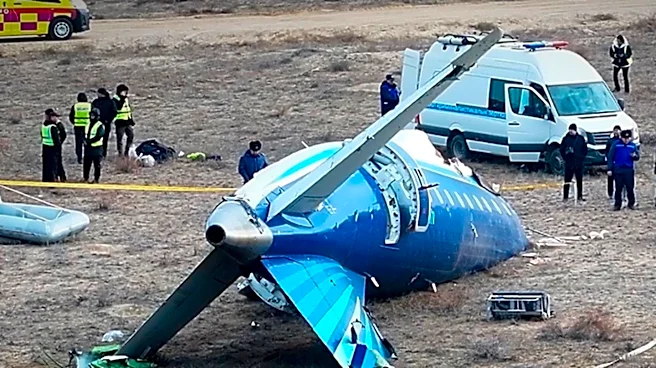
as the pilots of the twin-engine Cessna 441 Conquest aircraft. Both were employees of Security Aviation, which operated the chartered flight for the U.S. Army Corps of Engineers. The crash occurred on August 20 near the Cape Newenham Long Range Radar Site in western Alaska. The National Transportation Safety Board (NTSB) reported that the aircraft crashed on steep, rising terrain approximately a quarter-mile west of the airport runway. The flight crew was operating under instrument meteorological conditions due to low weather ceilings and thick fog, aborting their first landing attempt before crashing during their second approach in severely deteriorated weather with visibility less than three-quarters of a mile. The other six victims included two U.S. Army Corps of Engineers workers, three contractors, and a lieutenant from Joint Base Elmendorf-Richardson.
Why It's Important?
The identification of the pilots and the ongoing investigation into this tragic crash are crucial for understanding the factors contributing to aviation safety, particularly in challenging environments like Alaska. The NTSB's preliminary findings, indicating instrument meteorological conditions, low visibility, and aborted landing attempts, highlight the inherent risks of flying in adverse weather. This incident underscores the critical importance of pilot experience, decision-making under pressure, and the reliability of aircraft systems in such conditions. For the U.S. Army Corps of Engineers and the contractors involved, the loss of personnel represents a significant impact on their operations and projects. The incident will likely lead to a thorough review of flight protocols, weather assessment procedures, and potentially, the types of aircraft used for chartered flights in remote and challenging Alaskan terrain. The findings from the NTSB and FAA investigations could influence future aviation regulations and safety guidelines, aiming to prevent similar tragedies.
What's Next?
Both the National Transportation Safety Board (NTSB) and the Federal Aviation Administration (FAA) are actively investigating the cause of the crash. NTSB Alaska Regional Office Chief Clint Johnson confirmed that a six-member team was deployed to the remote and steep crash site to recover the highly fragmented wreckage, coordinating a specialized helicopter logistics operation. The investigation will involve analyzing flight data, cockpit voice recordings (if available), aircraft maintenance records, and pilot qualifications and experience. The NTSB will also examine weather conditions in detail and the air traffic control communications leading up to the crash. The findings from these investigations will be compiled into a comprehensive report, which will identify the probable cause of the accident and may include safety recommendations. These recommendations could lead to changes in aviation procedures, training, or equipment, particularly for flights operating in remote and challenging weather conditions.
Beyond the Headlines
This tragic event extends beyond the immediate loss of life, touching upon the broader challenges of aviation in remote and harsh environments, a common reality in Alaska. The reliance on chartered flights for essential personnel, such as those from the U.S. Army Corps of Engineers and contractors, highlights the critical role of small aviation companies in supporting infrastructure and development in areas inaccessible by other means. The incident also brings to light the human element of aviation safety, where even skilled and experienced pilots face extreme conditions that test the limits of technology and human judgment. The NTSB's meticulous investigation process, involving complex recovery operations in difficult terrain, underscores the dedication to understanding every detail to enhance future safety. This crash serves as a somber reminder of the inherent risks in aviation and the continuous need for vigilance, technological advancement, and stringent safety protocols to protect those who travel and work in the skies, especially in the most challenging regions.