





What's Happening?
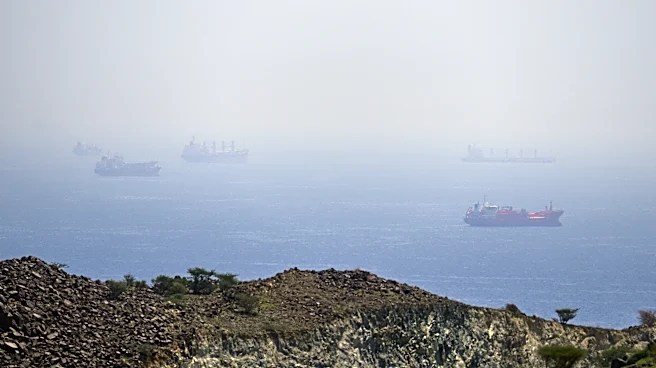
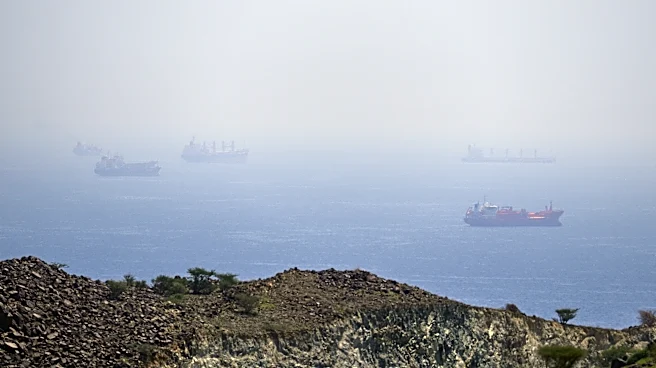
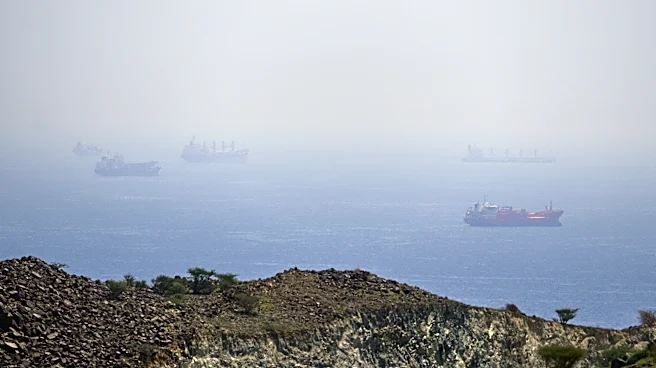
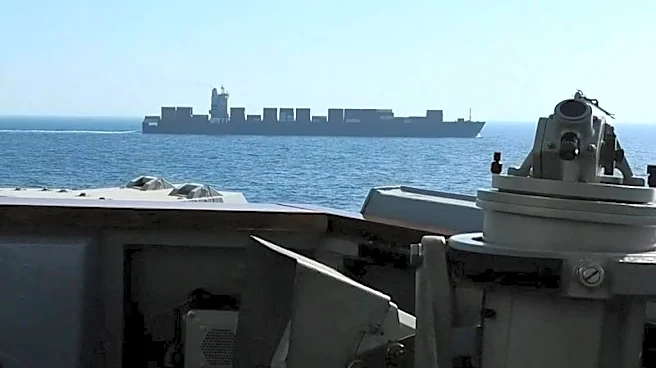
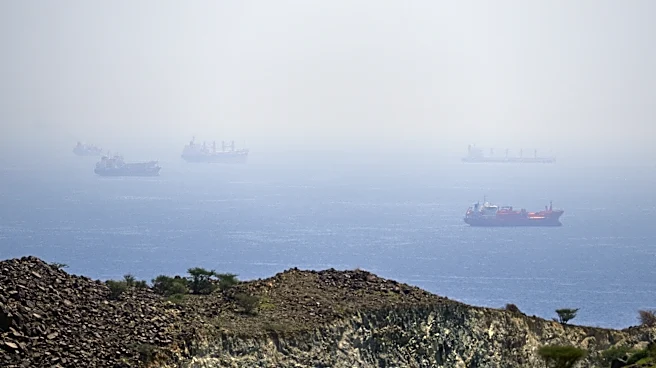
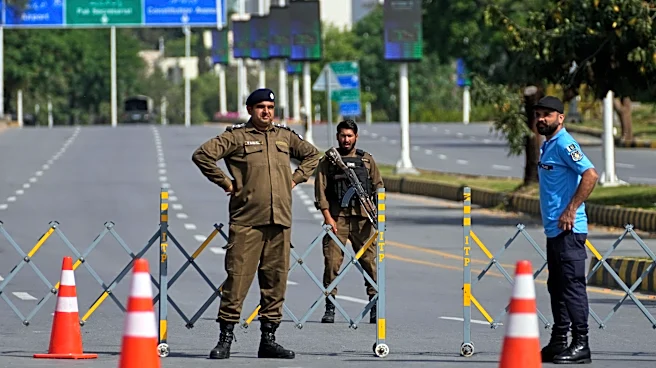
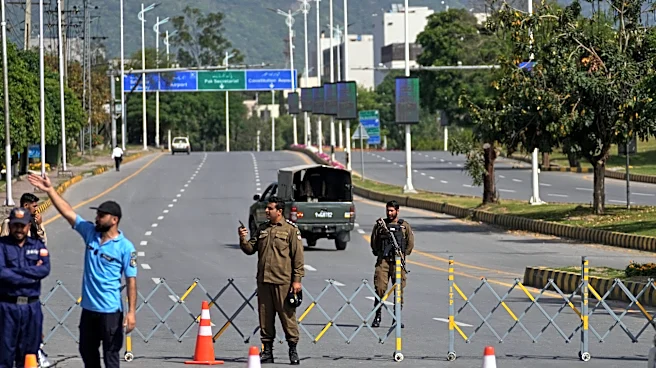
U.S. Vice President JD Vance is expected to travel to Islamabad for peace talks with Iran, as reported by Axios. The talks aim to address the ongoing conflict and the U.S. blockade of the Strait of Hormuz. Iranian Parliament Speaker Mohammad-Bagher Ghalibaf
is set to lead the Iranian delegation, which hesitated to join the talks due to pressure from the IRGC. The Iranian team was eventually persuaded by mediators from Pakistan, Egypt, and Turkey, receiving approval from Iran's supreme leader. The U.S. delegation includes special envoy Steve Witkoff and Jared Kushner.
Why It's Important?
The talks are critical for resolving tensions between the U.S. and Iran, with significant implications for regional stability and global oil markets. The blockade of the Strait of Hormuz affects global energy supplies, and a resolution could stabilize oil prices. The negotiations also hold political significance for the U.S. administration, which seeks to manage its foreign policy challenges effectively. Successful talks could lead to a broader agreement addressing Iran's nuclear program and regional influence.
What's Next?
The immediate goal is to extend the ceasefire and address the blockade issue. If successful, the talks could pave the way for broader discussions on Iran's nuclear program and regional activities. However, the negotiations face challenges, including internal pressures within Iran and differing priorities between the U.S. and Iran. The international community, particularly countries reliant on Middle Eastern oil, will be closely watching the developments, as the outcome could influence global energy policies and security strategies.