
What's Happening?
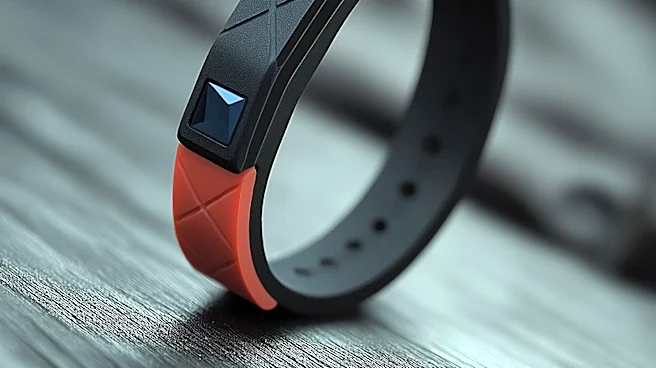
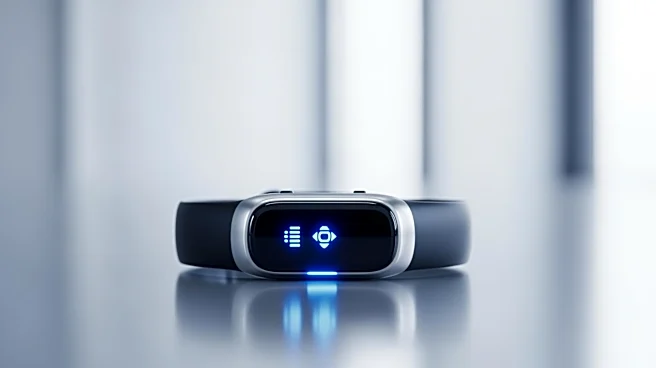
Continuous glucose monitors, traditionally used by diabetics, are now available over-the-counter in the U.S. and are being used by non-diabetics to track glucose levels in real-time. These devices provide
minute-by-minute data on how glucose levels respond to food and physical activity. While they offer insights into personal health and can motivate lifestyle changes, experts caution that the data can lead to confusion and anxiety without proper interpretation. The technology has evolved from test strips to advanced non-invasive sensors, and while beneficial for diabetics, the utility for non-diabetics remains unclear due to the lack of guidelines for interpreting glucose fluctuations in healthy individuals.
Why It's Important?
The availability of continuous glucose monitors to the general public represents a significant shift in personal health monitoring. For diabetics, these devices are crucial for managing their condition. However, for non-diabetics, the impact is less clear. The potential for these devices to encourage healthier lifestyle choices is significant, but without clear guidelines, users may misinterpret data, leading to unnecessary stress. The broader implications include a potential increase in health awareness and preventive health measures, but also highlight the need for education on interpreting health data.
What's Next?
Researchers are working to develop models that can interpret glucose data for non-diabetics, potentially leading to personalized health recommendations. Studies are being conducted to understand how glucose levels fluctuate in healthy individuals and what these patterns might indicate about future health risks. As the technology and understanding of glucose monitoring evolve, clearer guidelines and educational resources will be necessary to maximize the benefits and minimize the drawbacks for non-diabetic users.
Beyond the Headlines
The rise of wearable health technology raises questions about data privacy and the psychological impact of constant health monitoring. While these devices can empower individuals to take control of their health, they also risk creating anxiety over normal physiological variations. The ethical implications of widespread health data collection and the potential for misuse by insurance companies or employers are also concerns that need to be addressed as this technology becomes more prevalent.