







What's Happening?
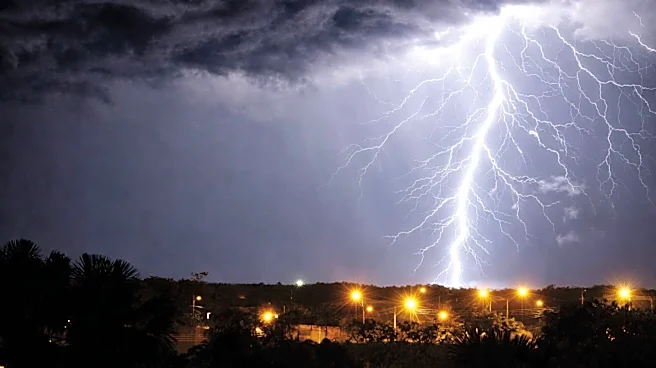
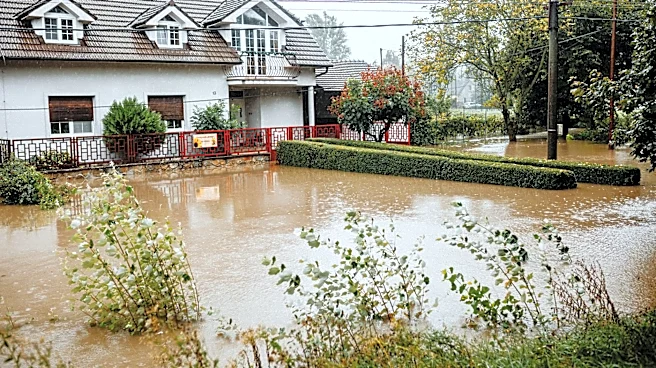
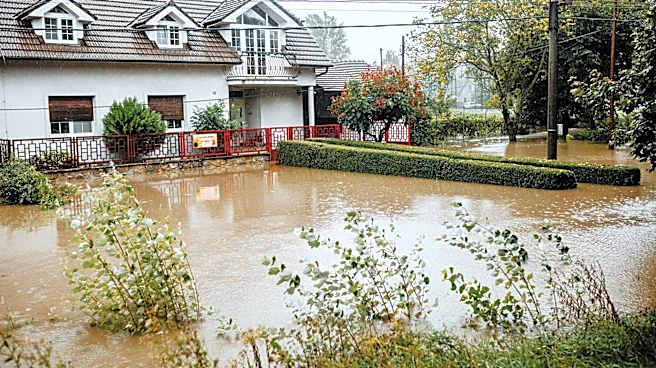
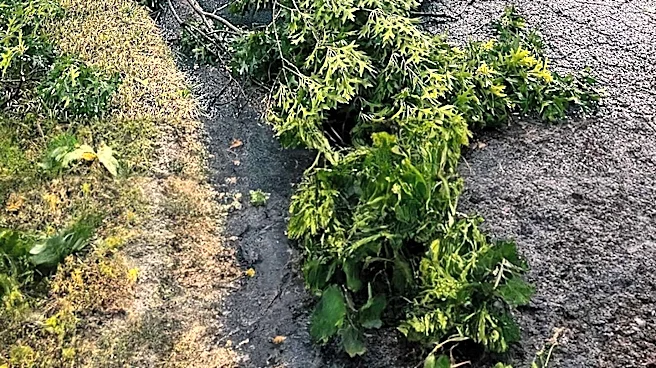
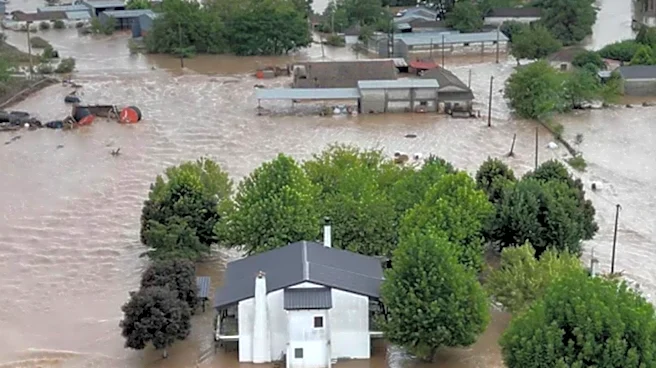
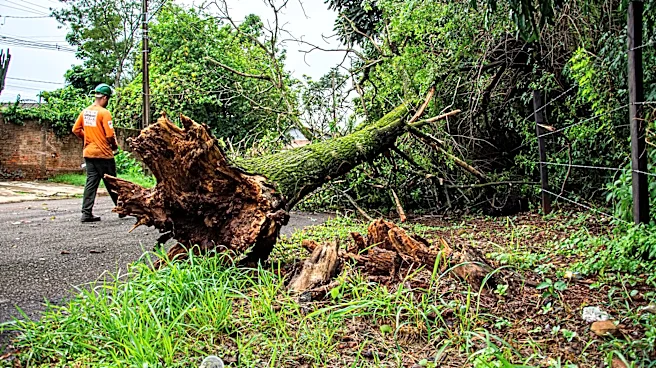
Farmers in Illinois are facing significant challenges due to severe weather and flooding, prompting federal and state agencies to offer assistance. The U.S. Department of Agriculture (USDA) has announced technical and financial support to help farmers
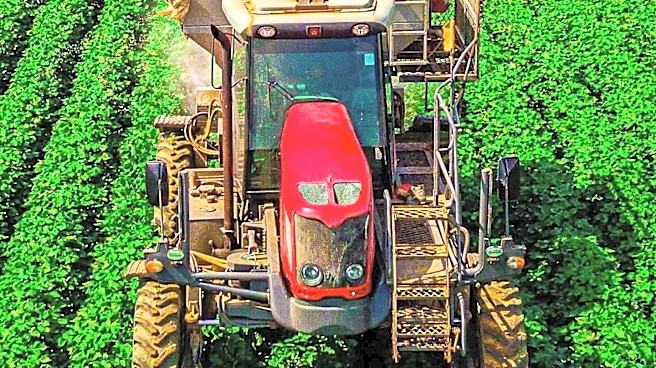
recover from the impact of tornadoes and adverse weather conditions. Additionally, state officials have introduced disaster tax relief for 11 counties affected by recent weather events. Despite the availability of aid, some farmers prefer to manage independently, citing the unpredictable nature of farming. The weather has disrupted planting schedules, with some crops being replanted multiple times due to flooding. The situation underscores the vulnerability of agriculture to climate variability and the need for effective risk management strategies.
Why It's Important?
The impact of severe weather on agriculture has broader implications for food supply, economic stability, and rural communities. Crop losses can lead to increased prices and reduced availability of certain foods, affecting consumers nationwide. The financial strain on farmers may also have ripple effects on local economies and employment. The situation highlights the importance of government support in mitigating the effects of natural disasters and the need for sustainable agricultural practices to enhance resilience. As climate change continues to influence weather patterns, the agricultural sector must adapt to ensure food security and economic viability.