






What's Happening?
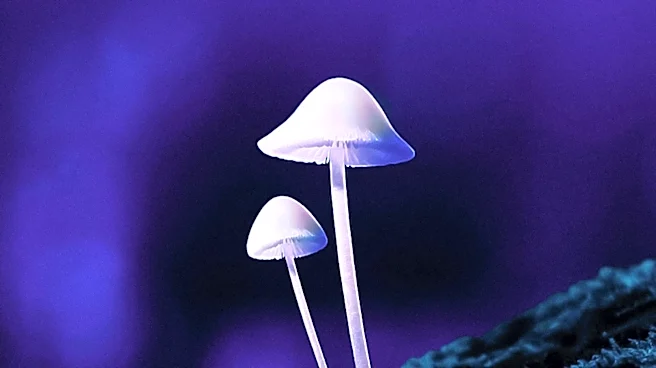
A clinical trial in the U.S. has demonstrated the potential of psilocybin-assisted therapy in treating military veterans with treatment-resistant PTSD. The 11-week trial involved 12 participants who underwent psychotherapy combined with two doses of synthetic
psilocybin. One month post-treatment, 75% of participants achieved full remission of PTSD symptoms, with a significant reduction in symptom severity. The trial reported no severe adverse events, and the most common side effect was a mild headache. The study highlights the potential of psilocybin as a catalyst for deep psychotherapeutic processing, offering hope for veterans who have not found relief through conventional treatments.
Why It's Important?
This trial represents a significant advancement in the treatment of PTSD, particularly for veterans who have not responded to traditional therapies. The high remission rate suggests that psilocybin-assisted therapy could provide a new avenue for addressing the mental health challenges faced by veterans. The study's findings could influence future research and policy decisions regarding the use of psychedelics in mental health treatment. As PTSD is a major issue among veterans, effective treatments could improve their quality of life and reduce the burden on healthcare systems.
What's Next?
Further research is needed to confirm the long-term efficacy and safety of psilocybin-assisted therapy for PTSD. The research team plans to conduct follow-up studies to assess the durability of treatment effects and explore biological changes associated with the therapy. A larger randomized, controlled clinical trial is also being considered to validate the findings. If successful, these studies could pave the way for broader acceptance and integration of psychedelic therapies into mental health treatment protocols.