
What's Happening?
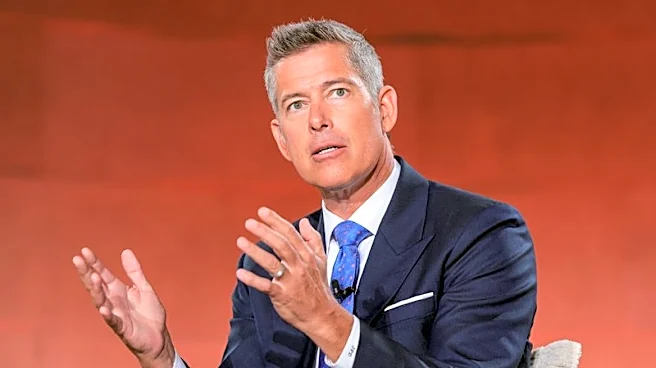
Transportation Secretary Sean P. Duffy has publicly opposed a federal bailout for Spirit Airlines, arguing against government intervention in private company failures. Duffy's stance reflects a commitment
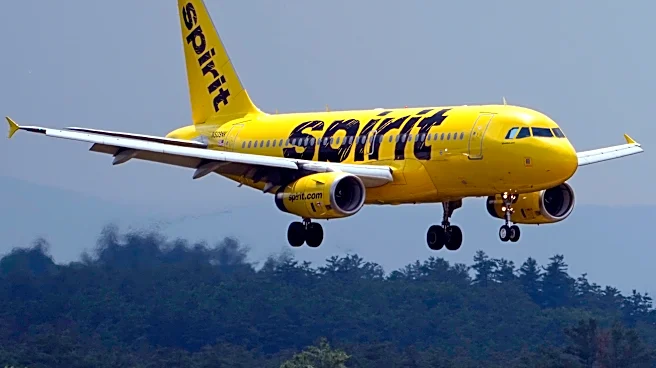
to limited government and fiscal responsibility, echoing sentiments from the tea party movement. The airline's financial struggles, exacerbated by high fuel prices due to the Iran conflict, have led to its closure. Despite proposals for government ownership, Duffy and other officials have resisted, emphasizing the importance of market solutions over taxpayer-funded bailouts.
Why It's Important?
Duffy's opposition to the bailout highlights a broader debate about the role of government in supporting private enterprises. The decision not to intervene sets a precedent for how similar situations might be handled in the future, potentially influencing policy on corporate bailouts and government spending. This stance may resonate with fiscal conservatives and taxpayers concerned about government overreach and financial accountability. The outcome could impact the airline industry and other sectors facing economic challenges, shaping future discussions on government intervention and market dynamics.
What's Next?
With Spirit Airlines' closure, other low-cost carriers may seek government assistance, prompting further debate on the issue. Duffy's position suggests a preference for private market solutions, which could lead to increased scrutiny of government spending and intervention policies. The situation may also influence legislative discussions on economic policy and corporate responsibility, with potential implications for future government-industry relations and regulatory frameworks.