




What's Happening?
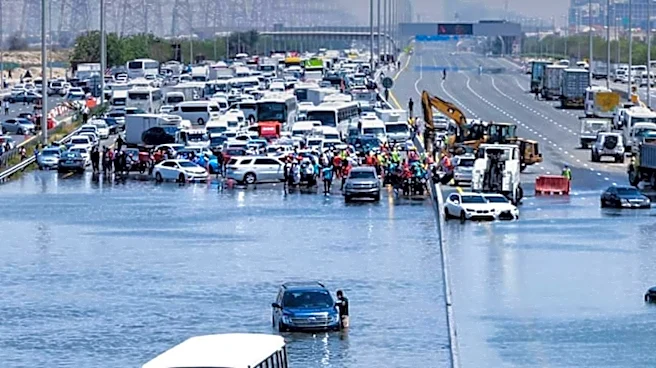
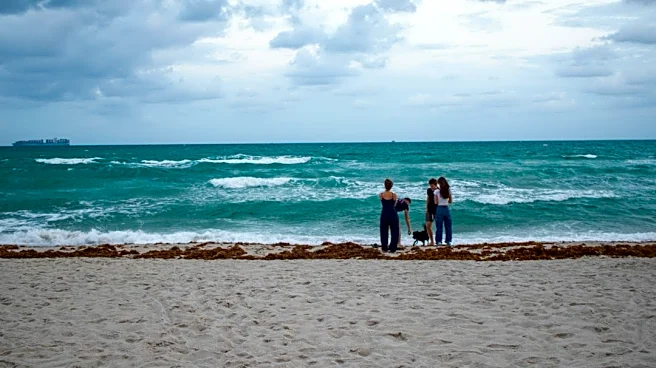
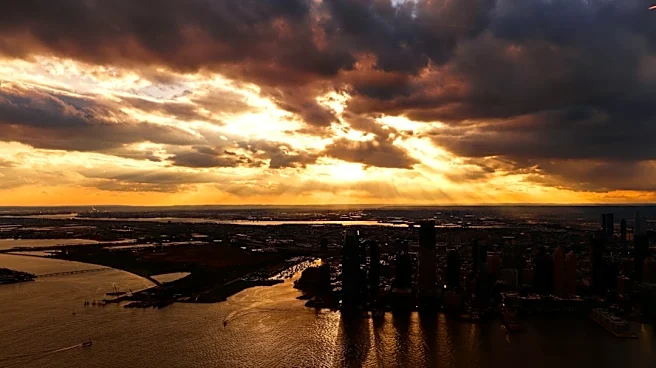
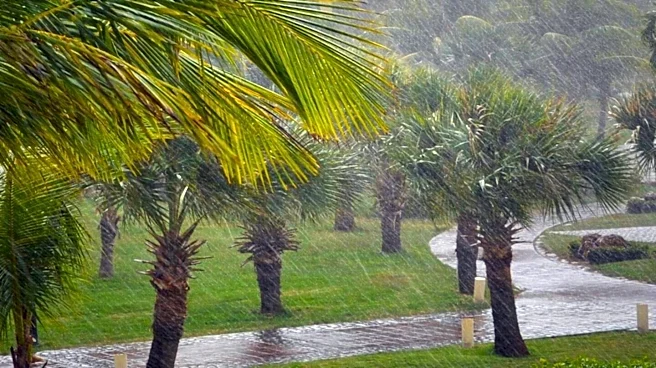
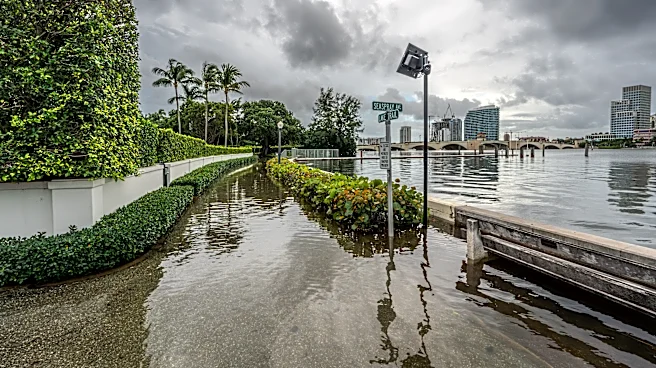
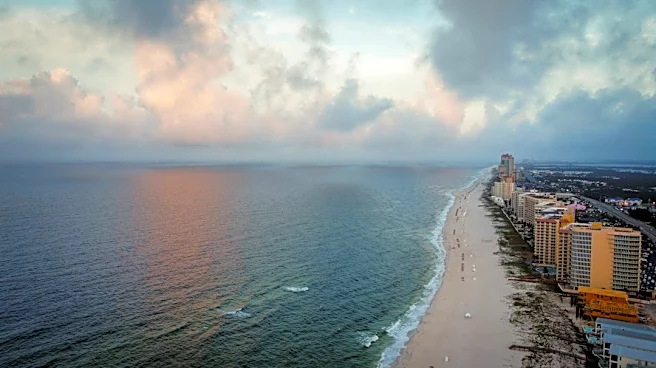
South Florida is currently experiencing a return to hotter temperatures accompanied by increased humidity. Forecasters indicate that there is a 40-60% chance of storms in the region. This weather pattern follows a period where heavy rain and king tides
have already caused flooding across parts of South Florida. The combination of rising temperatures and high humidity is characteristic of the region's climate, and the persistent storm chances suggest a continuation of unsettled weather conditions. This development is part of a broader weather trend affecting the area, impacting daily life and potentially contributing to ongoing environmental concerns such as flooding.
Why It's Important?
The return of significant heat, humidity, and storm chances in South Florida carries several important implications for residents and local infrastructure. Elevated temperatures and humidity can pose health risks, particularly for vulnerable populations, increasing the likelihood of heat-related illnesses. The 40-60% chance of storms means a higher probability of heavy rainfall, which could exacerbate existing flooding issues, especially in areas already affected by recent king tides. This weather pattern can disrupt transportation, impact outdoor activities, and place additional strain on drainage systems. For local businesses, particularly those in tourism and outdoor recreation, these conditions can lead to cancellations or reduced patronage. Furthermore, the consistent threat of storms necessitates ongoing preparedness efforts from emergency services and residents alike, highlighting the region's susceptibility to dynamic weather events.
What's Next?
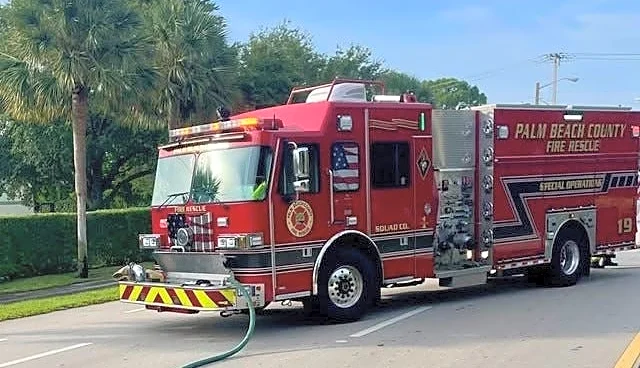
Residents of South Florida should anticipate continued hot and humid conditions with a persistent threat of storms in the near future. Local weather advisories will likely remain in effect, urging caution regarding outdoor activities and potential flooding. Emergency management agencies will continue to monitor weather patterns closely and may issue further warnings or recommendations as conditions evolve. Infrastructure maintenance, particularly concerning drainage and flood control, will remain a priority for local authorities to mitigate the impact of heavy rainfall. Individuals are advised to stay hydrated, seek shelter during storms, and remain informed about local weather updates to ensure safety and minimize disruptions.
Beyond the Headlines
The recurring pattern of intense heat, humidity, and significant storm activity in South Florida underscores the broader challenges posed by climate variability and urban development in coastal regions. The interplay between natural weather phenomena like king tides and increased rainfall can overwhelm existing infrastructure, raising questions about long-term urban planning and resilience strategies. This situation highlights the need for sustainable development practices, improved water management systems, and community-wide adaptation measures to cope with increasingly frequent and severe weather events. The economic and social fabric of South Florida, heavily reliant on its climate and natural environment, faces ongoing pressure to adapt to these evolving conditions, prompting discussions about future investments in climate-resilient infrastructure and public awareness campaigns.