




What's Happening?
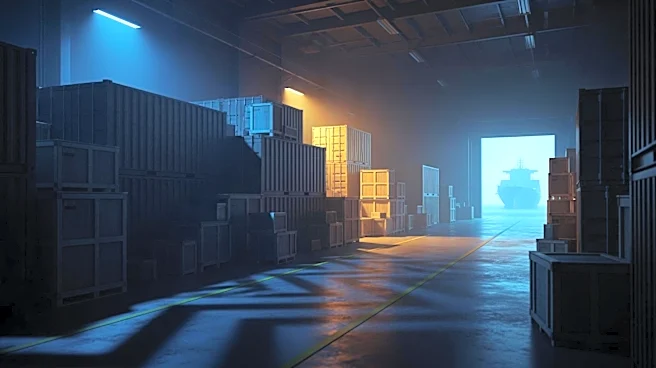
Recent intelligence assessments indicate that China is preparing to deliver new air defense systems to Iran within the next few weeks. These systems, known as MANPADs, are shoulder-fired anti-air missile systems that pose a threat to low-flying U.S. military
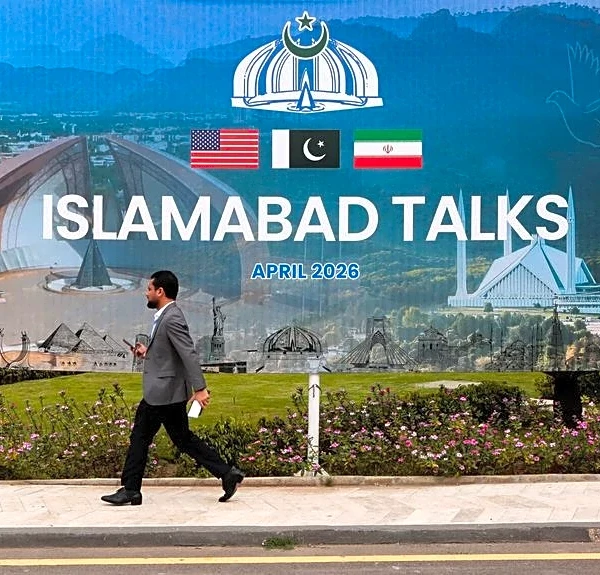
aircraft. This development comes amid a fragile ceasefire between Iran and the U.S., which China reportedly helped broker. Despite these reports, a spokesperson for the Chinese embassy in Washington has denied the allegations, stating that China has never provided weapons to any party involved in the conflict. The spokesperson urged the U.S. to refrain from making baseless allegations and emphasized China's commitment to fulfilling its international obligations. The potential shipment of MANPADs to Iran could escalate China's support for Iran since the U.S. and Israel launched a joint military campaign in February.
Why It's Important?
The potential delivery of Chinese MANPADs to Iran could significantly impact U.S. military operations in the region, as these systems pose a direct threat to U.S. aircraft. This move could also strain U.S.-China relations, especially as President Trump is scheduled to visit China for talks with President Xi Jinping. The situation highlights the complex geopolitical dynamics involving China, Iran, and the U.S., with China attempting to maintain a balance between supporting Iran and avoiding direct confrontation with the U.S. and its allies. The shipment could also affect the ongoing ceasefire, as Iran may use the opportunity to replenish its weapons systems, potentially destabilizing the region further.
What's Next?
President Trump is expected to meet with President Xi Jinping in Beijing next month, where this issue may be a topic of discussion. High-level talks between the U.S. and China have already taken place as part of the Iran ceasefire negotiations. The U.S. may seek to address these intelligence findings directly with China to prevent further escalation. Additionally, China may continue to position itself as a neutral party while maintaining its strategic relationship with Iran, particularly due to its dependence on Iranian oil. The international community will likely monitor the situation closely, as any confirmed shipment of weapons could lead to increased tensions and potential military responses.
Beyond the Headlines
The potential shipment of MANPADs to Iran by China raises questions about the ethical implications of arms transfers in conflict zones. It also highlights the challenges of enforcing international arms control agreements and the role of major powers in regional conflicts. The situation underscores the importance of diplomatic efforts to de-escalate tensions and prevent further militarization in the Middle East. Additionally, the incident may prompt discussions on the need for more robust international mechanisms to monitor and regulate arms transfers to conflict-affected regions.