




What's Happening?
A new agentic AI workflow, named WxCrop, has been developed to predict agricultural losses in Florida due to extreme weather events. This model integrates various data sources, including historical weather records, agricultural data, and insured loss records, to forecast
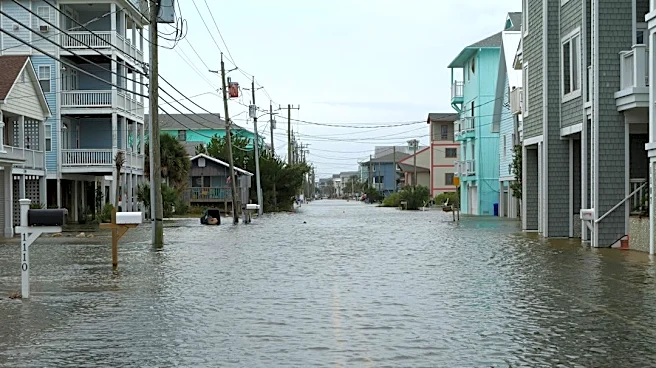
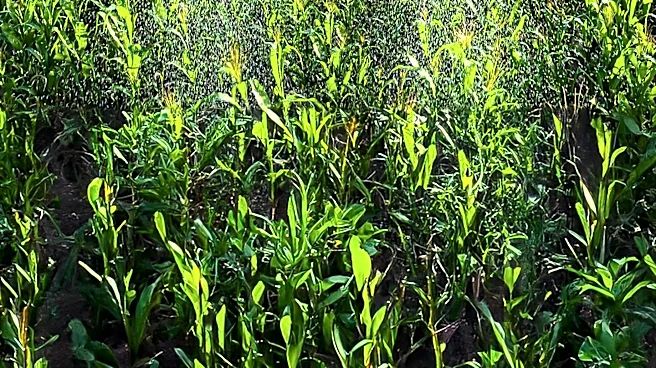
the impact of hurricanes, freezes, and dry heat on crops. WxCrop uses detailed county-level data for 67 Florida counties from 2004 to 2024, covering eight crop groups. For hurricanes, the model reconstructs wind fields from best-track fixes and incorporates rainfall data. For freezes, it measures temperature drops below normal winter levels, considering factors like cloud cover. The dry-heat index combines long and short-term water deficits with heat. The model aims to provide more specific and actionable warnings than traditional weather forecasts, which typically only describe atmospheric conditions without detailing agricultural consequences. This development is crucial given that climate-related hazards have cost global agriculture an estimated US$2.9 trillion between 1991 and 2023.
Why It's Important?
This AI model represents a significant advancement in agricultural risk management and climate change adaptation. By providing precise predictions of crop damage, WxCrop can help farmers, insurance agencies, and policymakers make more informed decisions. Early and accurate warnings can enable anticipatory actions, potentially saving substantial economic losses. The model's ability to differentiate between various weather hazards and their specific impacts on different crop types allows for targeted interventions. For instance, understanding the combined effect of wind and rain during a hurricane, or the role of cloud cover during a freeze, can lead to more effective mitigation strategies. This could reduce the financial burden on farmers and the agricultural sector, which is highly vulnerable to climate variability and extreme weather events, especially in regions like Florida that frequently experience such phenomena.
What's Next?
The developers plan to extend the WxCrop workflow to other regions and periods by replacing the Florida-specific data sources with local equivalents and refitting the model. This scalability suggests that the AI could become a global tool for agricultural resilience. Further refinement of the model will likely involve incorporating more granular data and exploring additional weather factors that influence crop loss. The success of WxCrop in Florida could encourage its adoption by other states and countries, leading to a more proactive approach to managing agricultural risks associated with climate change. The integration of such AI tools into existing early warning systems could enhance their utility, transforming raw weather data into actionable agricultural intelligence.
Beyond the Headlines
The development of WxCrop highlights a broader trend towards leveraging advanced AI and data analytics to address complex environmental and economic challenges. This model not only offers practical benefits for agriculture but also underscores the potential of AI to bridge the gap between scientific data and real-world applications. It raises questions about data privacy and the ethical implications of using predictive models in sensitive sectors like food production. Furthermore, the model's reliance on historical data and its ability to adapt to new regions could foster international collaboration in climate science and agricultural technology. This initiative could also spur innovation in agricultural insurance products, moving towards more dynamic and risk-adjusted policies based on AI-driven predictions, ultimately contributing to global food security in the face of a changing climate.