



What's Happening?
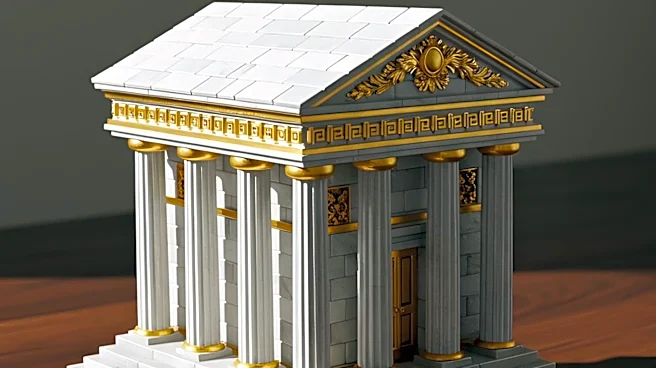
Brother Joseph Zoettl, a Bavarian-born Benedictine monk at St. Bernard Abbey in Cullman, Alabama, dedicated 46 years to creating miniature cement replicas of famous religious sites and landmarks. Starting in 1912, he transformed a four-acre hillside quarry
into the Ave Maria Grotto, completing his 125th and final model in 1958 at the age of 80. Zoettl, who had visited only six of the places he recreated, relied on postcards, black-and-white photographs, and biblical descriptions to construct detailed models of sites such as St. Peter’s Basilica, the Leaning Tower of Pisa, ancient Jerusalem sites, and the Alamo. He used ordinary Portland cement mixed with donated scrap materials, including cold-cream jars, broken teacups, stained-glass pieces, seashells, marbles, and old chandelier crystals. The Ave Maria Grotto was added to the National Register of Historic Places in 1984, recognizing its cultural importance as a significant example of American outsider art and visionary environment construction. The monastic community and preservation workers now maintain the site, addressing weather damage caused by Alabama's humid climate through protective sealants and masonry repairs.
Why It's Important?
The recognition of the Ave Maria Grotto on the National Register of Historic Places highlights the cultural significance of folk art and visionary environments in the United States. It underscores how individual dedication and creativity, even without formal training or extensive travel, can produce works of lasting artistic and historical value. This site serves as a unique tourist attraction in northern Alabama, drawing thousands of visitors annually and contributing to local tourism and cultural heritage. The story of Brother Joseph Zoettl also exemplifies the power of resourcefulness and perseverance, as he utilized discarded materials and limited resources to achieve his artistic vision. Furthermore, the ongoing preservation efforts at the Grotto emphasize the challenges and importance of maintaining delicate outdoor art installations, particularly in diverse climates, ensuring that these unique cultural assets are protected for future generations. It also brings attention to the Benedictine community's role in fostering such creative endeavors and preserving historical sites.
What's Next?
The Ave Maria Grotto will continue to operate as a major folk-art attraction, welcoming visitors to the St. Bernard Abbey grounds. Ongoing preservation efforts by the monastic community and specialist workers will focus on maintaining the delicate concrete and glass structures against environmental wear. This will likely involve continued application of protective sealants and meticulous repair of individual masonry pieces to combat the effects of Alabama's humid climate. There may be further initiatives to raise awareness about the Grotto's historical and cultural significance, potentially through educational programs or expanded outreach to art and history enthusiasts. The site's status on the National Register of Historic Places will continue to support its eligibility for preservation grants and resources, ensuring its long-term viability. The story of Brother Joseph Zoettl may also inspire new generations of outsider artists and preservationists, reinforcing the value of unique artistic expressions and the importance of their conservation.
Beyond the Headlines
Beyond its immediate appeal as a tourist destination, the Ave Maria Grotto offers a profound reflection on faith, art, and human endeavor. Brother Joseph Zoettl's work, created from a place of deep spiritual devotion and physical limitation, transcends mere craftsmanship to become a testament to the human spirit's capacity for creation under challenging circumstances. The use of recycled and donated materials imbues the grotto with an additional layer of meaning, speaking to themes of sustainability and the transformation of the mundane into the sacred. The site also serves as a quiet counter-narrative to the commercialization of art, emphasizing intrinsic value over market worth. Its preservation highlights a broader societal appreciation for 'outsider art'—works created by self-taught artists outside the mainstream art world—and the recognition of their unique contributions to cultural heritage. The Grotto's continued existence on active monastery grounds also intertwines spiritual life with artistic expression, offering visitors a contemplative experience that goes beyond mere observation of miniatures.