





What's Happening?
The United Nations Mission in South Sudan (UNMISS) has intensified its civilian protection and peace efforts in Rumbek, South Sudan, after intercommunal fighting on October 8 and 9 resulted in 60 deaths, 78 injuries, and the temporary displacement of
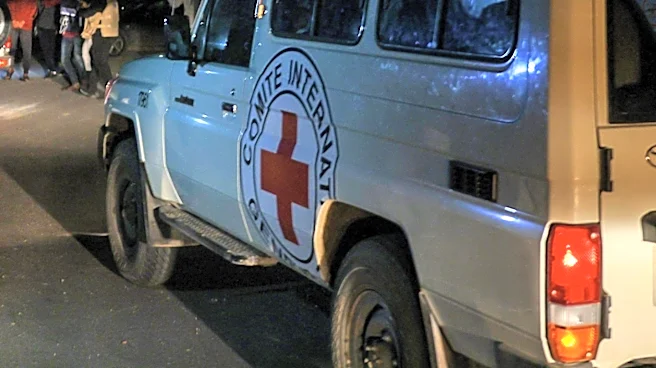
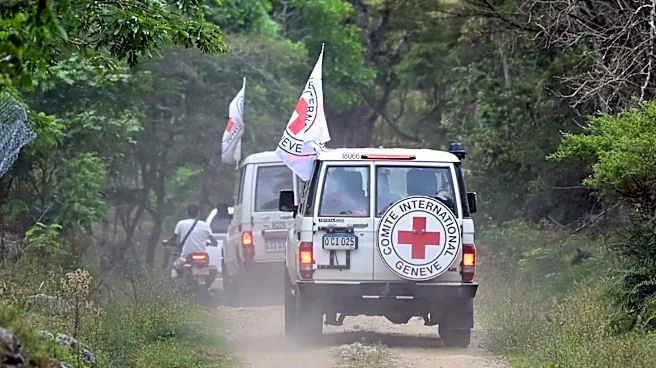
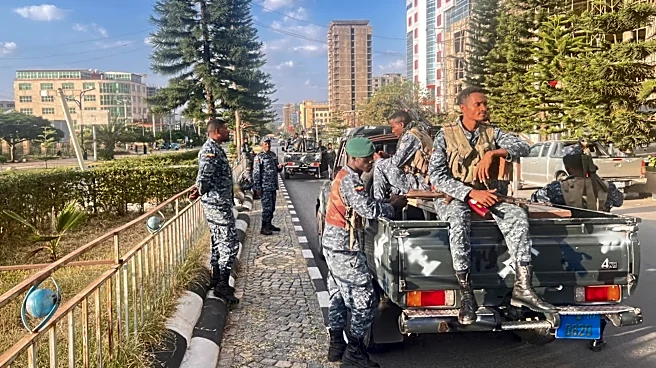
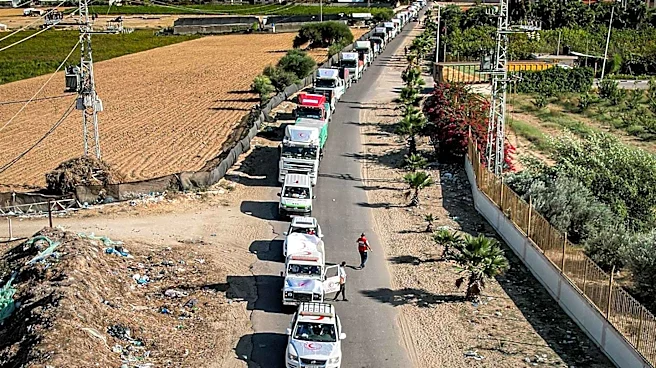
approximately 500 families. Businesses were also targeted during the violence. In response, Nepalese peacekeepers from UNMISS swiftly deployed a Quick Reaction Force to protect civilians and critical facilities, coordinating with local authorities and security services. Lt. Col. Lekhnath Katwal, commander of Nepalese peacekeepers in Rumbek, reported that troops were mobilized to Rumbek State Hospital to prevent attacks on wounded individuals and conducted patrols in sensitive areas like the humanitarian compound and airport. UNMISS also dispatched a convoy to Amok Payam to extract 17 trapped humanitarian workers. Following the immediate security response, a civilian team led by Hiroko Hirahara, UNMISS Director for Civil Affairs, engaged with State authorities, community leaders, civil society representatives, and humanitarian agencies to address security concerns and support conflict resolution.
Why It's Important?
The intercommunal violence in Rumbek highlights the persistent fragility of peace and security in South Sudan, underscoring the critical role of international peacekeeping missions like UNMISS. The displacement of 500 families and the significant casualties demonstrate the severe human cost of such conflicts, which often target civilians and essential services. The swift deployment of UNMISS peacekeepers to protect vulnerable populations and critical infrastructure is vital for preventing further loss of life and maintaining a semblance of order. The engagement of UNMISS's civilian team with local authorities and community leaders is crucial for addressing the root causes of conflict and fostering long-term peacebuilding. Without such interventions, localized violence can escalate, destabilize regions, and impede humanitarian aid delivery, further exacerbating the suffering of already vulnerable communities. The incident also underscores the dangers faced by humanitarian workers in conflict zones, making their protection a paramount concern for continued aid operations.
What's Next?
The immediate focus for Rumbek is to maintain the current calm and prevent a recurrence of violence. The Lakes State caretaker Governor, Rin Tueny Mabor, has deployed security forces and is engaging with community leaders to ensure stability. UNMISS will continue its protection activities and political engagement to support these efforts, aiming for durable peace. This will likely involve ongoing patrols, monitoring of potential flashpoints, and facilitating dialogue between conflicting communities. Humanitarian agencies will need to assess the needs of the temporarily displaced families and provide necessary assistance for their return and recovery. Long-term efforts will require addressing underlying grievances, promoting reconciliation, and strengthening local governance and justice mechanisms to prevent future outbreaks of violence. The effectiveness of these measures will depend on sustained commitment from both local authorities and international partners like UNMISS.
Beyond the Headlines
The Rumbek incident reflects a broader challenge in post-conflict societies where intercommunal tensions can easily reignite, even with the presence of peacekeeping forces. The targeting of businesses and the displacement of families underscore the economic and social disruption caused by such violence, hindering recovery and development efforts. The reliance on external forces like UNMISS for immediate security highlights the need for stronger national and local security institutions capable of maintaining peace independently. Furthermore, the narrative of humanitarian workers fearing for their lives due to community affiliations points to the deep-seated divisions and mistrust that persist, complicating aid delivery and peacebuilding initiatives. This situation calls for a holistic approach that not only addresses immediate security concerns but also invests in social cohesion, economic opportunities, and inclusive governance to build resilient communities capable of resolving conflicts peacefully.