
What's Happening?
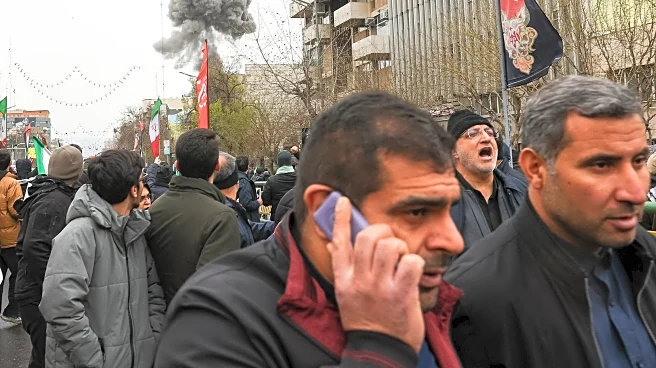
Israel has escalated its military operations in Lebanon, targeting infrastructure linked to the Iran-backed Hezbollah militia. This development comes as part of a broader conflict involving the U.S. and Israel against Iran, which has seen military targets
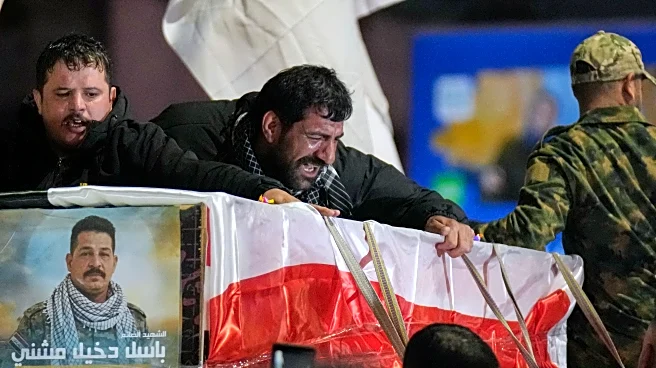
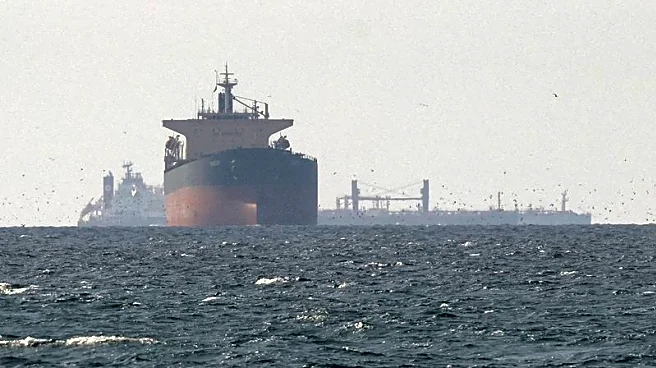
in Tehran being struck. The Israeli army has issued evacuation orders for several neighborhoods in Beirut and southern Lebanon, leading to the displacement of over 800,000 people. The conflict has resulted in significant casualties, with at least 850 people killed in Lebanon due to Israeli strikes. In response, Iran has launched drone strikes, including one that temporarily shut down Dubai's airport. The situation has heightened fears of a global energy crisis, as Iran's actions have disrupted shipping through the Strait of Hormuz, a critical passage for global oil transport.
Why It's Important?
The intensification of military actions in Lebanon and the broader Middle East conflict have significant implications for global energy markets and geopolitical stability. The disruption of shipping through the Strait of Hormuz, a vital oil transit route, has led to a spike in oil prices, affecting economies worldwide. The conflict also poses a risk of further escalation, potentially drawing in more countries and complicating international relations. The U.S. and its allies face pressure to respond to Iran's actions, while the humanitarian impact in Lebanon continues to grow, with large-scale displacement and casualties. The situation underscores the fragile nature of Middle Eastern geopolitics and the potential for regional conflicts to have far-reaching global consequences.
What's Next?
The international community is likely to continue diplomatic efforts to de-escalate the situation, although the prospects for immediate resolution appear limited. The U.S. has called for international support to ensure the security of the Strait of Hormuz, but has faced challenges in securing commitments from allies. The European Union and other global powers may seek to mediate or propose solutions to prevent further escalation. Meanwhile, the humanitarian situation in Lebanon is expected to worsen, with ongoing military operations and displacement. The conflict's impact on global oil prices will remain a critical concern for policymakers and economic stakeholders.