





What's Happening?
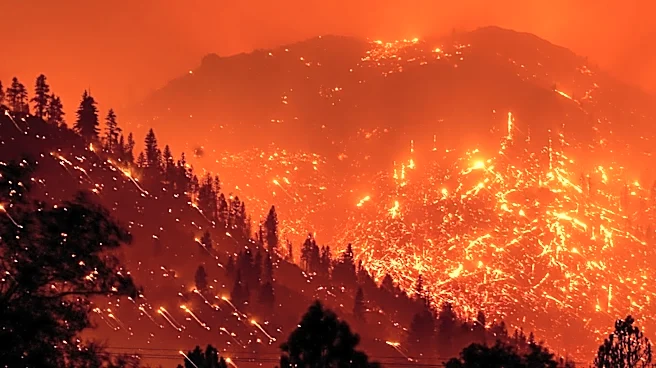
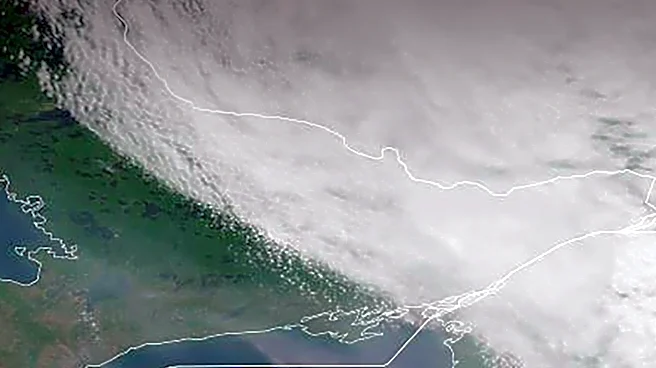
Massive wildfires in Canada, particularly in British Columbia, are causing significant air quality issues in the United States. Smoke from these fires is traveling across the border, affecting states such as Washington, Oregon, Idaho, Montana, Wyoming,
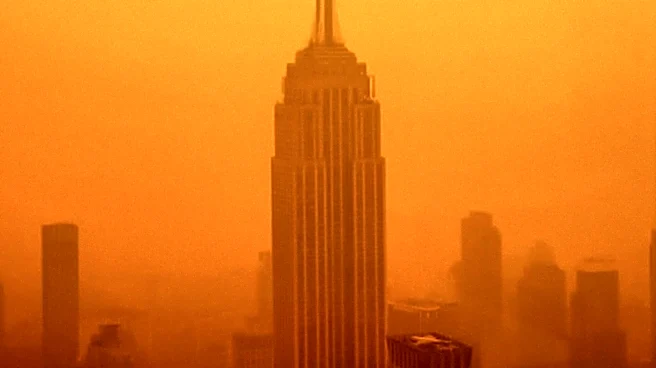
and Colorado. The National Weather Service has issued air quality advisories for several cities, including Denver, Fort Collins, and Greeley. Health officials warn that the smoke contains fine particulate matter that can exacerbate respiratory conditions, posing a risk to vulnerable populations such as children, the elderly, and those with pre-existing health issues.
Why It's Important?
The transboundary nature of wildfire smoke highlights the interconnectedness of environmental issues and the need for international cooperation in addressing them. The health implications for millions of Americans underscore the importance of monitoring air quality and implementing public health measures to protect at-risk populations. The situation also raises awareness about the broader impacts of climate change, as increased wildfire activity is linked to rising temperatures and prolonged dry conditions.
What's Next?
Authorities will continue to monitor the situation and issue air quality alerts as needed. Efforts to manage and contain the wildfires in Canada are ongoing, with significant resources being deployed to protect communities and infrastructure. In the U.S., public health officials may increase outreach and education efforts to help residents mitigate the health impacts of poor air quality. Long-term, this situation may prompt discussions on climate policy and cross-border environmental collaboration.