






What's Happening?
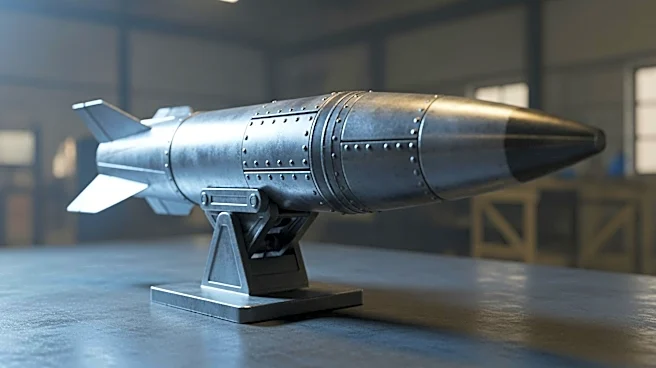
A recent analysis by Ukraine's defense ministry has revealed that North Korean ballistic missiles, specifically the KN-23 and KN-24 types, are constructed using outdated methods. The study, which involved laboratory examinations of missile debris found
in Ukraine, indicates that these missiles incorporate commercial electronics but are manufactured with techniques that are up to 50 years old. The report highlights that these missiles, while similar to Russian models, use less efficient fuel and require larger engines to achieve comparable ranges. Additionally, the missiles are equipped with graphite tips, a cost-effective solution for heat protection during flight. The KN-23 and KN-24 missiles, known as Hwasong-11A and Hwasong-11B respectively, were first showcased by North Korea in military parades in 2018 and 2019. The Ukrainian analysis also points out that these missiles contain civilian components from various international brands, suggesting that North Korea is circumventing sanctions to acquire necessary parts.
Why It's Important?
The findings from Ukraine's defense ministry underscore significant concerns about North Korea's missile capabilities and the potential implications for international security. The use of outdated manufacturing methods raises questions about the reliability and accuracy of these weapons, which could impact regional stability, particularly in East Asia. Furthermore, the presence of civilian components from countries like China, Japan, Switzerland, the UK, and the US suggests that North Korea is finding ways to bypass international sanctions, which could undermine global non-proliferation efforts. The report also highlights the growing military collaboration between North Korea and Russia, as evidenced by the use of these missiles in the ongoing conflict in Ukraine. This partnership could lead to further proliferation of missile technology and tactics, posing a threat to global security.
What's Next?
The international community, particularly the US and South Korea, is likely to increase scrutiny on North Korea's missile program and its collaboration with Russia. There may be calls for tighter enforcement of sanctions and increased diplomatic efforts to curb North Korea's missile development. Additionally, the findings could prompt further investigations into the supply chains that enable North Korea to acquire components for its missile program. The US and its allies might also consider enhancing their missile defense systems to counter potential threats from North Korean missiles. As tensions continue to rise, diplomatic channels may be explored to address the security concerns posed by North Korea's missile capabilities.
Beyond the Headlines
The revelation of outdated methods in North Korea's missile production highlights broader issues related to technological advancement and military strategy. Despite the antiquated techniques, North Korea's ability to produce and deploy these missiles suggests a strategic focus on quantity over quality, potentially overwhelming defense systems with sheer numbers. This approach could influence other nations' military strategies, prompting them to reassess their defense capabilities and technological investments. Additionally, the use of commercial electronics in military applications raises ethical and legal questions about the role of global supply chains in supporting sanctioned regimes. The international community may need to address these challenges through stricter export controls and enhanced monitoring of dual-use technologies.