





What's Happening?
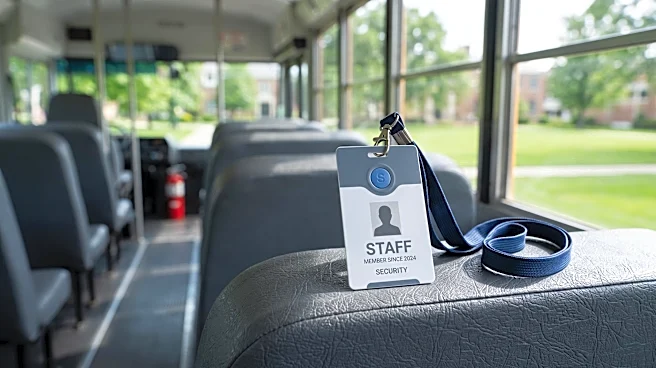
Brecksville-Broadview Heights City Schools has expanded the use of wearable panic buttons, known as CENTEGIX CrisisAlert badges, to all staff members, including bus drivers. Initially, these devices were distributed to teachers, administrators, and custodial
staff. However, bus drivers, who are often present on campus before and after school, expressed a desire to also have the ability to call for assistance in emergencies. Superintendent Jeffrey D. Harrison highlighted that this expansion ensures every employee, regardless of their role, can contribute to school safety. The wearable devices address a limitation of fixed or phone-based alert systems by staying with the employee, allowing for immediate action in various incidents, from everyday occurrences like student injuries or medical emergencies to campus-wide threats. The system is designed to transmit alerts reliably, identify the origin, notify appropriate responders, and support established district protocols, operating through private, managed networks for enhanced reliability.
Why It's Important?
The widespread adoption of wearable panic buttons in schools signifies a crucial shift towards a more inclusive and proactive approach to school safety. By empowering all staff members, including those not traditionally seen as primary safety personnel, to initiate emergency responses, schools can significantly reduce response times and potentially mitigate the severity of incidents. This initiative aligns with recommendations from organizations like CISA, which advocate for layered security approaches and clearly defined responsibilities for all personnel. The ability for any staff member to quickly alert authorities about a medical emergency, an altercation, or suspicious activity ensures that critical moments are not lost due to communication delays or the need to locate a fixed alert system. This not only enhances the physical safety of students and staff but also fosters a stronger culture of collective responsibility and preparedness within the school community.
What's Next?
The implementation of wearable panic buttons is expected to continue evolving with ongoing training and integration into broader emergency response plans. Districts will likely focus on refining protocols for different types of alerts, ensuring that staff are proficient in using the devices for both minor incidents and major emergencies. There will also be an emphasis on evaluating the system's effectiveness in real-world scenarios and making adjustments as needed. Furthermore, the success of such systems could encourage other school districts across the U.S. to adopt similar technologies, potentially leading to a broader trend in school safety enhancements. Continued collaboration with emergency managers and first responders will be crucial to ensure that the technology seamlessly integrates with external emergency services, optimizing overall response coordination.
Beyond the Headlines
The expansion of wearable panic buttons beyond traditional security roles highlights a deeper recognition of the distributed nature of safety responsibilities within an organization. It challenges the conventional view that safety is solely the domain of a few designated individuals, instead promoting a model where every employee is an active participant in maintaining a secure environment. This shift can have profound psychological impacts, fostering a greater sense of empowerment and ownership among staff members. It also raises ethical considerations regarding privacy and the potential for misuse, necessitating clear guidelines and training. Ultimately, this technology represents a move towards creating more resilient and responsive institutional environments, where immediate action can be taken by anyone witnessing an incident, thereby transforming the overall safety paradigm.