




What's Happening?
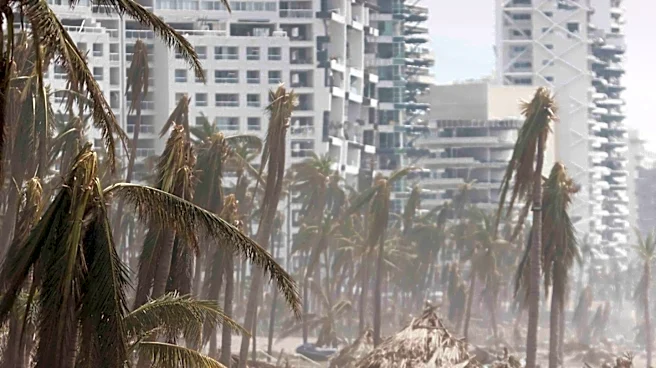
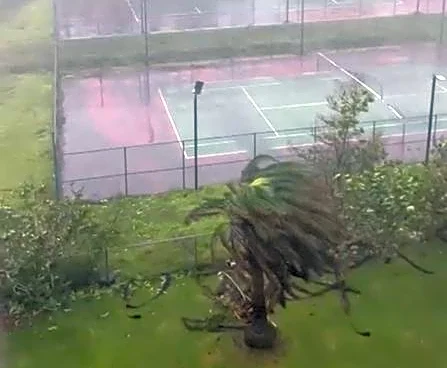
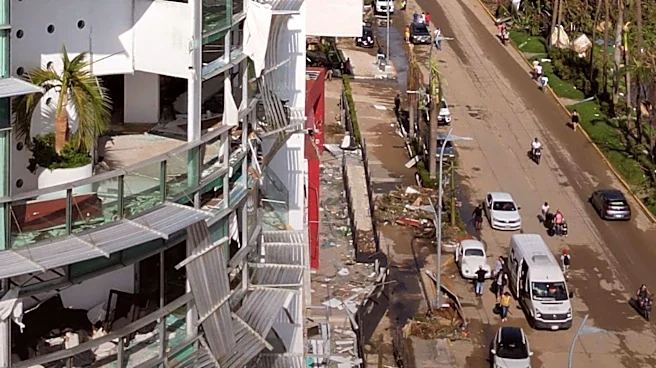
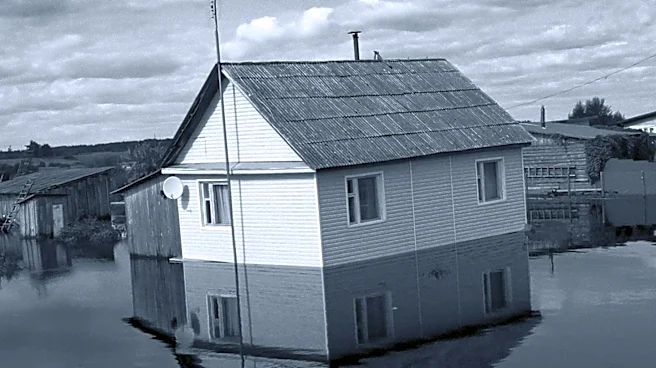
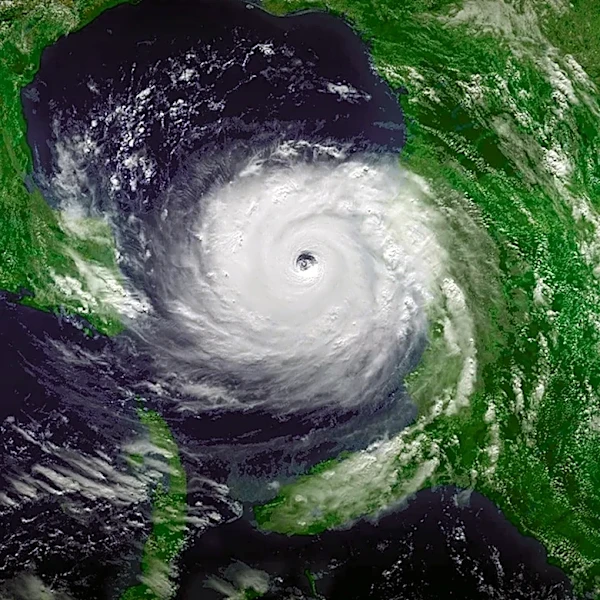
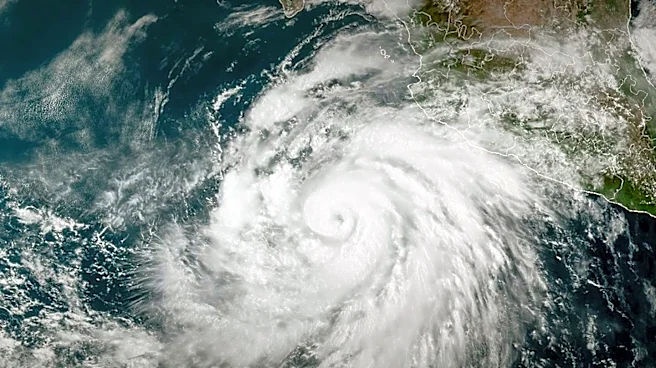
The Northern Mariana Islands have been hit by Typhoon Bavi, following the devastation caused by Super Typhoon Sinlaku in mid-April. The region is still in recovery from Sinlaku, which was the strongest storm of the year, causing widespread displacement
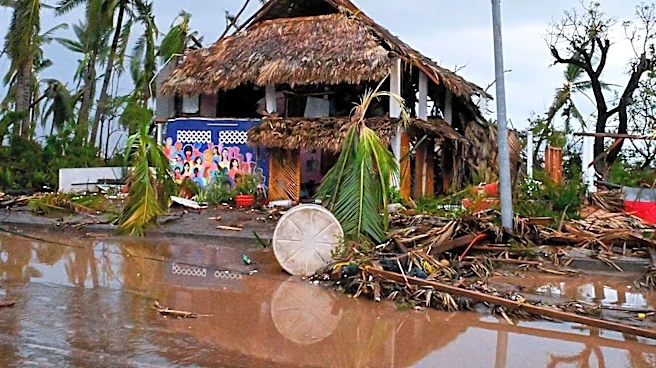
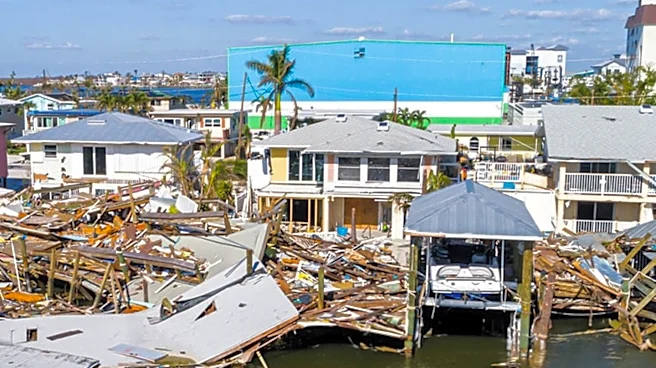
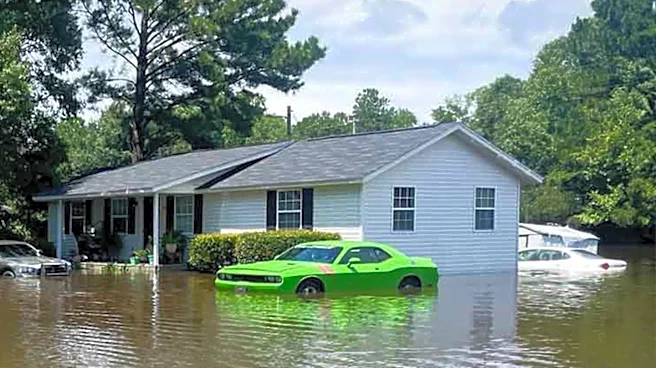
and power outages. Typhoon Bavi, estimated to be 1,029 miles wide, has further highlighted the disparities in housing construction. Many homes in the region are not built to withstand such powerful storms due to financial constraints. While most homes are made of concrete, some still have wooden or tin roofs, which are less resistant to typhoon conditions. The cost of building fully concrete homes is prohibitive for many residents, given the low minimum wage and high cost of materials. The region adopted the International Building Code in 2018, but challenges remain in implementing these standards due to affordability and resource availability.
Why It's Important?
The impact of Typhoon Bavi underscores the vulnerability of communities in the Northern Mariana Islands to extreme weather events. The disparity in housing quality poses significant risks to residents' safety and well-being. As climate change increases the frequency and intensity of such storms, the need for resilient infrastructure becomes more urgent. The financial burden of upgrading homes to meet modern building codes is a major obstacle for many families, highlighting broader socio-economic issues. This situation calls for increased government support and investment in resilient infrastructure to protect communities from future storms. The ability to withstand such natural disasters is crucial for the region's long-term recovery and sustainability.
What's Next?
In the aftermath of Typhoon Bavi, there is a pressing need for rebuilding efforts that prioritize resilience and adherence to modern building codes. Government support will be crucial in facilitating these efforts, ensuring that homes are rebuilt to withstand future storms. Education on building practices and the importance of structural integrity will be key in improving community resilience. Additionally, there may be increased advocacy for policy changes to provide financial assistance to residents for home upgrades. The focus will likely be on creating a sustainable recovery plan that addresses both immediate needs and long-term resilience.
Beyond the Headlines
The situation in the Northern Mariana Islands highlights the broader issue of climate justice, as economically disadvantaged communities often bear the brunt of climate change impacts. The disparity in housing quality reflects systemic inequalities that need to be addressed through comprehensive policy measures. The challenge of rebuilding after repeated storms also raises questions about the sustainability of current development practices. There is an opportunity to rethink and redesign infrastructure in a way that is both resilient and equitable, ensuring that all residents have access to safe and secure housing.