








What's Happening?
Former Cuban leader Raul Castro may face indictment for his alleged involvement in the 1996 shootdown of two civilian planes, which resulted in the deaths of four individuals, including three Americans. The planes, operated by the Miami-based volunteer
group Brothers to the Rescue, were shot down by Cuban forces near the Cuban coast. This incident significantly strained U.S.-Cuba relations and led to the enactment of the Cuban Liberty and Democratic Solidarity (LIBERTAD) Act, which tightened sanctions on Cuba. Federal prosecutors are expected to announce their decision regarding the indictment in conjunction with a ceremony honoring the victims. The potential charges against Castro stem from his role as Cuba's defense minister at the time of the incident.
Why It's Important?
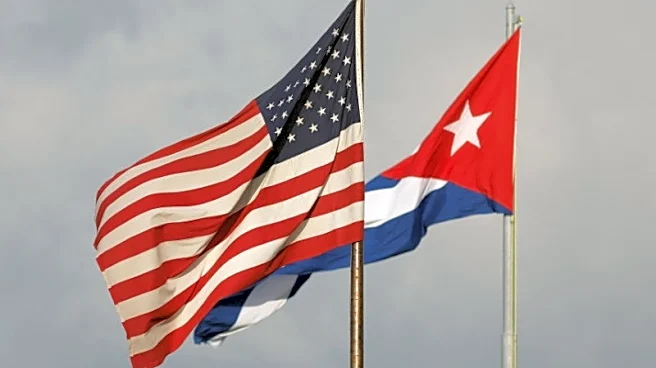
The potential indictment of Raul Castro is significant as it could further impact U.S.-Cuba relations, which have been historically tense. The incident in 1996 led to the strengthening of the U.S. embargo against Cuba, a policy that remains in place today. An indictment could reignite debates over the U.S.'s approach to Cuba, especially under the current administration, which has intensified sanctions. For Cuban-Americans and those advocating for justice, this development represents a long-awaited step towards accountability. However, it also risks escalating tensions between the two nations, potentially affecting diplomatic and economic interactions.
What's Next?
If an indictment is announced, it could lead to legal proceedings against Raul Castro, although the practical implications of prosecuting a former foreign leader remain complex. The U.S. Justice Department's decision will likely prompt reactions from Cuban-American communities, human rights organizations, and political leaders. The Cuban government may respond defensively, citing national security concerns as justification for the 1996 actions. The situation could also influence U.S. foreign policy discussions, particularly regarding sanctions and diplomatic relations with Cuba.
Beyond the Headlines
The potential indictment of Raul Castro highlights ongoing tensions between the U.S. and Cuba, rooted in Cold War-era policies and ideological differences. It raises questions about the effectiveness and morality of longstanding sanctions and the broader implications for international law and justice. The case also underscores the challenges of addressing historical grievances while navigating contemporary geopolitical realities. For many Cuban exiles, this development is a reminder of the unresolved issues stemming from decades of political conflict and human rights abuses.