



What's Happening?
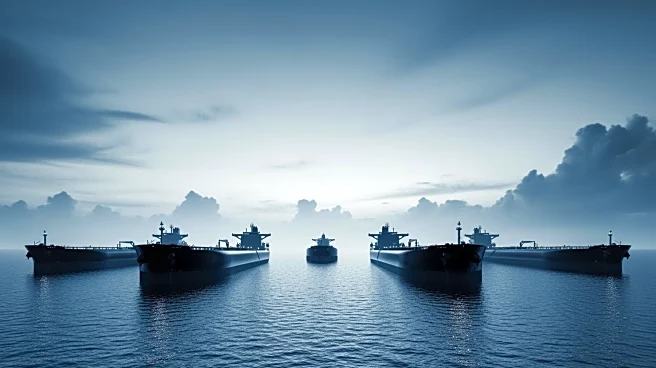
The Trump administration has intensified its economic pressure on Iran by sanctioning 29 shadow fleet tankers. These tankers are reportedly used by Iran to export petroleum, circumventing existing sanctions. The U.S. Treasury's Office of Foreign Assets
Control (OFAC) has identified these vessels as part of Iran's strategy to fund its military and weapons programs. The sanctions also target Egyptian businessman Hatem Elsaid Farid Ibrahim Sakr, who is linked to several of these tankers. The move is part of a broader campaign to limit Iran's revenue from oil exports, which are also being sent to Venezuela to support its oil production.
Why It's Important?
The sanctions are a significant step in the U.S.'s ongoing efforts to curb Iran's nuclear ambitions and military funding. By targeting the shadow fleet, the U.S. aims to disrupt Iran's ability to generate revenue from oil exports, which is crucial for its economy and military operations. This action also affects Venezuela, which relies on Iranian oil to sustain its energy needs. The sanctions could lead to increased tensions between the U.S. and these nations, potentially impacting global oil markets and diplomatic relations.
What's Next?
The sanctions are likely to strain Iran's economy further, potentially leading to increased domestic pressure on its government. The U.S. may continue to monitor and sanction additional vessels and entities involved in circumventing sanctions. The international community, particularly countries involved in oil trade with Iran and Venezuela, may face diplomatic challenges as they navigate these sanctions. The situation could also influence future negotiations regarding Iran's nuclear program.